THE ADVENTURE COLLECTIVE® · Independent discovery and booking for outdoor travel

Walk from the cathedral into Cologne’s brewhouse backrooms with a local guide and learn why Kölsch is central to city life. This two-hour English tour visits historic cellars, the oldest brewhouse, and ends with a rare hoppy pour.
Walk from the cathedral into Cologne’s brewhouse backrooms with a local guide and learn why Kölsch is central to city life. This two-hour English tour visits historic cellars, the oldest brewhouse, and ends with a rare hoppy pour.
You step out of the shadow of the cathedral into a corridor of beer-soaked stone and low light, the air carrying hops and smoke like a dare. The guide—a local with quick humor and an encyclopedic memory for legends—leads the group through narrow alleys toward brewhouses whose doors have opened for centuries.
Verified experiences and guided adventures in the surrounding area.
Operated by Cologne Guide · Cologne, North Rhine-Westphalia
You step out of the shadow of the cathedral into a corridor of beer-soaked stone and low light, the air carrying hops and smoke like a dare. The guide—a local with quick humor and an encyclopedic memory for legends—leads the group through narrow alleys toward brewhouses whose doors have opened for centuries.
Cologne’s brewhouse culture grew around taverns called "Brauhaus" where Kölsch, a top-fermented pale ale, became a city symbol in the 19th and 20th centuries. Geologically the region sits on the Rhine’s floodplain; the cellars beneath many brewhouses tap stable, cool conditions that historically kept beer fresh before refrigeration.
On a standard two-hour walk you’ll visit four stops (about 30 minutes each): an orientation and rules primer, the oldest brewhouse basement, the city’s oldest operating brewhouse, and a final stop to sample an unusually hoppy brew. Along the way you’ll hear why Kölsch is served in small cylindrical glasses and how local humor and politics shaped pub life.
Practical guidance: tours are generally flat walking on paved streets—comfortable shoes suffice. Tickets are mobile-friendly and tours run in English; there’s no minimum group size and tours aren’t canceled last minute for low numbers. The route can be adapted for wheelchair users but not every brewery is barrier-free. Bring ID if you plan to drink, carry a few euros for extras, and respect house rules (and closing times). Cancel at least 24 hours ahead for a full refund. Expect convivial crowds, quick pours, and stories as much as beer—a cultural primer more than a brewery production tour.
easy.
2 hours.
Basic walking fitness; suitable for most people who can stand and walk for short periods.
Yes—non-drinkers can join to learn about brewhouse culture; minors may attend but cannot be served alcohol and should sit with guardians.
The tour company can adapt the route for wheelchair users, but not every brewhouse has barrier-free access—notify them when booking.
The standard tour includes four ~30-minute stops covering cellar history, the oldest brewhouse, and a rare hoppy Kölsch sample at the final stop.
Cancel at least 24 hours before departure for a full refund; cancellations within 24 hours are not refundable.
Kölsch emerged as a distinct beer style in Cologne in the 19th century and brewhouses became social hubs that shaped the city’s humor and political discourse.
Brewhouses here often participate in local waste reduction and glass recycling programs—respect recycling bins and avoid leaving glasses outside establishments.
Cologne Guide operates guided outdoor trips and adventures with an emphasis on safety, stewardship, and memorable experiences.
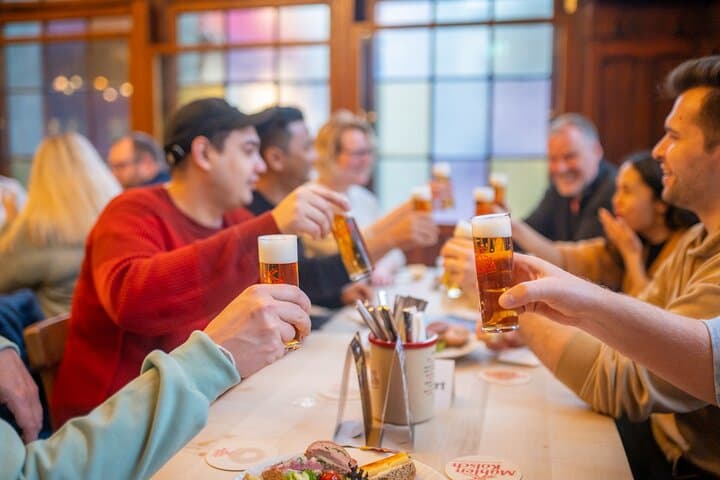
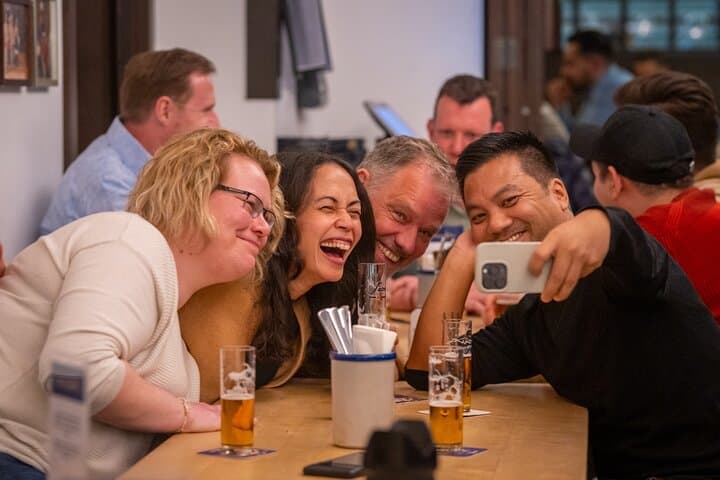
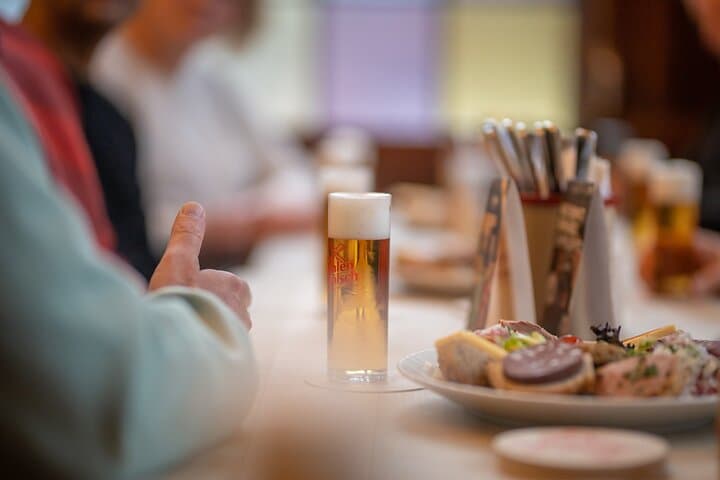
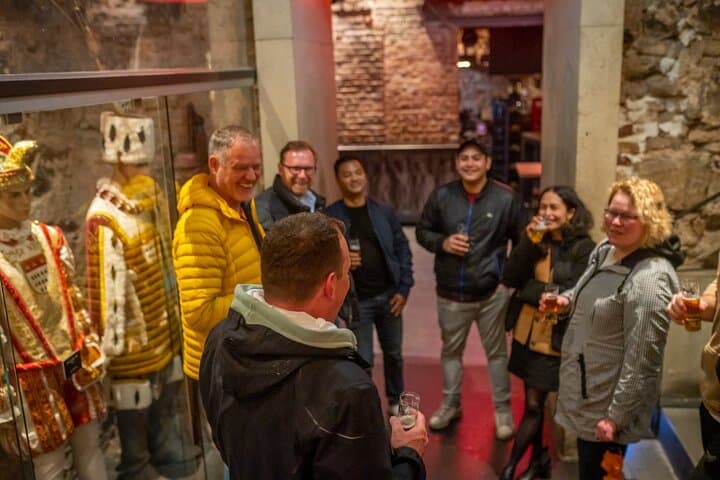
You step out of the shadow of the cathedral into a corridor of beer-soaked stone and low light, the air carrying hops and smoke like a dare. The guide—a local with quick humor and an encyclopedic memory for legends—leads the group through narrow alleys toward brewhouses whose doors have opened for centuries.
You step out of the shadow of the cathedral into a corridor of beer-soaked stone and low light, the air carrying hops and smoke like a dare. The guide—a local with quick humor and an encyclopedic memory for legends—leads the group through narrow alleys toward brewhouses whose doors have opened for centuries.
Cologne’s brewhouse culture grew around taverns called "Brauhaus" where Kölsch, a top-fermented pale ale, became a city symbol in the 19th and 20th centuries. Geologically the region sits on the Rhine’s floodplain; the cellars beneath many brewhouses tap stable, cool conditions that historically kept beer fresh before refrigeration.
On a standard two-hour walk you’ll visit four stops (about 30 minutes each): an orientation and rules primer, the oldest brewhouse basement, the city’s oldest operating brewhouse, and a final stop to sample an unusually hoppy brew. Along the way you’ll hear why Kölsch is served in small cylindrical glasses and how local humor and politics shaped pub life.
Practical guidance: tours are generally flat walking on paved streets—comfortable shoes suffice. Tickets are mobile-friendly and tours run in English; there’s no minimum group size and tours aren’t canceled last minute for low numbers. The route can be adapted for wheelchair users but not every brewery is barrier-free. Bring ID if you plan to drink, carry a few euros for extras, and respect house rules (and closing times). Cancel at least 24 hours ahead for a full refund. Expect convivial crowds, quick pours, and stories as much as beer—a cultural primer more than a brewery production tour.