THE ADVENTURE COLLECTIVE® · Independent discovery and booking for outdoor travel

Learn to make cold process soap in a two-hour Newark workshop that covers lye handling, recipe formulation, and customizing scent and color. You’ll mix, mold, and take home a soap loaf that requires 4–6 weeks of curing.
Learn to make cold process soap in a two-hour Newark workshop that covers lye handling, recipe formulation, and customizing scent and color. You’ll mix, mold, and take home a soap loaf that requires 4–6 weeks of curing.
You step into a bright studio in Newark, the metallic clatter of the city receding as the scent of olive oil and citrus hangs in the air. Long tables are laid out with stainless steel bowls, scales, and glass beakers; a tutor walks through the room with a measured confidence, explaining lye and oil like an honest chemistry demonstration rather than mysticism.
Verified experiences and guided adventures in the surrounding area.
Operated by The Eclectic Chic Boutique · Newark, New Jersey
You step into a bright studio in Newark, the metallic clatter of the city receding as the scent of olive oil and citrus hangs in the air. Long tables are laid out with stainless steel bowls, scales, and glass beakers; a tutor walks through the room with a measured confidence, explaining lye and oil like an honest chemistry demonstration rather than mysticism.
Cold process soap making is simple chemistry and careful timing. The class takes you through measuring oils (shea, coconut, olive), preparing lye solution, bringing oils and lye to trace, and customizing color and fragrance. Historically, soap has been made from rendered fats and alkali for millennia; Newark itself grew during the 19th and early 20th centuries as an industrial hub where small factories transformed raw materials into everyday products—this workshop is a modern, hands-on echo of that craft tradition. The space reflects the city’s practical creativity: locally minded instructors, accessible transit, and a focus on plant-based oils.
Practically, expect two hours of supervised mixing and molding; you’ll leave with a raw soap loaf to take home and cure for 4–6 weeks. Safety is emphasized: gloves, goggles, and ventilation matter because lye is caustic. Not recommended for pregnant participants; minimum age 16. Materials and tools are provided, and instructors cover ingredient sourcing and how to scale recipes at home. Bring closed-toe shoes, long sleeves, and a notebook. Whether you want a new hobby or a practical gift, this class teaches repeatable skills and gives you a tactile connection to how everyday essentials are made.
easy.
2 hours.
No special fitness required; light standing and hand use is needed.
No—this class is designed for beginners and covers the chemistry, measuring, and safety basics.
Yes—oils, lye, colorants, fragrance, molds, and protective gear are provided in the class price.
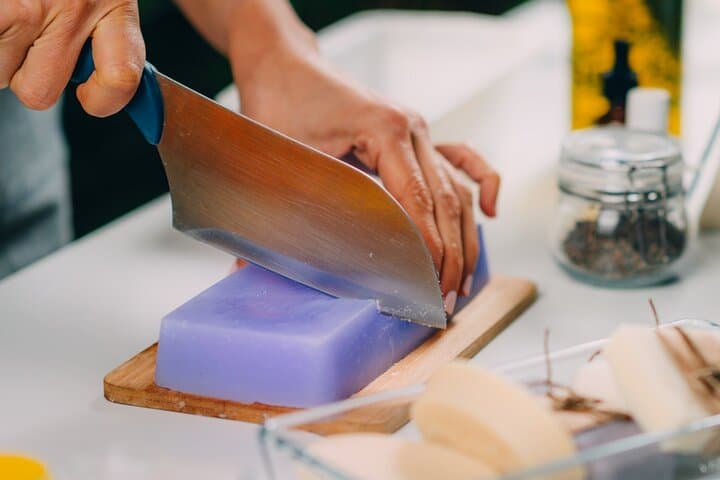
Cold process soap requires 4–6 weeks of curing to fully harden and mellow; instructors explain storage and cutting techniques.
This class is not recommended for pregnant travelers due to lye handling and fragrance exposure; consult the operator for alternatives.
Newark’s 19th-century growth as an industrial and manufacturing center created a local culture of small-scale production; modern craft workshops nod to that hands-on past.
Choose recipes that use sustainably sourced oils and minimal synthetic fragrances; handmade soap reduces plastic waste compared with commercial bottled products.
The Eclectic Chic Boutique operates guided outdoor trips and adventures with an emphasis on safety, stewardship, and memorable experiences.
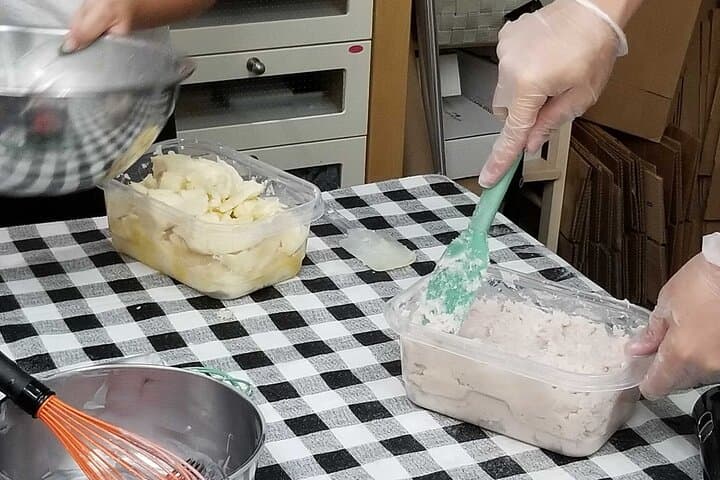
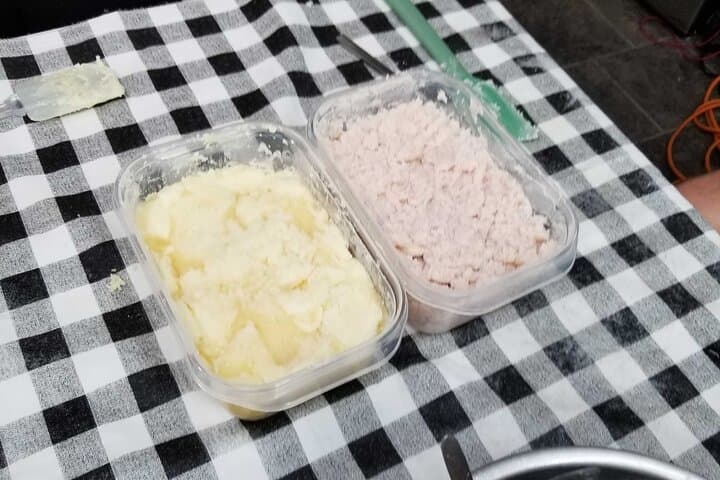
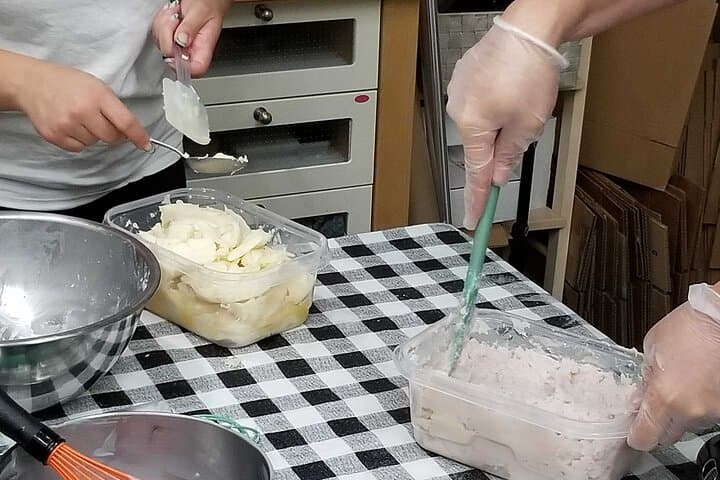
You step into a bright studio in Newark, the metallic clatter of the city receding as the scent of olive oil and citrus hangs in the air. Long tables are laid out with stainless steel bowls, scales, and glass beakers; a tutor walks through the room with a measured confidence, explaining lye and oil like an honest chemistry demonstration rather than mysticism.
You step into a bright studio in Newark, the metallic clatter of the city receding as the scent of olive oil and citrus hangs in the air. Long tables are laid out with stainless steel bowls, scales, and glass beakers; a tutor walks through the room with a measured confidence, explaining lye and oil like an honest chemistry demonstration rather than mysticism.
Cold process soap making is simple chemistry and careful timing. The class takes you through measuring oils (shea, coconut, olive), preparing lye solution, bringing oils and lye to trace, and customizing color and fragrance. Historically, soap has been made from rendered fats and alkali for millennia; Newark itself grew during the 19th and early 20th centuries as an industrial hub where small factories transformed raw materials into everyday products—this workshop is a modern, hands-on echo of that craft tradition. The space reflects the city’s practical creativity: locally minded instructors, accessible transit, and a focus on plant-based oils.
Practically, expect two hours of supervised mixing and molding; you’ll leave with a raw soap loaf to take home and cure for 4–6 weeks. Safety is emphasized: gloves, goggles, and ventilation matter because lye is caustic. Not recommended for pregnant participants; minimum age 16. Materials and tools are provided, and instructors cover ingredient sourcing and how to scale recipes at home. Bring closed-toe shoes, long sleeves, and a notebook. Whether you want a new hobby or a practical gift, this class teaches repeatable skills and gives you a tactile connection to how everyday essentials are made.