THE ADVENTURE COLLECTIVE® · Independent discovery and booking for outdoor travel

Spend a full day from Arequipa into the Colca Valley to watch condors at Cruz del Cóndor, explore pre-Inca terraces, and see vicuñas on the high pampas. This long day focuses on viewpoints, short walks, and cultural stops—ideal for travelers wanting big scenery without technical hiking.
Spend a full day from Arequipa into the Colca Valley to watch condors at Cruz del Cóndor, explore pre-Inca terraces, and see vicuñas on the high pampas. This long day focuses on viewpoints, short walks, and cultural stops—ideal for travelers wanting big scenery without technical hiking.
Dawn cracks over the white city of Arequipa and a long ribbon of road climbs into high puna as the van pushes toward the Colca Valley. By mid-morning the canyon yawns open: sheer walls cut into volcanic rock, terraced slopes clinging like staircases, and the Mirador de la Cruz del Cóndor where the condor often circles against a sky so thin it seems to pull at your breath.
Verified experiences and guided adventures in the surrounding area.
Operated by camino peru · Chivay, Arequipa
Dawn cracks over the white city of Arequipa and a long ribbon of road climbs into high puna as the van pushes toward the Colca Valley. By mid-morning the canyon yawns open: sheer walls cut into volcanic rock, terraced slopes clinging like staircases, and the Mirador de la Cruz del Cóndor where the condor often circles against a sky so thin it seems to pull at your breath.
The valley is geological work: layers of lava and ash from nearby volcanoes sculpted by millennia of river incision. Human hands answer that geology — pre-Inca and Inca terraces snake across slopes, and small colonial churches in Pinchollo, Maca and Yanque mark centuries of Andean life. Wet peat bogs at higher viewpoints hold wading birds; the pampas near Aguada Blanca and Salinas protect shy camelids like vicuñas.
Expect long drives between viewpoints, short walks at lookouts, and a few cultural stops where churches and local markets appear. Altitude is the constant character here — Mirador de los Volcanes sits near 4,910 m — so pace yourself, sip slowly, and let the landscape set the tempo. Guides point out terrace construction, local flora and birdlife, and arrange a boxed breakfast and transport.
Practical notes: bring layers for strong sun and sudden wind, water and snacks, and sturdy walking shoes for uneven lookout trails. Morning departures are early (around 03:00), with a full return to Arequipa late afternoon. If you’re curious about Andean geology, endemic wildlife and traditional highland towns, a full-day Colca run is efficient, sensory, and demanding in altitude rather than technical skill.
moderate.
14 hours.
Suitable for travelers in average fitness who can handle long vehicle time and short, easy walks at altitude; not strenuous but requires acclimatization.
The tour is a full-day experience lasting about 14 hours and typically departs very early (around 03:00) from Arequipa to maximize condor viewing at morning thermals.
Condors are frequently seen at Cruz del Cóndor, especially in the morning; vicuñas are common on the pampas but sightings cannot be guaranteed since wildlife is wild.
The itinerary involves long vehicle travel and short walks at viewpoints; it is broadly suitable for people with limited mobility but may be uncomfortable for those who cannot handle steps or uneven terrain.
For a day trip from Arequipa a licensed guide and transport are standard and most lookout points are accessible without special permits, though park regulations apply in protected areas like Aguada Blanca and Salinas.
The valley preserves pre-Inca and Inca terrace agriculture layered beneath Spanish colonial towns and churches that date to the 16th–18th centuries.
High puna ecosystems are fragile—stay on trails, avoid disturbing wildlife, and support local operators who follow reserve guidelines.
camino peru operates guided outdoor trips and adventures with an emphasis on safety, stewardship, and memorable experiences.
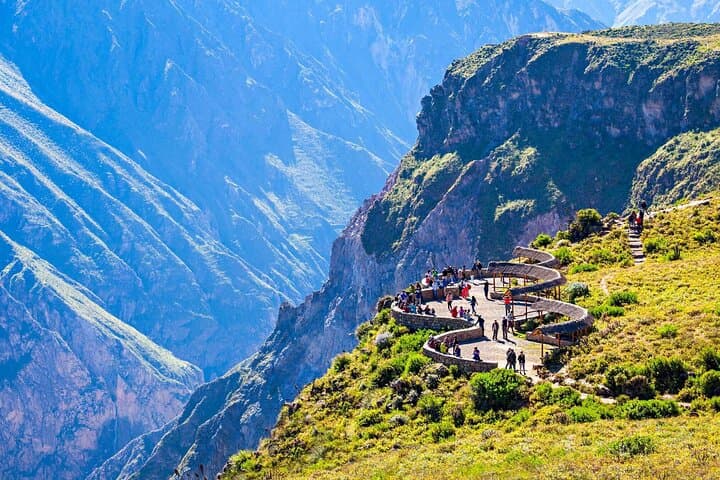
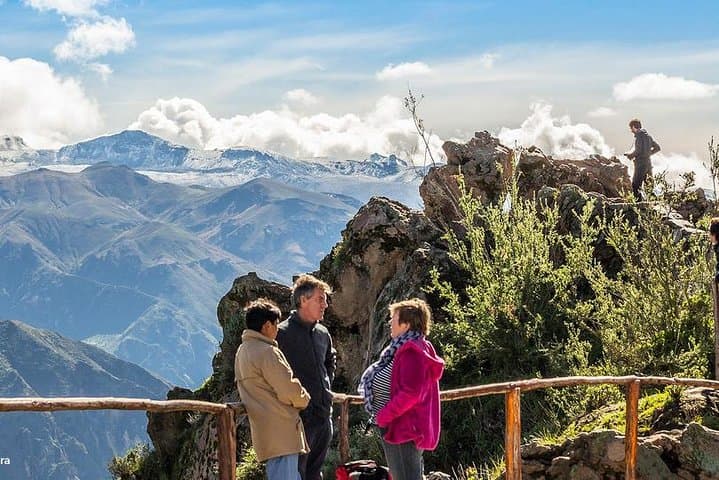
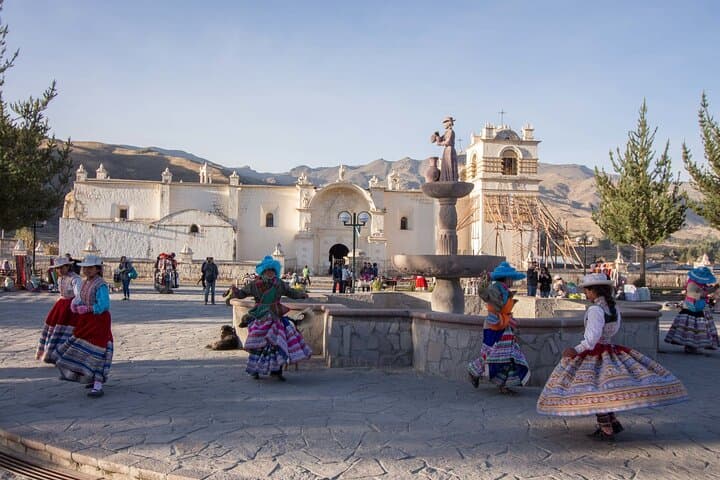
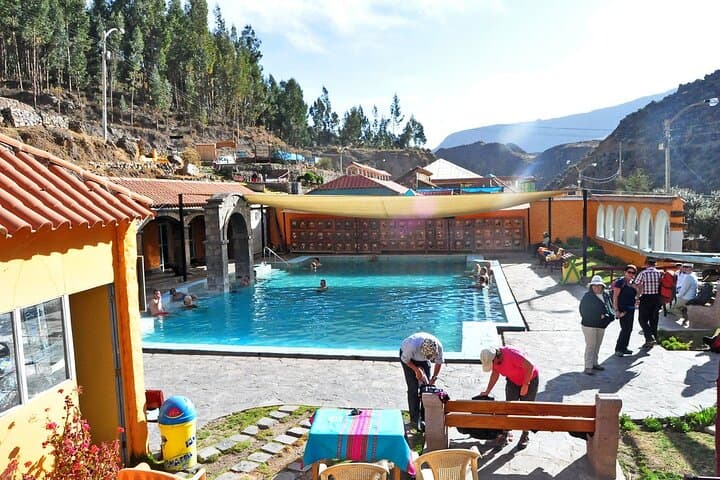
Dawn cracks over the white city of Arequipa and a long ribbon of road climbs into high puna as the van pushes toward the Colca Valley. By mid-morning the canyon yawns open: sheer walls cut into volcanic rock, terraced slopes clinging like staircases, and the Mirador de la Cruz del Cóndor where the condor often circles against a sky so thin it seems to pull at your breath.
Dawn cracks over the white city of Arequipa and a long ribbon of road climbs into high puna as the van pushes toward the Colca Valley. By mid-morning the canyon yawns open: sheer walls cut into volcanic rock, terraced slopes clinging like staircases, and the Mirador de la Cruz del Cóndor where the condor often circles against a sky so thin it seems to pull at your breath.
The valley is geological work: layers of lava and ash from nearby volcanoes sculpted by millennia of river incision. Human hands answer that geology — pre-Inca and Inca terraces snake across slopes, and small colonial churches in Pinchollo, Maca and Yanque mark centuries of Andean life. Wet peat bogs at higher viewpoints hold wading birds; the pampas near Aguada Blanca and Salinas protect shy camelids like vicuñas.
Expect long drives between viewpoints, short walks at lookouts, and a few cultural stops where churches and local markets appear. Altitude is the constant character here — Mirador de los Volcanes sits near 4,910 m — so pace yourself, sip slowly, and let the landscape set the tempo. Guides point out terrace construction, local flora and birdlife, and arrange a boxed breakfast and transport.
Practical notes: bring layers for strong sun and sudden wind, water and snacks, and sturdy walking shoes for uneven lookout trails. Morning departures are early (around 03:00), with a full return to Arequipa late afternoon. If you’re curious about Andean geology, endemic wildlife and traditional highland towns, a full-day Colca run is efficient, sensory, and demanding in altitude rather than technical skill.