THE ADVENTURE COLLECTIVE® · Independent discovery and booking for outdoor travel

A three-day trek from Cabanaconde to the Sangalle Oasis, this route combines dramatic canyon walls, condor viewing at Cruz del Cóndor and nights in village lodges. Solid fitness and altitude preparation yield the best experience.
A three-day trek from Cabanaconde to the Sangalle Oasis, this route combines dramatic canyon walls, condor viewing at Cruz del Cóndor and nights in village lodges. Solid fitness and altitude preparation yield the best experience.
You step out of the minivan before dawn and the highland air seizes you — thin, cold, and clarifying. The road to Cabanaconde winds past terraced slopes; by sunrise you’re on the Cruz del Cóndor ridge watching condors thread thermals with effortless wings. Over the next three days the trail drops and climbs through the canyon’s strata, from scrubby puna rim to the lush palms and the river’s chatter in Sangalle Oasis.
Verified experiences and guided adventures in the surrounding area.
Operated by Grand America · Cabanaconde, Arequipa Region
You step out of the minivan before dawn and the highland air seizes you — thin, cold, and clarifying. The road to Cabanaconde winds past terraced slopes; by sunrise you’re on the Cruz del Cóndor ridge watching condors thread thermals with effortless wings. Over the next three days the trail drops and climbs through the canyon’s strata, from scrubby puna rim to the lush palms and the river’s chatter in Sangalle Oasis.
Geology here is blunt: volcanic flows and tectonic uplift carved a canyon that plunges over 3,000 metres in places, exposing layered ash and lava. Human history sits alongside those rocks — Collagua and Cabana communities farmed terraces for centuries and still cultivate maize and quinoa in these steep fields. Local villages like Chivay and Cabanaconde keep flamenco-influenced dances, Andean textiles and midday market rhythms that feel immediate and practical.
Expect steep descents and ascents: long switchbacks, loose scree on some stretches, stone steps and river crossings. Days are dominated by elevation change rather than mileage; your legs will remember the zigzags. Hydration, sun protection and a steady, conservative pace are the best tools against altitude and fatigue. Nights are simple guesthouses or eco-lodges; Sangalle offers palms, a pool and shade after the river walk.
Practical tip: plan for dry-season travel (May–October) for clearer trails and condor sightings, and build altitude acclimatization in Arequipa or Chivay beforehand. Read the trail, respect local schedules, and let the canyon’s scale set your tempo.
moderate.
3 days (approx. 72–74 hours).
Moderate fitness required: regular walkers who can handle sustained elevation change and stair-like descents/ascents.
The descent into the canyon is steep but well-defined; expect long switchbacks and loose sections. The ascent from Sangalle to Cabanaconde is physically demanding and takes about 2–3 hours at a steady pace.
Early morning at Cruz del Cóndor during the dry season (May–October) offers the best condor viewing as thermals form and birds take advantage of rising air.
Yes — the rim sits above 3,500 m in places. Spend a day or two in Arequipa or Chivay to reduce risk of altitude sickness and drink water, rest, and avoid heavy exertion on arrival.
Most multi-day packages include meals and national park fees; confirm specifics with your operator but expect breakfasts, lunches and at least one dinner and park entrance covered as listed.
The canyon was shaped by volcanic uplift and has long been managed by Collagua and Cabana farming systems—stone terraces here date back centuries and remain in use.
Trails and oasis vegetation are fragile; stick to established paths, avoid leaving waste, and support local guides and small village accommodations to keep trekking sustainable.
Grand America operates guided outdoor trips and adventures with an emphasis on safety, stewardship, and memorable experiences.
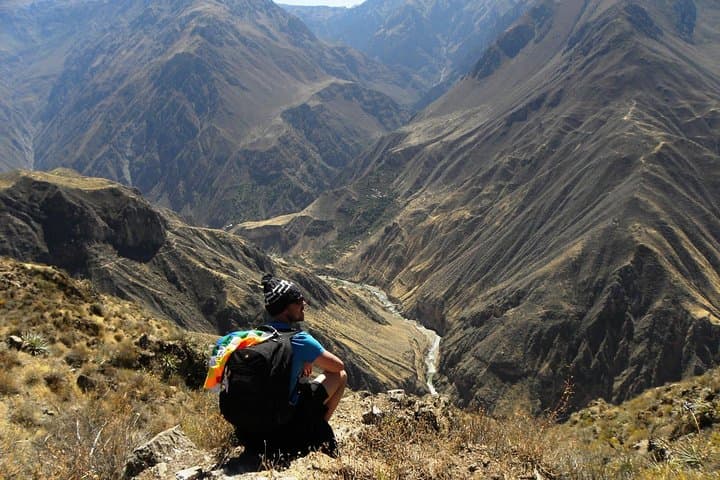


You step out of the minivan before dawn and the highland air seizes you — thin, cold, and clarifying. The road to Cabanaconde winds past terraced slopes; by sunrise you’re on the Cruz del Cóndor ridge watching condors thread thermals with effortless wings. Over the next three days the trail drops and climbs through the canyon’s strata, from scrubby puna rim to the lush palms and the river’s chatter in Sangalle Oasis.
You step out of the minivan before dawn and the highland air seizes you — thin, cold, and clarifying. The road to Cabanaconde winds past terraced slopes; by sunrise you’re on the Cruz del Cóndor ridge watching condors thread thermals with effortless wings. Over the next three days the trail drops and climbs through the canyon’s strata, from scrubby puna rim to the lush palms and the river’s chatter in Sangalle Oasis.
Geology here is blunt: volcanic flows and tectonic uplift carved a canyon that plunges over 3,000 metres in places, exposing layered ash and lava. Human history sits alongside those rocks — Collagua and Cabana communities farmed terraces for centuries and still cultivate maize and quinoa in these steep fields. Local villages like Chivay and Cabanaconde keep flamenco-influenced dances, Andean textiles and midday market rhythms that feel immediate and practical.
Expect steep descents and ascents: long switchbacks, loose scree on some stretches, stone steps and river crossings. Days are dominated by elevation change rather than mileage; your legs will remember the zigzags. Hydration, sun protection and a steady, conservative pace are the best tools against altitude and fatigue. Nights are simple guesthouses or eco-lodges; Sangalle offers palms, a pool and shade after the river walk.
Practical tip: plan for dry-season travel (May–October) for clearer trails and condor sightings, and build altitude acclimatization in Arequipa or Chivay beforehand. Read the trail, respect local schedules, and let the canyon’s scale set your tempo.