THE ADVENTURE COLLECTIVE® · Independent discovery and booking for outdoor travel

Spend a long day leaving Arequipa to reach Colca Canyon’s cliffs, watch Andean condors at the Cruz del Cóndor viewpoint, explore colonial towns, and relax in local hot springs. This one-day tour compresses geology, culture and wildlife viewing into a single high-altitude adventure.
Spend a long day leaving Arequipa to reach Colca Canyon’s cliffs, watch Andean condors at the Cruz del Cóndor viewpoint, explore colonial towns, and relax in local hot springs. This one-day tour compresses geology, culture and wildlife viewing into a single high-altitude adventure.
Dawn on the high plateau feels clean and sharp: the tourist bus slips out of Arequipa in the deep blue predawn, headlights cutting across puna grasslands as volcanoes stand watch. By the time the canyon opens into view, the light has already made cliffs readable—layered strata, terraces and a river that dares you to follow it down. This one-day itinerary condenses the Colca Canyon’s essentials: an early drive to Chivay, sunrise at the Mirador de la Cruz del Cóndor to watch Andean condors wheel, short visits to colonial towns like Yanque and Maca, and a late afternoon soak in local hot springs.
Verified experiences and guided adventures in the surrounding area.
Operated by TARVOS PERU TOURS · Chivay, Arequipa
Dawn on the high plateau feels clean and sharp: the tourist bus slips out of Arequipa in the deep blue predawn, headlights cutting across puna grasslands as volcanoes stand watch. By the time the canyon opens into view, the light has already made cliffs readable—layered strata, terraces and a river that dares you to follow it down. This one-day itinerary condenses the Colca Canyon’s essentials: an early drive to Chivay, sunrise at the Mirador de la Cruz del Cóndor to watch Andean condors wheel, short visits to colonial towns like Yanque and Maca, and a late afternoon soak in local hot springs.
Geologically, Colca is carved into volcanic ignimbrite and layered sediment; the canyon cuts far deeper than the surrounding valleys where pre-Inca terracing still shapes the slopes. Culturally, villages retain Aymara and Quechua traditions visible in churches, markets and agricultural terraces. Guides often explain the interplay of irrigation canals, llama grazing and seasonal festivals that keep the valley alive.
Practical notes: expect a long day (12–13 hours) and significant altitude change—bring layers for cold mornings and strong sun by midday. Binoculars improve condor viewing; the birds are most active in the cooler hours when thermals sweep the canyon. Time your visit for clear skies and allow flexibility: wildlife sightings aren’t guaranteed, and roads can be slow.
For travelers who want a concentrated introduction to Colca, this day tour delivers landscape, culture and a restorative hot spring dip—an efficient, high-value way to see one of Peru’s most dramatic canyons.
moderate.
12–13 hours.
Moderate fitness recommended—able to sit for long drives and manage short walks at altitude.
Very possible at Cruz del Cóndor during morning thermals, but sightings depend on weather and season—bring binoculars for the best chance.
The tour involves short, mostly flat viewpoint walks; it may be challenging for those with significant mobility limitations due to uneven surfaces and altitude.
Some travelers experience mild symptoms; acclimatize in Arequipa, hydrate, avoid alcohol before the trip and consider medication if you have a history of altitude sickness.
This itinerary includes breakfast, an Andean buffet lunch and guided visits; confirm with the operator whether hot spring entry fees are covered.
The Colca Valley preserves terraces and irrigation systems developed by pre-Inca peoples and later adapted during colonial times for pastoral agriculture.
The puna ecosystem is fragile—stay on trails, avoid disturbing wildlife and support local guides and community-run enterprises to keep tourism sustainable.
TARVOS PERU TOURS operates guided outdoor trips and adventures with an emphasis on safety, stewardship, and memorable experiences.
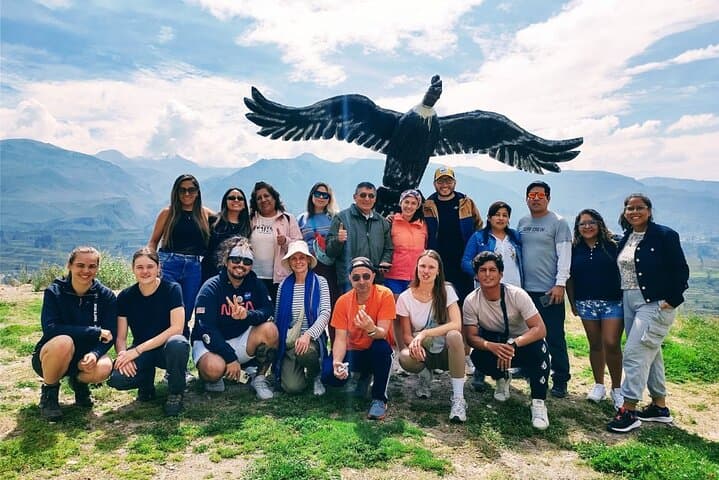
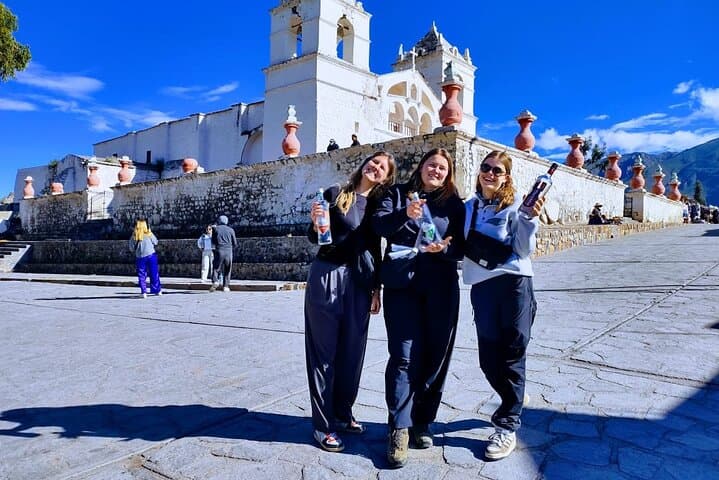
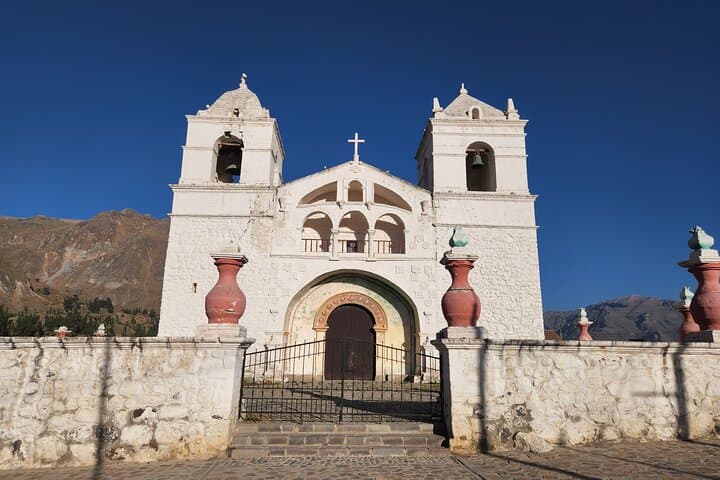
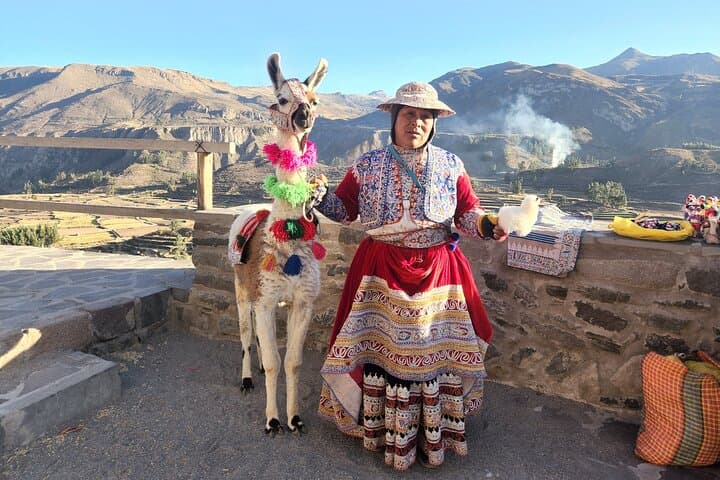
Dawn on the high plateau feels clean and sharp: the tourist bus slips out of Arequipa in the deep blue predawn, headlights cutting across puna grasslands as volcanoes stand watch. By the time the canyon opens into view, the light has already made cliffs readable—layered strata, terraces and a river that dares you to follow it down. This one-day itinerary condenses the Colca Canyon’s essentials: an early drive to Chivay, sunrise at the Mirador de la Cruz del Cóndor to watch Andean condors wheel, short visits to colonial towns like Yanque and Maca, and a late afternoon soak in local hot springs.
Dawn on the high plateau feels clean and sharp: the tourist bus slips out of Arequipa in the deep blue predawn, headlights cutting across puna grasslands as volcanoes stand watch. By the time the canyon opens into view, the light has already made cliffs readable—layered strata, terraces and a river that dares you to follow it down. This one-day itinerary condenses the Colca Canyon’s essentials: an early drive to Chivay, sunrise at the Mirador de la Cruz del Cóndor to watch Andean condors wheel, short visits to colonial towns like Yanque and Maca, and a late afternoon soak in local hot springs.
Geologically, Colca is carved into volcanic ignimbrite and layered sediment; the canyon cuts far deeper than the surrounding valleys where pre-Inca terracing still shapes the slopes. Culturally, villages retain Aymara and Quechua traditions visible in churches, markets and agricultural terraces. Guides often explain the interplay of irrigation canals, llama grazing and seasonal festivals that keep the valley alive.
Practical notes: expect a long day (12–13 hours) and significant altitude change—bring layers for cold mornings and strong sun by midday. Binoculars improve condor viewing; the birds are most active in the cooler hours when thermals sweep the canyon. Time your visit for clear skies and allow flexibility: wildlife sightings aren’t guaranteed, and roads can be slow.
For travelers who want a concentrated introduction to Colca, this day tour delivers landscape, culture and a restorative hot spring dip—an efficient, high-value way to see one of Peru’s most dramatic canyons.