THE ADVENTURE COLLECTIVE® · Independent discovery and booking for outdoor travel

A long, early-start day trip from Arequipa that delivers sweeping Andean scenery, pre-Inca terraces, thermal pools and the chance to see Andean condors riding canyon thermals. Ideal for travelers who can handle high altitude and a full-day schedule.
A long, early-start day trip from Arequipa that delivers sweeping Andean scenery, pre-Inca terraces, thermal pools and the chance to see Andean condors riding canyon thermals. Ideal for travelers who can handle high altitude and a full-day schedule.
Before dawn the van pulls away from Arequipa and the road climbs into a sky that hardens from navy to cold blue. By the time you reach Patapampa, at about 4,900 m, volcanoes cut the horizon and the air tastes thin; the landscape itself seems to hold its breath. Later, at Cruz del Cóndor, the canyon unfurls—a raw cut in the Andes where condors wheel on thermal currents that dare you to look up.
Verified experiences and guided adventures in the surrounding area.
Operated by Puriy Perú Expeditions · Chivay, Arequipa
Before dawn the van pulls away from Arequipa and the road climbs into a sky that hardens from navy to cold blue. By the time you reach Patapampa, at about 4,900 m, volcanoes cut the horizon and the air tastes thin; the landscape itself seems to hold its breath. Later, at Cruz del Cóndor, the canyon unfurls—a raw cut in the Andes where condors wheel on thermal currents that dare you to look up.
This is Colca: carved by uplift and glacial action over millions of years, shaped into terraces first reinforced by pre-Inca farmers and later reshaped under colonial influence. Towns like Yanque and Maca preserve highland customs—the Wititi dance still performed at festivals—and churches rebuilt in the 17th century mark the colonial era. Geologically the canyon is a study in exposed volcanic layers and deep incision; culturally it’s a living pastoral landscape where llamas, alpacas and vicuñas graze the puna.
Expect an active, long day—pickup around 3:00 a.m., many short stops, a buffet lunch, and a chance to soak in natural hot springs. Wildlife opportunities center on the Andean condor at sunrise; wetlands and bofedales attract waterfowl and migratory birds. Altitude is the main challenge: hydration, slow breathing and attention to symptoms matter more than fitness here.
Practical tips: wear layered clothing for wide temperature swings, bring cash for entrance fees and markets, and give yourself time to acclimatize in Arequipa before departure. The route is mostly paved with short walks; the reward is a compact tour of one of the Andes’ most dramatic canyons.
moderate.
15–16 hours.
Suitable for travelers in average physical condition who can tolerate long days and high altitude; little hiking required but expect short walks at viewpoints.
Pickup is typically around 3:00 a.m., with return to Arequipa in the early evening (around 5:30 p.m.), making this a 15–16 hour day.
Condors are commonly seen at Cruz del Cóndor, especially in the morning thermals, but sightings are never guaranteed—weather and wind conditions affect flight activity.
The itinerary includes a stop at the hot springs, but entrance is usually paid locally (around S/15) and is not always included in the tour price.
This tour is not recommended for travelers with serious spinal injuries, poor cardiovascular health, or pregnancy due to long travel hours and high altitude.
The Colca Valley contains pre-Inca agricultural terraces that demonstrate ancient water management and were later integrated into the colonial landscape with churches and plazas.
The puna and bofedales are fragile ecosystems—stick to paths, avoid disturbing wildlife and support local guides and community-run services to help preserve the valley.
Puriy Perú Expeditions operates guided outdoor trips and adventures with an emphasis on safety, stewardship, and memorable experiences.

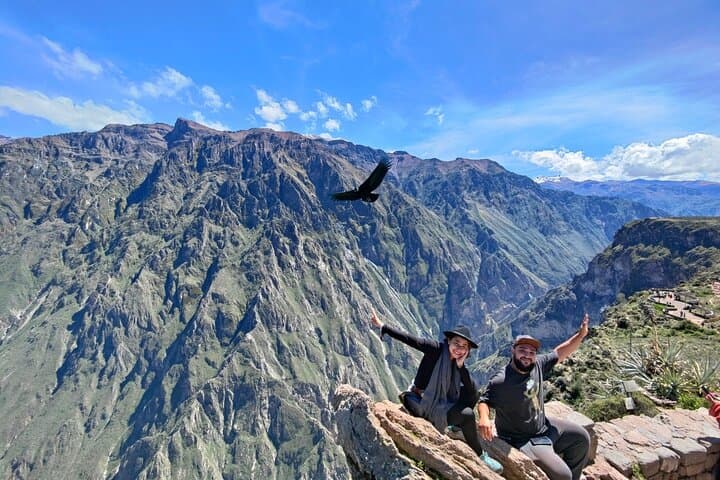
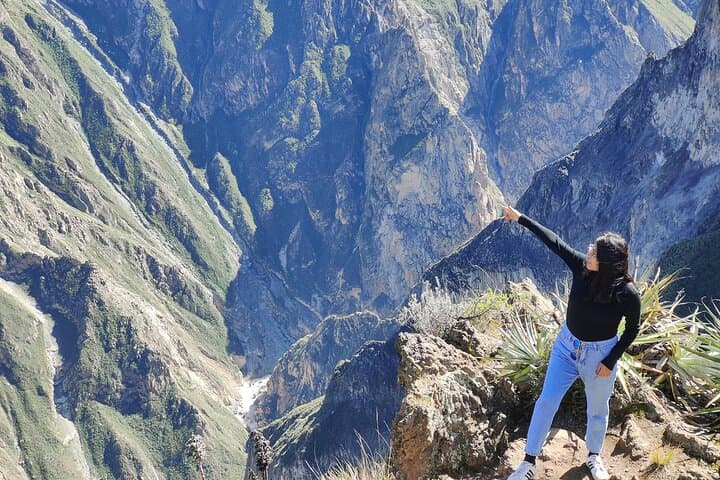
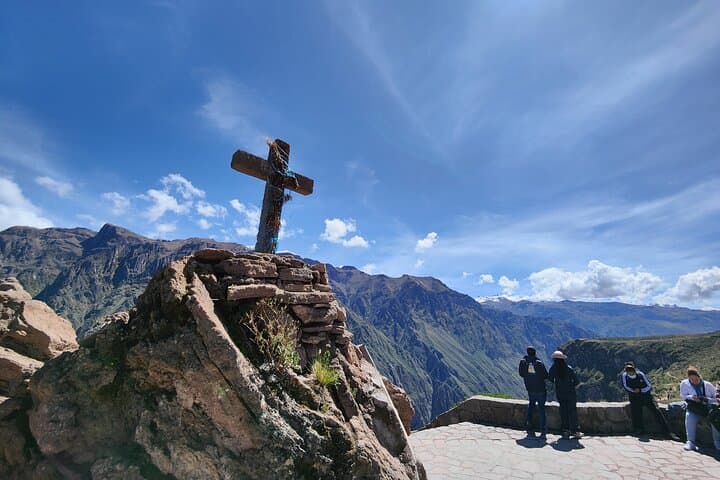
Before dawn the van pulls away from Arequipa and the road climbs into a sky that hardens from navy to cold blue. By the time you reach Patapampa, at about 4,900 m, volcanoes cut the horizon and the air tastes thin; the landscape itself seems to hold its breath. Later, at Cruz del Cóndor, the canyon unfurls—a raw cut in the Andes where condors wheel on thermal currents that dare you to look up.
Before dawn the van pulls away from Arequipa and the road climbs into a sky that hardens from navy to cold blue. By the time you reach Patapampa, at about 4,900 m, volcanoes cut the horizon and the air tastes thin; the landscape itself seems to hold its breath. Later, at Cruz del Cóndor, the canyon unfurls—a raw cut in the Andes where condors wheel on thermal currents that dare you to look up.
This is Colca: carved by uplift and glacial action over millions of years, shaped into terraces first reinforced by pre-Inca farmers and later reshaped under colonial influence. Towns like Yanque and Maca preserve highland customs—the Wititi dance still performed at festivals—and churches rebuilt in the 17th century mark the colonial era. Geologically the canyon is a study in exposed volcanic layers and deep incision; culturally it’s a living pastoral landscape where llamas, alpacas and vicuñas graze the puna.
Expect an active, long day—pickup around 3:00 a.m., many short stops, a buffet lunch, and a chance to soak in natural hot springs. Wildlife opportunities center on the Andean condor at sunrise; wetlands and bofedales attract waterfowl and migratory birds. Altitude is the main challenge: hydration, slow breathing and attention to symptoms matter more than fitness here.
Practical tips: wear layered clothing for wide temperature swings, bring cash for entrance fees and markets, and give yourself time to acclimatize in Arequipa before departure. The route is mostly paved with short walks; the reward is a compact tour of one of the Andes’ most dramatic canyons.