THE ADVENTURE COLLECTIVE® · Independent discovery and booking for outdoor travel

A compact, high-altitude trek through one of the world’s deepest canyons—watch condors at Cruz del Condor, descend to the Sangalle oasis and climb steeply to Cabanaconde. Expect steep trails, basic family-run lodges, and dramatic geological views.
A compact, high-altitude trek through one of the world’s deepest canyons—watch condors at Cruz del Condor, descend to the Sangalle oasis and climb steeply to Cabanaconde. Expect steep trails, basic family-run lodges, and dramatic geological views.
Before dawn the Andes breathe cold air into a canyon that feels older than the maps. Hikers gather in Arequipa at 3AM, then climb to Patapampa’s 4,850m ridge where wind and volcanic ridgelines stand watch. By sunrise the canyon yawns below and condors wheel over stone cliffs—an immediate reminder that this is a landscape that tests and rewards attention.
Verified experiences and guided adventures in the surrounding area.
Operated by Perou Voyage · Arequipa, Arequipa Region
Before dawn the Andes breathe cold air into a canyon that feels older than the maps. Hikers gather in Arequipa at 3AM, then climb to Patapampa’s 4,850m ridge where wind and volcanic ridgelines stand watch. By sunrise the canyon yawns below and condors wheel over stone cliffs—an immediate reminder that this is a landscape that tests and rewards attention.
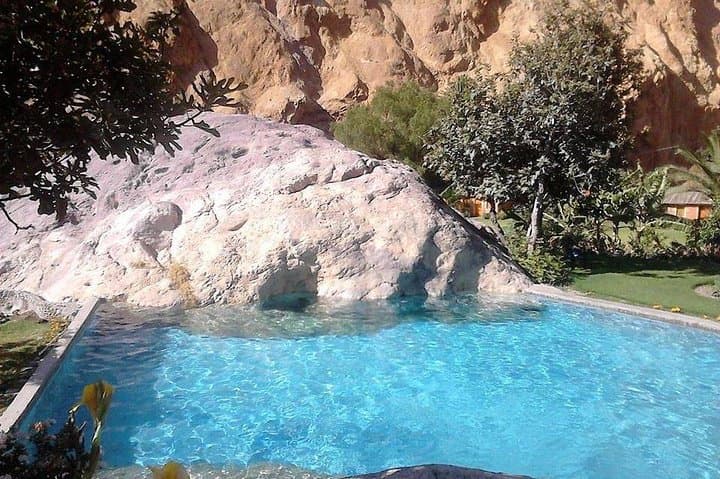
The Colca Canyon carries layers of human and geological history: deep down, river-cut volcanic rock exposes millennia of uplift; higher up, terraces built by pre-Inca Collagua and Cabana communities still shape fields and footpaths. Villages like San Juan de Chuccho and Cabanaconde keep traditional weaving and farming alive; Sangalle’s palm-fringed oasis feels almost deliberate, a cool pocket fed by the Colca River.
Expect steep descents and a tough return: Day two drops to the Sangalle oasis then Day three forces a 1,050m ascent to Cabanaconde in roughly three hours. Trails range from compact dirt to loose scree; altitude is the real variable—Patapampa and Chivay sit above 3,600m. Lodging is family-run and basic, with communal meals that highlight local ingredients.
Practical edge: carry 2–3L water, layer for intense sun and freezing nights, and pace the ascent to Cabanaconde—short, steep efforts demand measured breathing. Reserve time in Yanque hot springs after the trek to soothe legs. With preparation this three-day route becomes a focused, immersive encounter with high-Andean terrain, wildlife and local life.
challenging.
3 days (≈72 hours).
Good aerobic fitness and prior experience at altitude recommended; be prepared for steep climbs and sustained hiking.
The route includes high-altitude exposure up to ~4,850m and a final 1,050m ascent over ~3 hours—physically demanding but technically straightforward on marked trails.
Yes. Spend a day or two in Arequipa or Chivay to adapt; symptoms of altitude sickness can appear rapidly without acclimatization.
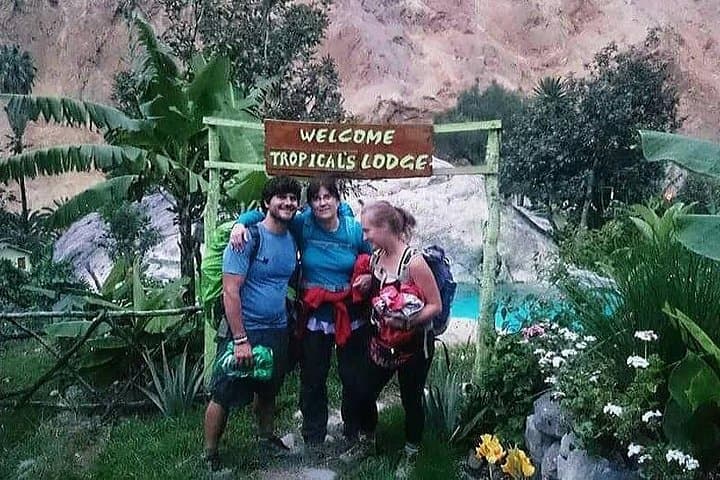
Lodging is family-run and basic: San Juan de Chuccho offers shared facilities, Sangalle has private bungalows and simple amenities; expect modest comfort and local meals.
No. Condors are most active at sunrise when thermals form—early visits give the best chance but sightings are not guaranteed.
The Colca valley was shaped by tectonics and centuries of human engineering; pre-Inca Collagua and Cabana cultures built terrace systems still visible along the route.
This high‑Andean environment is fragile—stick to trails, minimize water use, and support local lodges that practice responsible tourism.
Perou Voyage operates guided outdoor trips and adventures with an emphasis on safety, stewardship, and memorable experiences.
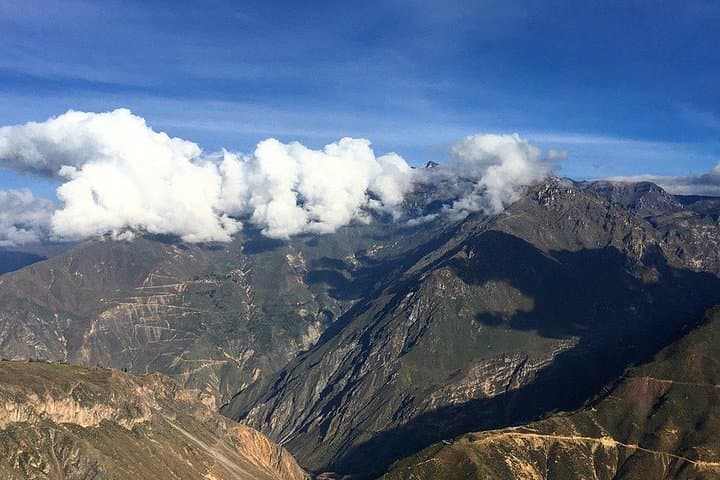
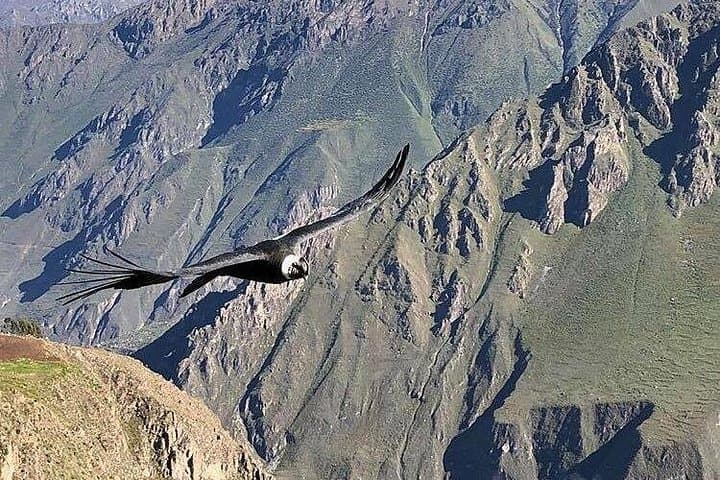
Before dawn the Andes breathe cold air into a canyon that feels older than the maps. Hikers gather in Arequipa at 3AM, then climb to Patapampa’s 4,850m ridge where wind and volcanic ridgelines stand watch. By sunrise the canyon yawns below and condors wheel over stone cliffs—an immediate reminder that this is a landscape that tests and rewards attention.
Before dawn the Andes breathe cold air into a canyon that feels older than the maps. Hikers gather in Arequipa at 3AM, then climb to Patapampa’s 4,850m ridge where wind and volcanic ridgelines stand watch. By sunrise the canyon yawns below and condors wheel over stone cliffs—an immediate reminder that this is a landscape that tests and rewards attention.
The Colca Canyon carries layers of human and geological history: deep down, river-cut volcanic rock exposes millennia of uplift; higher up, terraces built by pre-Inca Collagua and Cabana communities still shape fields and footpaths. Villages like San Juan de Chuccho and Cabanaconde keep traditional weaving and farming alive; Sangalle’s palm-fringed oasis feels almost deliberate, a cool pocket fed by the Colca River.
Expect steep descents and a tough return: Day two drops to the Sangalle oasis then Day three forces a 1,050m ascent to Cabanaconde in roughly three hours. Trails range from compact dirt to loose scree; altitude is the real variable—Patapampa and Chivay sit above 3,600m. Lodging is family-run and basic, with communal meals that highlight local ingredients.
Practical edge: carry 2–3L water, layer for intense sun and freezing nights, and pace the ascent to Cabanaconde—short, steep efforts demand measured breathing. Reserve time in Yanque hot springs after the trek to soothe legs. With preparation this three-day route becomes a focused, immersive encounter with high-Andean terrain, wildlife and local life.