THE ADVENTURE COLLECTIVE® · Independent discovery and booking for outdoor travel

Descend into one of the world’s deepest canyons on a compact 2‑day trek that combines condor viewing, terraced highland farms and an overnight at Sangalle Oasis. Expect steep climbs, sweeping geology and vivid Andean culture.
Descend into one of the world’s deepest canyons on a compact 2‑day trek that combines condor viewing, terraced highland farms and an overnight at Sangalle Oasis. Expect steep climbs, sweeping geology and vivid Andean culture.
Dawn breaks over high volcanic shoulders as the minivan eases out of Arequipa and the air thins; within hours the road drops into a canyon that feels carved by both water and time. On day one walkers follow switchbacks down terraced slopes toward Cabanaconde, the trail threading past highland farms, grazing alpacas and spiny cactus stands that shoulder the trail like watchful elders.
Verified experiences and guided adventures in the surrounding area.
Operated by Travel Adventures Peru · Chivay, Arequipa Region
Dawn breaks over high volcanic shoulders as the minivan eases out of Arequipa and the air thins; within hours the road drops into a canyon that feels carved by both water and time. On day one walkers follow switchbacks down terraced slopes toward Cabanaconde, the trail threading past highland farms, grazing alpacas and spiny cactus stands that shoulder the trail like watchful elders.
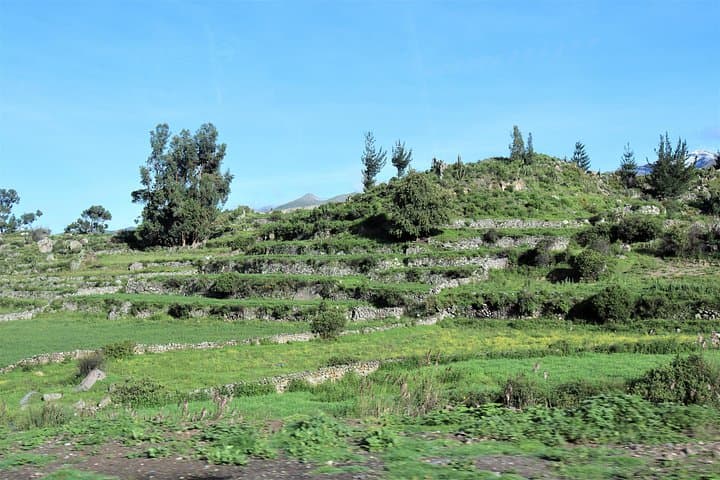
This canyon is ancient: terraces and irrigation channels reflect centuries of pre-Hispanic engineering; the river below has sliced more than a mile into volcanic rock, exposing layers of basalt and tuff and creating the steep amphitheater where Andean condors ride thermal columns. Local villages — Chivay and Yanque among them — keep traditional dress, markets and picantería cooking alive, so cultural notes are as present as geological ones.
The overnight at Sangalle (the Oasis) changes the tempo: palm-shaded pools and a small lodge offer recovery at river level before the steep ascent on day two. Expect strong sun, drastic temperature swings between canyon floor and rim, and thin air that makes climbs feel harder than distance alone suggests.
Practical guidance: start early to catch condor activity at Cruz del Cóndor, carry a minimum 2–3 liters of water, use breathable layers for rapid temperature shifts, and plan for a sustained climb out on day two. Moderate to challenging fitness and basic high‑altitude awareness will make the trek far more enjoyable.
challenging.
2 days.
Good cardiovascular fitness; able to hike steep descents and sustained ascents at altitude for several hours.
The 2‑day itinerary includes steep descents into the canyon and a long ascent out; most operators rate it challenging and recommend moderate to strong fitness.
Condors are commonly seen at Cruz del Cóndor, especially early morning when thermals form, but sightings cannot be guaranteed.
This particular tour uses a lodge at Sangalle for the overnight; no camping equipment is needed.
Dry season (May–September) offers clearer skies and more stable trails, though mornings are colder and midday sun remains strong.
The canyon’s terraces and irrigation systems reflect centuries of Andean agriculture and pre-Columbian engineering that shaped highland life long before modern roads.
High‑altitude farming and fragile vegetation recover slowly; stick to trails, avoid introducing non‑local foods and support community-run lodges and entrance fee programs.
Travel Adventures Peru operates guided outdoor trips and adventures with an emphasis on safety, stewardship, and memorable experiences.
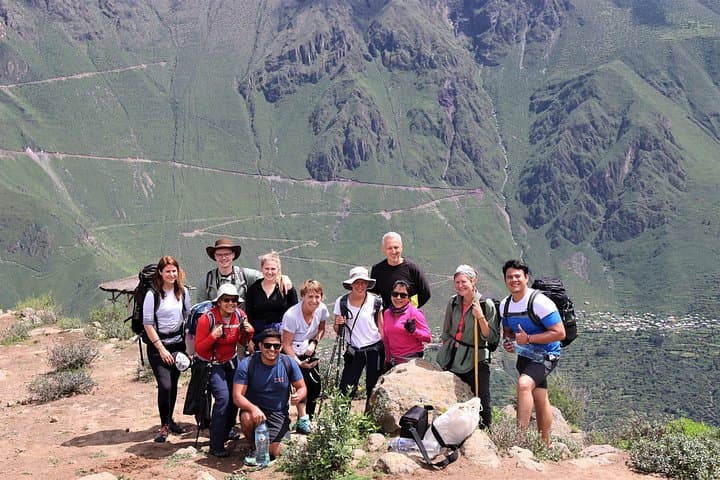
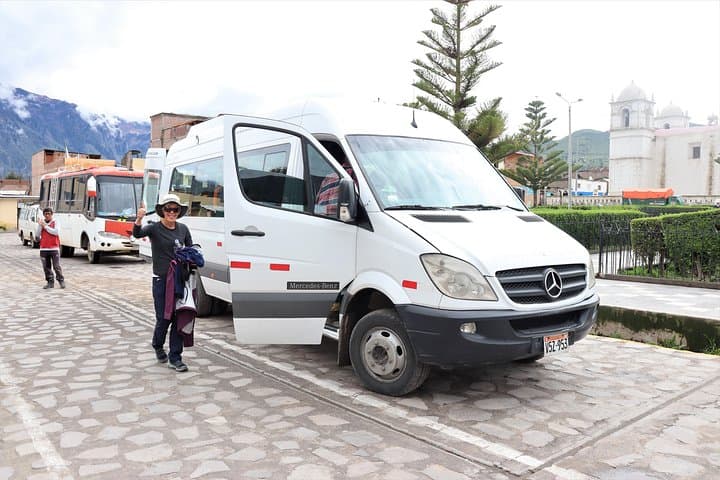
Dawn breaks over high volcanic shoulders as the minivan eases out of Arequipa and the air thins; within hours the road drops into a canyon that feels carved by both water and time. On day one walkers follow switchbacks down terraced slopes toward Cabanaconde, the trail threading past highland farms, grazing alpacas and spiny cactus stands that shoulder the trail like watchful elders.
Dawn breaks over high volcanic shoulders as the minivan eases out of Arequipa and the air thins; within hours the road drops into a canyon that feels carved by both water and time. On day one walkers follow switchbacks down terraced slopes toward Cabanaconde, the trail threading past highland farms, grazing alpacas and spiny cactus stands that shoulder the trail like watchful elders.
This canyon is ancient: terraces and irrigation channels reflect centuries of pre-Hispanic engineering; the river below has sliced more than a mile into volcanic rock, exposing layers of basalt and tuff and creating the steep amphitheater where Andean condors ride thermal columns. Local villages — Chivay and Yanque among them — keep traditional dress, markets and picantería cooking alive, so cultural notes are as present as geological ones.
The overnight at Sangalle (the Oasis) changes the tempo: palm-shaded pools and a small lodge offer recovery at river level before the steep ascent on day two. Expect strong sun, drastic temperature swings between canyon floor and rim, and thin air that makes climbs feel harder than distance alone suggests.
Practical guidance: start early to catch condor activity at Cruz del Cóndor, carry a minimum 2–3 liters of water, use breathable layers for rapid temperature shifts, and plan for a sustained climb out on day two. Moderate to challenging fitness and basic high‑altitude awareness will make the trek far more enjoyable.