THE ADVENTURE COLLECTIVE® · Independent discovery and booking for outdoor travel

Two days exploring Colca Canyon take you from the Condor-cross viewpoint to the volcanic sculptures of Chocolaqa. This guided itinerary balances high-Andes hiking with cultural stops in traditional towns and a return to Arequipa by evening of day two.
Two days exploring Colca Canyon take you from the Condor-cross viewpoint to the volcanic sculptures of Chocolaqa. This guided itinerary balances high-Andes hiking with cultural stops in traditional towns and a return to Arequipa by evening of day two.
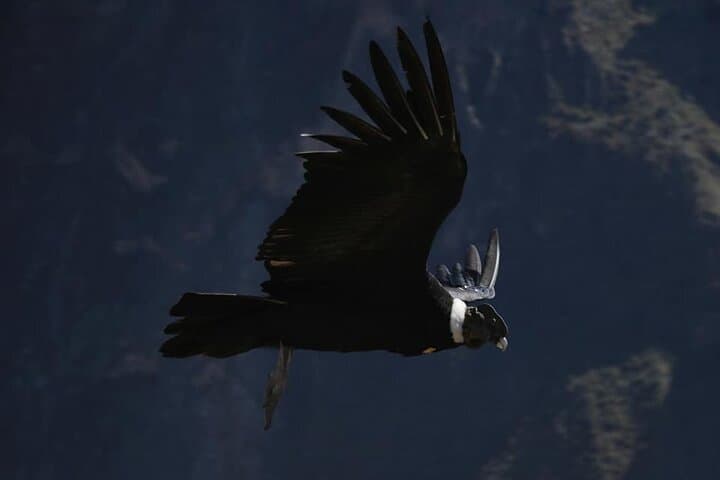
Dawn dissolves over the high Andes as a van peels out of Chivay and the rim of Colca Canyon grows sharper against a brightening sky. Condors wheel above the Cruz del Condor viewpoint, their wings catching thermals that seem to dare you to match their steadiness. Two days on this route trade city air for thin, dry wind, terraces stacked like timeworn agriculture and volcanic rock carved into capricious pillars at Chocolaqa.
Verified experiences and guided adventures in the surrounding area.
Operated by Arequipa Tour · Chivay, Arequipa Region
Dawn dissolves over the high Andes as a van peels out of Chivay and the rim of Colca Canyon grows sharper against a brightening sky. Condors wheel above the Cruz del Condor viewpoint, their wings catching thermals that seem to dare you to match their steadiness. Two days on this route trade city air for thin, dry wind, terraces stacked like timeworn agriculture and volcanic rock carved into capricious pillars at Chocolaqa.
The canyon’s story is both human and geological: millennia of uplift and river erosion carved the trench, while pre-Inca and Inca peoples engineered terraces that still feed local communities. Spanish-era churches and the pattern of small towns — Yanque, Maca, Chivay — reflect a cultural layering that greets visitors with embroidered textiles and slow-market rhythms.
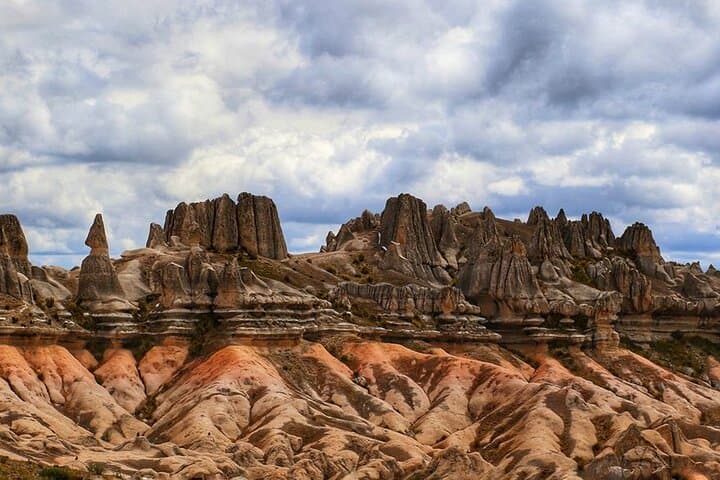
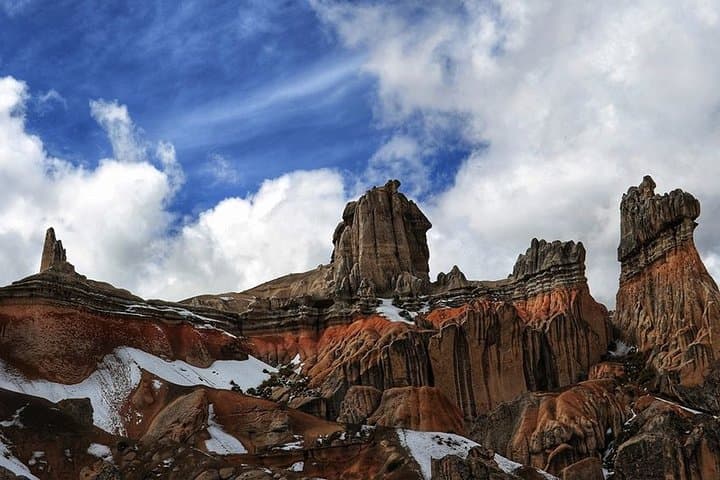
Geologically, Chocolaqa is a volcanic-sedimentary playground at roughly 4,500 m.a.s.l.; expect jagged spires, wind-etched hoodoos and loose scree underfoot. Culturally, markets and family-run inns in Chivay keep a direct connection to the land: guides are often local and explain irrigation, grazing and stonework practices.
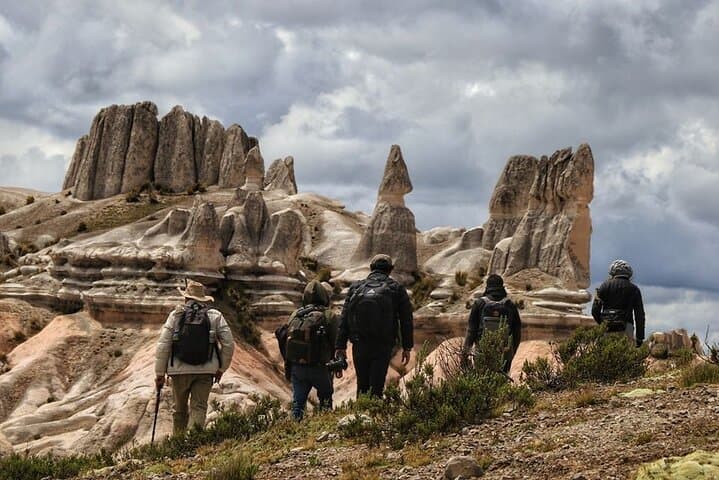
Practically, this is a moderate two-day trip: early starts, long drives on gravel tracks, and a 2–3 hour walk at altitude on day two. Acclimatize in Arequipa or take the afternoon in Chivay easy. Bring layered clothing, sun protection, and plenty of water; thermal baths at Chivay are optional and pay-to-enter. Expect basic*** hotel accommodation, guided transfers, and a schedule that returns you to Arequipa by evening of day two. The terrain rewards patience — ridge views, llamas on the horizon, and rock formations that demand a slow look to understand how wind and fire shaped them.
moderate.
2 days.
Moderate fitness required: able to hike 2–3 hours at altitude and tolerate long vehicle transfers
Chocolaqa sits around 4,500 m.a.s.l.; many travelers experience mild altitude effects — rest, hydrate, avoid heavy exertion on arrival and consider coca tea or slow pacing.
Condors are commonly seen in the morning when thermals form, but sightings depend on weather and season; early arrival improves chances.
The tour notes the Cruz del Condor fee (approximately USD 21) and thermal pools are additional; bring cash in small denominations.
Accommodation is standard 3-star in Chivay with shared or private rooms; transport is by van or bus with hotel pick-up and drop-off in Arequipa.
Colca was shaped by tectonic uplift and erosion; the valley preserves pre-Inca terraces that continue to be farmed, and colonial churches in towns like Yanque and Maca reflect centuries of settlement.
Stick to established trails and avoid collecting rock or archaeological material; entrance fees and local guides help support community conservation and sustainable tourism.
Arequipa Tour operates guided outdoor trips and adventures with an emphasis on safety, stewardship, and memorable experiences.
Dawn dissolves over the high Andes as a van peels out of Chivay and the rim of Colca Canyon grows sharper against a brightening sky. Condors wheel above the Cruz del Condor viewpoint, their wings catching thermals that seem to dare you to match their steadiness. Two days on this route trade city air for thin, dry wind, terraces stacked like timeworn agriculture and volcanic rock carved into capricious pillars at Chocolaqa.
Dawn dissolves over the high Andes as a van peels out of Chivay and the rim of Colca Canyon grows sharper against a brightening sky. Condors wheel above the Cruz del Condor viewpoint, their wings catching thermals that seem to dare you to match their steadiness. Two days on this route trade city air for thin, dry wind, terraces stacked like timeworn agriculture and volcanic rock carved into capricious pillars at Chocolaqa.
The canyon’s story is both human and geological: millennia of uplift and river erosion carved the trench, while pre-Inca and Inca peoples engineered terraces that still feed local communities. Spanish-era churches and the pattern of small towns — Yanque, Maca, Chivay — reflect a cultural layering that greets visitors with embroidered textiles and slow-market rhythms.
Geologically, Chocolaqa is a volcanic-sedimentary playground at roughly 4,500 m.a.s.l.; expect jagged spires, wind-etched hoodoos and loose scree underfoot. Culturally, markets and family-run inns in Chivay keep a direct connection to the land: guides are often local and explain irrigation, grazing and stonework practices.
Practically, this is a moderate two-day trip: early starts, long drives on gravel tracks, and a 2–3 hour walk at altitude on day two. Acclimatize in Arequipa or take the afternoon in Chivay easy. Bring layered clothing, sun protection, and plenty of water; thermal baths at Chivay are optional and pay-to-enter. Expect basic*** hotel accommodation, guided transfers, and a schedule that returns you to Arequipa by evening of day two. The terrain rewards patience — ridge views, llamas on the horizon, and rock formations that demand a slow look to understand how wind and fire shaped them.