THE ADVENTURE COLLECTIVE® · Independent discovery and booking for outdoor travel

A focused 2-day trek into Colca Canyon: descend 1,000 m to the Sangalle oasis, sleep in rustic bungalows, then climb 1,000 m to Cabanaconde while watching condors and exploring pre-Inca sites. Ideal for fit hikers who want bold views and cultural stops.
A focused 2-day trek into Colca Canyon: descend 1,000 m to the Sangalle oasis, sleep in rustic bungalows, then climb 1,000 m to Cabanaconde while watching condors and exploring pre-Inca sites. Ideal for fit hikers who want bold views and cultural stops.
The day starts before dawn in Arequipa, a van rolling north into thinning air as the Andes open into the wide Colca Valley.
Verified experiences and guided adventures in the surrounding area.
Operated by Puriy Perú Expeditions · Chivay, Arequipa Region
The day starts before dawn in Arequipa, a van rolling north into thinning air as the Andes open into the wide Colca Valley.
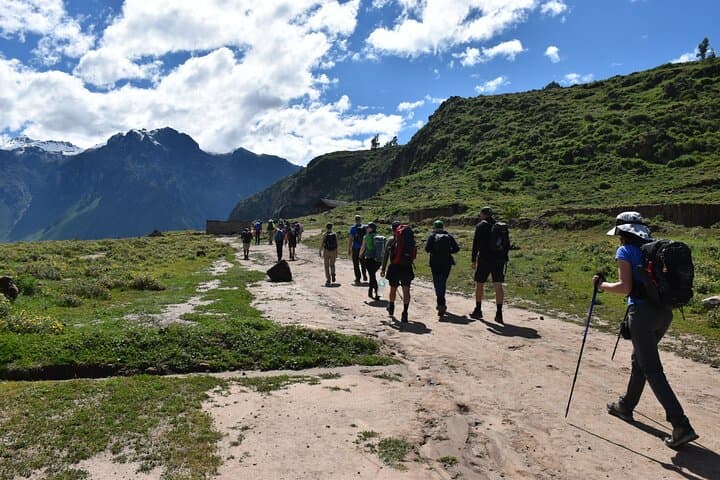
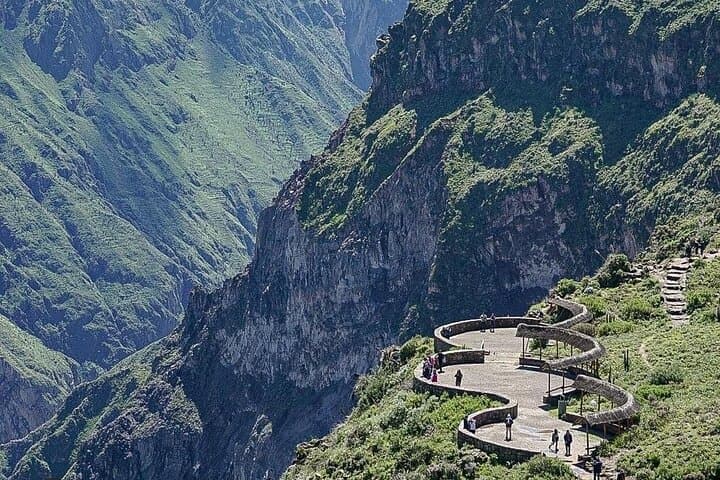
By midmorning you stand at Cruz del Cóndor: the canyon folds below, a sweeping chasm where condors wheel on thermal columns. The route drops quickly—about 1,000 m—on a rocky zigzag that takes roughly three hours to reach terraces and the tiny village of San Juan de Chuccho. Afternoon walking edges you along the canyon wall to Sangalle, an unexpected palm-lined oasis with rustic bungalows and a pool where you can let the canyon’s heat slide off your shoulders.
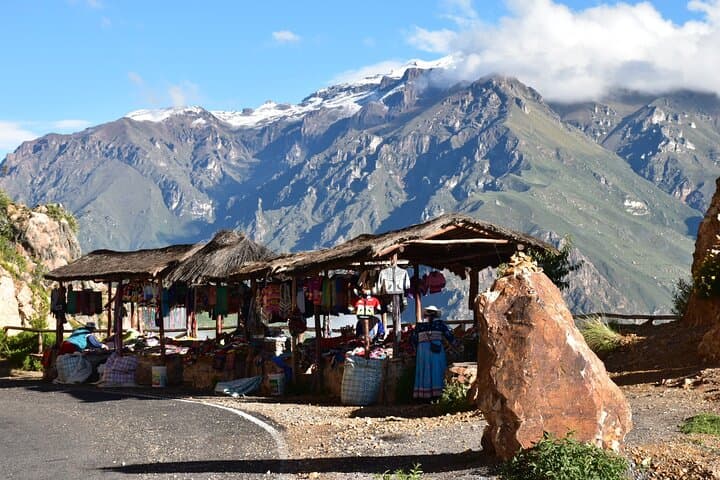
This canyon is geologically young—river-carved volcanic rock—and historically occupied by pre-Inca and Collagua communities who engineered the stepped terraces still farmed today. The culture here is visible in adobe houses, traditional dress, and local foods like the Colca sour consumed in Maca.
Day two is a test: a steep, sustained 1,000 m climb to Cabanaconde that takes about three hours at altitude; it separates casual views from earned panoramas. Along the return, stops include pre-Inca hanging tombs, hot springs, and the Salinas y Aguada Blanca Reserve—home to wild vicuñas and Andean wetlands.
Practical guidance: this is a challenging, high-altitude trek—expect temperature swings, sun exposure, and basic lodge accommodations. Carry layered clothing, at least 2–3 liters of water, high-energy snacks, and sturdy boots with good grip. Pace the ascent, monitor for altitude symptoms, and plan quiet evenings to recover; the reward is dramatic canyon light and the rare sight of condors riding the thermals.
challenging.
2 days.
Requires high aerobic fitness and experience with sustained uphill hiking at altitude; able to hike 3–4 hours with breaks.
Expect roughly three hours of steady uphill gain (~1,000 m). Hike at your own pace; guides will regroup at set points.
Accommodations are rustic bungalows with basic facilities and a shared pool—comfortable for recovery but not luxury.
Cruz del Cóndor is a reliable viewpoint for condor sightings, especially in the morning when thermals are strongest, but sightings cannot be guaranteed.
No; this trek involves strenuous ascent and descent and is not recommended for people with cardiovascular issues, spinal injuries, or severe vertigo.
The Colca Valley preserves pre-Inca and Collagua agricultural terraces and routes; many villages still practice traditional farming techniques adapted to the canyon microclimates.
The region is sensitive: stick to trails, avoid single-use plastics, and respect local grazing zones; supporting local guides helps fund conservation and community livelihoods.
Puriy Perú Expeditions operates guided outdoor trips and adventures with an emphasis on safety, stewardship, and memorable experiences.
The day starts before dawn in Arequipa, a van rolling north into thinning air as the Andes open into the wide Colca Valley.
The day starts before dawn in Arequipa, a van rolling north into thinning air as the Andes open into the wide Colca Valley.
By midmorning you stand at Cruz del Cóndor: the canyon folds below, a sweeping chasm where condors wheel on thermal columns. The route drops quickly—about 1,000 m—on a rocky zigzag that takes roughly three hours to reach terraces and the tiny village of San Juan de Chuccho. Afternoon walking edges you along the canyon wall to Sangalle, an unexpected palm-lined oasis with rustic bungalows and a pool where you can let the canyon’s heat slide off your shoulders.
This canyon is geologically young—river-carved volcanic rock—and historically occupied by pre-Inca and Collagua communities who engineered the stepped terraces still farmed today. The culture here is visible in adobe houses, traditional dress, and local foods like the Colca sour consumed in Maca.
Day two is a test: a steep, sustained 1,000 m climb to Cabanaconde that takes about three hours at altitude; it separates casual views from earned panoramas. Along the return, stops include pre-Inca hanging tombs, hot springs, and the Salinas y Aguada Blanca Reserve—home to wild vicuñas and Andean wetlands.
Practical guidance: this is a challenging, high-altitude trek—expect temperature swings, sun exposure, and basic lodge accommodations. Carry layered clothing, at least 2–3 liters of water, high-energy snacks, and sturdy boots with good grip. Pace the ascent, monitor for altitude symptoms, and plan quiet evenings to recover; the reward is dramatic canyon light and the rare sight of condors riding the thermals.