THE ADVENTURE COLLECTIVE® · Independent discovery and booking for outdoor travel

Explore Coimbra on foot with a local guide who threads history, architecture and student-life lore into a concise 2.5-hour walk. Hilly but accessible, the route hits churches, the university, an imposing aqueduct and the university botanical garden.
Explore Coimbra on foot with a local guide who threads history, architecture and student-life lore into a concise 2.5-hour walk. Hilly but accessible, the route hits churches, the university, an imposing aqueduct and the university botanical garden.
Morning light slants across the Mondego and the city wakes: street performers tune their instruments near the river while tram bells thread through narrow lanes. You meet your local guide downtown and step into Coimbra’s living history, moving from busy riverfront streets into steep alleys where stone façades and tiled doorways keep score of centuries.
Verified experiences and guided adventures in the surrounding area.
Operated by João · Coimbra, Coimbra District
Morning light slants across the Mondego and the city wakes: street performers tune their instruments near the river while tram bells thread through narrow lanes. You meet your local guide downtown and step into Coimbra’s living history, moving from busy riverfront streets into steep alleys where stone façades and tiled doorways keep score of centuries.
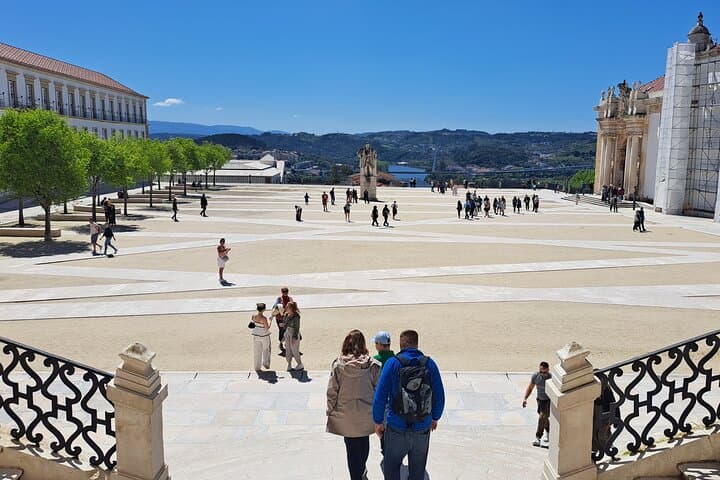
Originally founded by the Romans as Aeminium, Coimbra later became one of Europe’s great academic centers; its university still shapes the city’s rhythm. The route takes you past Roman-era traces and medieval walls, through Santa Cruz church with its royal tombs, up toward the hilltop university where a bell tower and old study halls overlook the rooftops. Geology here is subtle — mica-rich schist and limestone beds underlie the streets, channels for the city’s aqueducts and fountains.
Cultural notes arrive as you walk: student traditions, curious superstitions tied to iron doors and plazas, and the role of the botanical garden established to support scientific study. The aqueduct, a bold ribbon of masonry, frames the approach to the serene University Botanical Garden, whose canopy offers shade and plant collections that trace Portugal’s botanical exchanges.
Practical guidance: this is a hilly, urban walking tour of roughly 2½ hours; wear grippy shoes and bring water in summer. Expect cobbles, short stair sections, and frequent stops for stories and views. Bring a light layer for breezy hilltop exposures, and a small amount of cash for a coffee stop. The pace balances steady walking with time to listen and photograph — ideal for curious travelers who want history with context.
easy.
2–3 hours.
Suitable for most fitness levels; participants should be comfortable walking 2–3 miles over uneven, hilly urban terrain.
The tour lasts about 150 minutes and is rated easy—expect hilly walking on cobbles with regular stops for explanation and views.
Yes; it’s suitable for most ages, though participants should be able to manage stairs and short uphill sections at a relaxed pace.
Meeting is downtown near the riverfront—your booking confirmation provides the exact meeting point and local contact details.
This excursion generally includes guided visits that do not require paid admissions; if an attraction requires entry, the guide will clarify in advance.
Coimbra began as the Roman settlement Aeminium and later grew into Portugal’s medieval and academic heart; the university dates to the 13th century and shaped civic life for centuries.
The University Botanical Garden serves research and conservation roles—stay on marked paths, avoid picking plants, and follow local guidance to limit impact.
João operates guided outdoor trips and adventures with an emphasis on safety, stewardship, and memorable experiences.

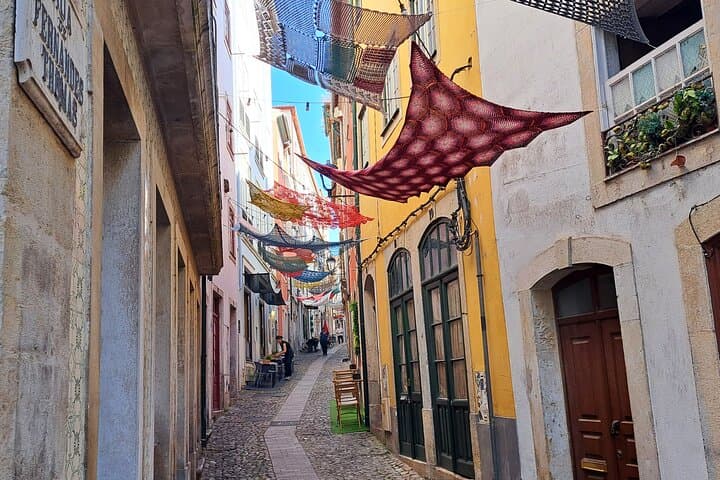

Morning light slants across the Mondego and the city wakes: street performers tune their instruments near the river while tram bells thread through narrow lanes. You meet your local guide downtown and step into Coimbra’s living history, moving from busy riverfront streets into steep alleys where stone façades and tiled doorways keep score of centuries.
Morning light slants across the Mondego and the city wakes: street performers tune their instruments near the river while tram bells thread through narrow lanes. You meet your local guide downtown and step into Coimbra’s living history, moving from busy riverfront streets into steep alleys where stone façades and tiled doorways keep score of centuries.
Originally founded by the Romans as Aeminium, Coimbra later became one of Europe’s great academic centers; its university still shapes the city’s rhythm. The route takes you past Roman-era traces and medieval walls, through Santa Cruz church with its royal tombs, up toward the hilltop university where a bell tower and old study halls overlook the rooftops. Geology here is subtle — mica-rich schist and limestone beds underlie the streets, channels for the city’s aqueducts and fountains.
Cultural notes arrive as you walk: student traditions, curious superstitions tied to iron doors and plazas, and the role of the botanical garden established to support scientific study. The aqueduct, a bold ribbon of masonry, frames the approach to the serene University Botanical Garden, whose canopy offers shade and plant collections that trace Portugal’s botanical exchanges.
Practical guidance: this is a hilly, urban walking tour of roughly 2½ hours; wear grippy shoes and bring water in summer. Expect cobbles, short stair sections, and frequent stops for stories and views. Bring a light layer for breezy hilltop exposures, and a small amount of cash for a coffee stop. The pace balances steady walking with time to listen and photograph — ideal for curious travelers who want history with context.