THE ADVENTURE COLLECTIVE® · Independent discovery and booking for outdoor travel

Spend half a day at Reserva El Toledo near Sámara learning the full coffee process — from cherry to cup — with a guided cupping, snack and a taster certificate. Practical, sensory and ideal for travelers who want hands-on coffee knowledge.
Spend half a day at Reserva El Toledo near Sámara learning the full coffee process — from cherry to cup — with a guided cupping, snack and a taster certificate. Practical, sensory and ideal for travelers who want hands-on coffee knowledge.
Morning light cuts along the plantation rows as you step from the shaded van and inhale the warm, earthy scent of drying coffee — a visceral welcome to Reserva El Toledo. Fields roll in low terraces, leaves whispering as workers move between coffee bushes; nearby hills give the site a calm, agricultural rhythm that frames the day.
Verified experiences and guided adventures in the surrounding area.
Operated by Samara explorers · Sámara, Guanacaste
Morning light cuts along the plantation rows as you step from the shaded van and inhale the warm, earthy scent of drying coffee — a visceral welcome to Reserva El Toledo. Fields roll in low terraces, leaves whispering as workers move between coffee bushes; nearby hills give the site a calm, agricultural rhythm that frames the day.
Costa Rica’s coffee story is practical and political: introduced in the 19th century, coffee reshaped land use, rural economies and export routes. At El Toledo you’ll see that history in practice — traditional drying patios, modern roasting drums and cup tables where farmers and roasters compare notes. Geologically, the farm sits on red, well-draining soils typical of the Nicoya Peninsula’s volcanic foothills, which help the beans ripen evenly and concentrate flavors.
Culturally this is as much a people tour as a plant tour: bilingual guides describe harvest calendars, family-run plots, and the regional preference for medium roasts. Expect savory tasting notes, a guided cupping where acidity and body are pointed out, and a snack of local fare.
Practical guidance: wear sturdy, closed-toe shoes for uneven drying patios, bring sun protection, and be ready for a mix of shade and open yards. The program runs about 5½ hours with hotel pickup from Sámara, coffee sampling, a light snack and a taster certificate at the end. Photography is welcome but step politely around drying beans and processing lines. This visit balances sensory detail and clear insight — you’ll leave with a practical understanding of how Costa Rican coffee goes from green cherry to cup.
easy.
5–6 hours.
Light walking on flat to gently sloping farm terrain — suitable for most fitness levels
The activity lasts about 5½ hours and departs Sámara at either 8:30 AM or 12:30 PM with return after the tasting and snack.
Yes — pickup from Sámara is included; confirm your pickup point when booking and provide full names as requested.
Yes — there is a shopping opportunity after the tasting where local roasted beans and small-batch products are available.
The farm has uneven surfaces and drying patios that are not fully accessible; contact the operator in advance to discuss accommodations.
Coffee cultivation in Costa Rica expanded dramatically in the 19th century and helped build infrastructure and export markets; smallholder farms remain central to regional identity.
Many local farms practice shade-grown or mixed agroforestry techniques to support biodiversity and reduce erosion; visit operators that highlight sustainable processing and water management.
Samara explorers operates guided outdoor trips and adventures with an emphasis on safety, stewardship, and memorable experiences.

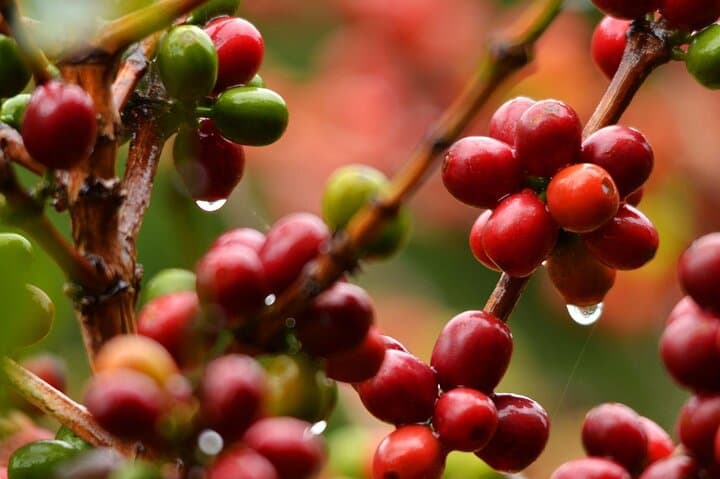
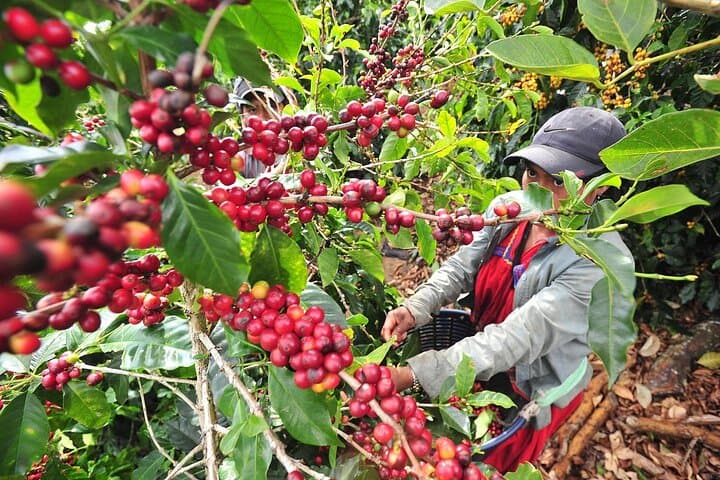
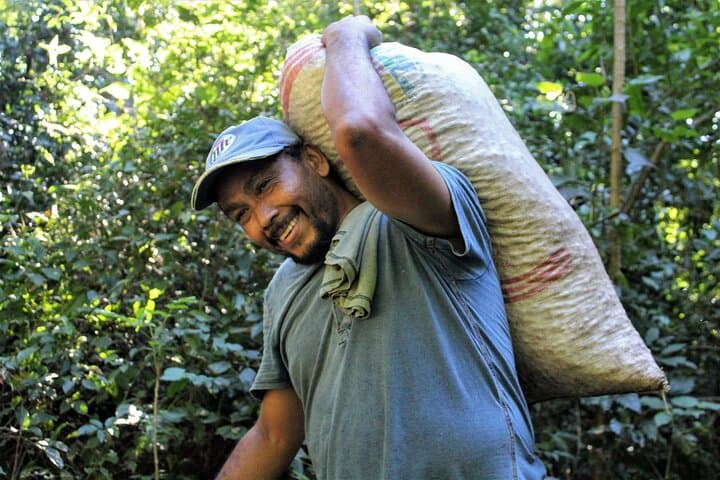
Morning light cuts along the plantation rows as you step from the shaded van and inhale the warm, earthy scent of drying coffee — a visceral welcome to Reserva El Toledo. Fields roll in low terraces, leaves whispering as workers move between coffee bushes; nearby hills give the site a calm, agricultural rhythm that frames the day.
Morning light cuts along the plantation rows as you step from the shaded van and inhale the warm, earthy scent of drying coffee — a visceral welcome to Reserva El Toledo. Fields roll in low terraces, leaves whispering as workers move between coffee bushes; nearby hills give the site a calm, agricultural rhythm that frames the day.
Costa Rica’s coffee story is practical and political: introduced in the 19th century, coffee reshaped land use, rural economies and export routes. At El Toledo you’ll see that history in practice — traditional drying patios, modern roasting drums and cup tables where farmers and roasters compare notes. Geologically, the farm sits on red, well-draining soils typical of the Nicoya Peninsula’s volcanic foothills, which help the beans ripen evenly and concentrate flavors.
Culturally this is as much a people tour as a plant tour: bilingual guides describe harvest calendars, family-run plots, and the regional preference for medium roasts. Expect savory tasting notes, a guided cupping where acidity and body are pointed out, and a snack of local fare.
Practical guidance: wear sturdy, closed-toe shoes for uneven drying patios, bring sun protection, and be ready for a mix of shade and open yards. The program runs about 5½ hours with hotel pickup from Sámara, coffee sampling, a light snack and a taster certificate at the end. Photography is welcome but step politely around drying beans and processing lines. This visit balances sensory detail and clear insight — you’ll leave with a practical understanding of how Costa Rican coffee goes from green cherry to cup.