THE ADVENTURE COLLECTIVE® · Independent discovery and booking for outdoor travel

Spend a full day learning how Costa Rican coffee is grown, processed, and tasted, then connect with local culture through a hands-on pottery experience. This six-hour immersion pairs farm science with village traditions for a practical, sensory visit.
Spend a full day learning how Costa Rican coffee is grown, processed, and tasted, then connect with local culture through a hands-on pottery experience. This six-hour immersion pairs farm science with village traditions for a practical, sensory visit.
Stepping off the minivan, the air smells of wet earth and roasted beans — the farm greets you like a slow exhale. Trails run between shaded rows of coffee, bright red cherries punctuating deep green leaves. Guides from nearby villages move easily here, fingers quick to point out the differences between varietals as the Pacific breeze teases the hills.
Verified experiences and guided adventures in the surrounding area.
Operated by Go Adventures Tours Costa Rica · Tamarindo, Guanacaste
Stepping off the minivan, the air smells of wet earth and roasted beans — the farm greets you like a slow exhale. Trails run between shaded rows of coffee, bright red cherries punctuating deep green leaves. Guides from nearby villages move easily here, fingers quick to point out the differences between varietals as the Pacific breeze teases the hills.
Costa Rica’s coffee story is rooted in volcanic soils and microclimates: higher altitudes and rich, well-drained ground create beans prized worldwide. In Guanacaste province, coffee cultivation adapted to seasonal rains and dry spells, and local communities — including descendants of the Chorotega people — have layered traditional craft onto agricultural life. A hands-on pottery segment connects that cultural thread: simple wheels, local clay, and a guide who explains how forms and motifs carry memory.
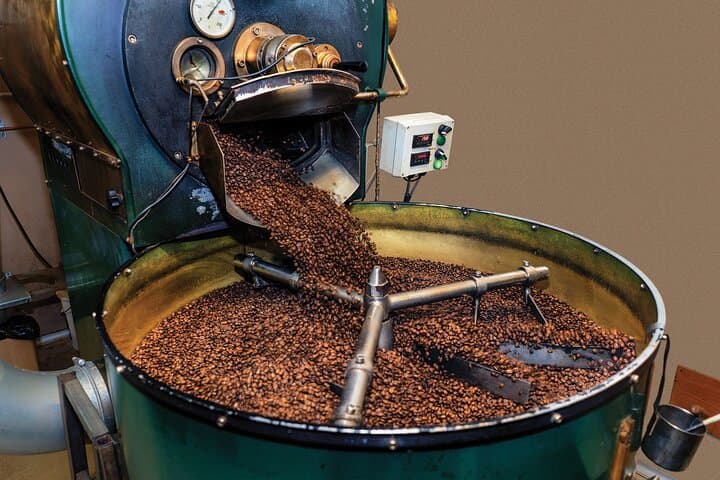
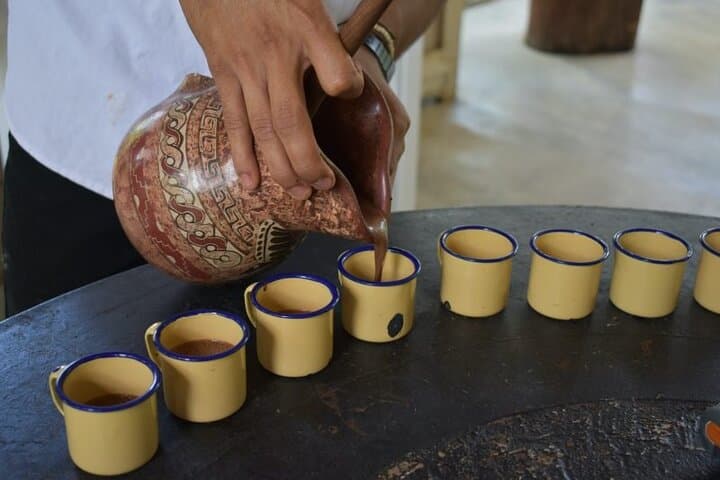
Expect a mix of short walks on uneven farm tracks, demonstrations of processing from cherry to roast, and several tastings that train your palate to detect acidity, body, and aroma. The narrative balances science and story: soil and slope one moment, family histories the next.
Practical guidance: the full experience runs about six hours with hotel pickup; wear closed-toe shoes that can handle mud, bring sun protection and a light rain layer during the wet season, and carry cash for optional souvenirs. Photography is welcome but follow hosts’ directions during cultural activities. This is a sensory day — taste, touch, and listen — that leaves you with a clearer idea of how a country pours itself into a cup.
easy.
6 hours.
Light walking on uneven farm tracks; suitable for most adults who can stand and walk short distances.
Yes—this tour includes hotel pickup and drop-off from the Tamarindo area as noted in the listing.
Tastings are included and designed for newcomers; guides explain how to identify basic flavor notes and quality indicators.
Yes—children can participate in supervised, simplified pottery activities, but adults should accompany young children.
The operator notes wheelchair accessibility, but some farm areas have uneven ground—contact the provider in advance to confirm specific needs.
Coffee became a major export for Costa Rica in the 19th century; the country’s focus on quality and microclimate-driven cultivation helped establish its global reputation.
Many small farms in the region practice shade-grown or mixed-agroforestry coffee to support bird habitat and limit chemical use; visitors are encouraged to buy local and follow leave-no-trace principles.
Go Adventures Tours Costa Rica operates guided outdoor trips and adventures with an emphasis on safety, stewardship, and memorable experiences.
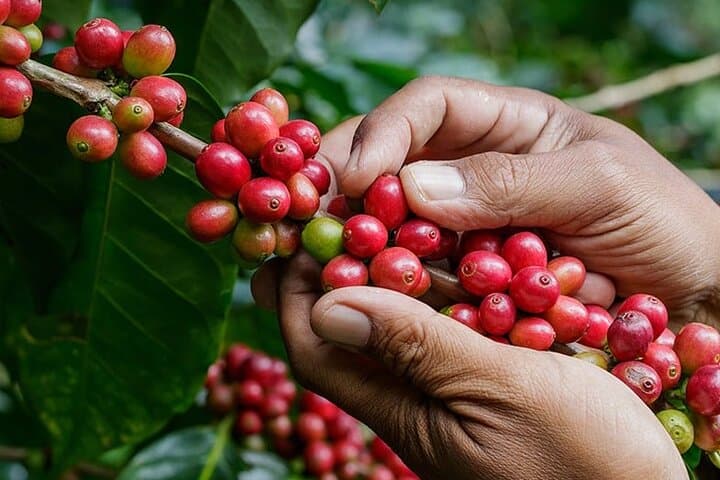
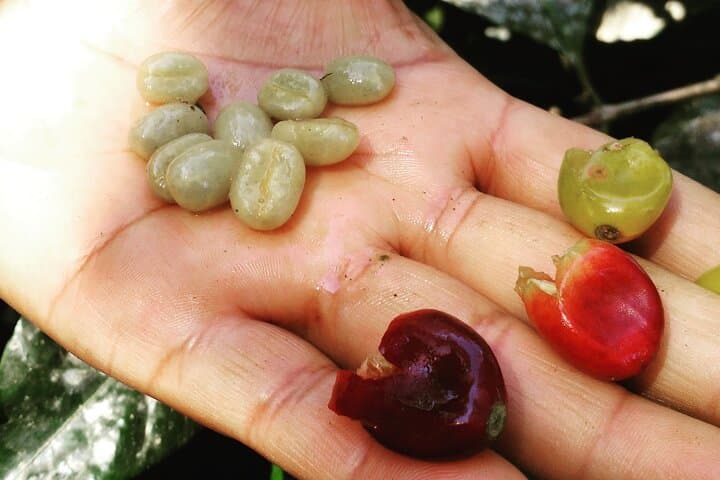
Stepping off the minivan, the air smells of wet earth and roasted beans — the farm greets you like a slow exhale. Trails run between shaded rows of coffee, bright red cherries punctuating deep green leaves. Guides from nearby villages move easily here, fingers quick to point out the differences between varietals as the Pacific breeze teases the hills.
Stepping off the minivan, the air smells of wet earth and roasted beans — the farm greets you like a slow exhale. Trails run between shaded rows of coffee, bright red cherries punctuating deep green leaves. Guides from nearby villages move easily here, fingers quick to point out the differences between varietals as the Pacific breeze teases the hills.
Costa Rica’s coffee story is rooted in volcanic soils and microclimates: higher altitudes and rich, well-drained ground create beans prized worldwide. In Guanacaste province, coffee cultivation adapted to seasonal rains and dry spells, and local communities — including descendants of the Chorotega people — have layered traditional craft onto agricultural life. A hands-on pottery segment connects that cultural thread: simple wheels, local clay, and a guide who explains how forms and motifs carry memory.
Expect a mix of short walks on uneven farm tracks, demonstrations of processing from cherry to roast, and several tastings that train your palate to detect acidity, body, and aroma. The narrative balances science and story: soil and slope one moment, family histories the next.
Practical guidance: the full experience runs about six hours with hotel pickup; wear closed-toe shoes that can handle mud, bring sun protection and a light rain layer during the wet season, and carry cash for optional souvenirs. Photography is welcome but follow hosts’ directions during cultural activities. This is a sensory day — taste, touch, and listen — that leaves you with a clearer idea of how a country pours itself into a cup.