THE ADVENTURE COLLECTIVE® · Independent discovery and booking for outdoor travel

A five-hour shore excursion from Acajutla that moves from coastal port to coffee-clad hills, visiting a working coffee mill, the wicker-market town of Nahuizalco, and colorful Ataco. Expect hands-on coffee processing, local crafts, and panoramic valley views—ideal for cruisers seeking a compact cultural and agricultural experience.
A five-hour shore excursion from Acajutla that moves from coastal port to coffee-clad hills, visiting a working coffee mill, the wicker-market town of Nahuizalco, and colorful Ataco. Expect hands-on coffee processing, local crafts, and panoramic valley views—ideal for cruisers seeking a compact cultural and agricultural experience.
Morning light slides across the Pacific as the minivan peels away from Acajutla’s pier and climbs into the coffee hills—steam rising from roadside plantain stalls, laundry flapping on low stone walls. The route moves from salt-scented air into green terraces where coffee bushes crowd the slopes and the land itself seems to lean forward, offering shade and scent.
Verified experiences and guided adventures in the surrounding area.
Operated by Inter Tours · Acajutla, Sonsonate
Morning light slides across the Pacific as the minivan peels away from Acajutla’s pier and climbs into the coffee hills—steam rising from roadside plantain stalls, laundry flapping on low stone walls. The route moves from salt-scented air into green terraces where coffee bushes crowd the slopes and the land itself seems to lean forward, offering shade and scent.
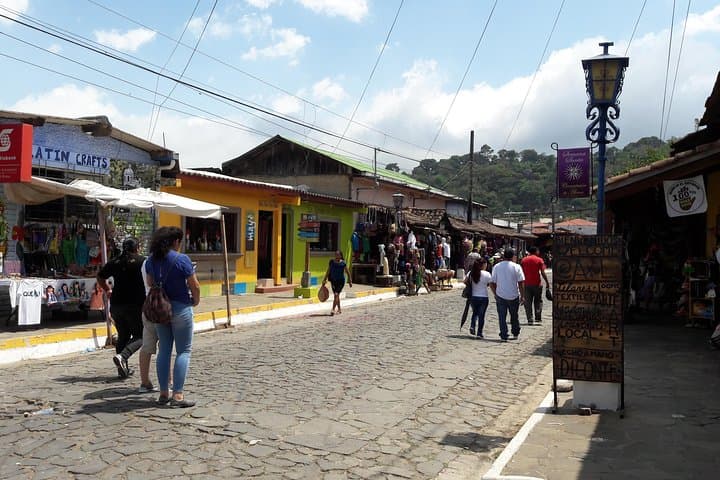
This short coastal-to-highland run crosses volcanic soils born from the region’s young geology: rich, dark and ideal for Arabica that Salvadoran growers have cultivated since the 19th century. You’ll pass small villages where wicker artisans—descendants of Pipil and colonial-era craft traditions—still weave baskets the old way. In Nahuizalco expect a compact market of stalls selling woven goods and local life played at a relaxed pace; Ataco arrives later, a splash of painted facades and cafés with panoramic valley views.
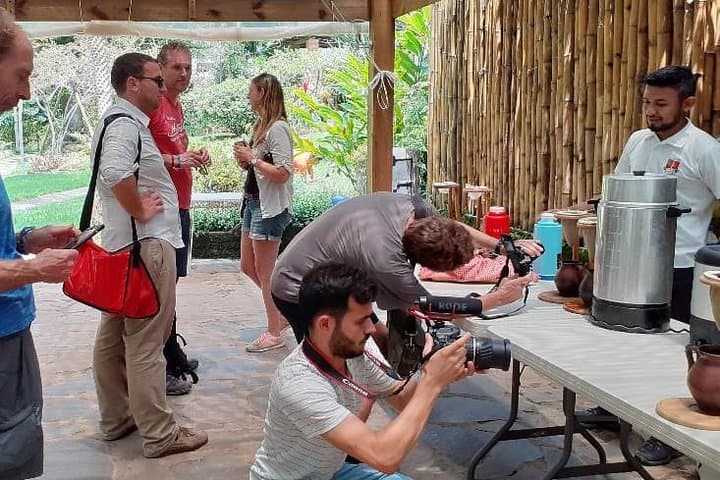
Visits include a working coffee processing station where the drying patios and pulpers explain the crop’s journey from cherry to cup, and a guided tasting of a freshly brewed, gourmet single-origin coffee.
Practicalities: the full excursion runs about five hours with light walking on uneven farm tracks and cobbled village streets; no technical skills required. Bring sun protection, comfortable walking shoes, and a small daypack for water and purchases. Expect warm lowlands and cooler highland breezes—layers are useful. Carry photocopy of your passport for port immigration and plan for limited restroom stops between towns.
This route is ideal for travelers wanting a short, culturally rich taste of El Salvador’s coffee country without long trekking or remote logistics.
easy.
5 hours.
Suitable for most fitness levels; requires short periods of standing and walking on uneven surfaces
The tour is about five hours total with short, guided stops—expect light walking and time at a coffee mill and two towns.
Yes; the itinerary is rated easy and accessible for most ages, though parents should supervise around processing equipment and uneven ground.
Bring small USD or Salvadoran colón (USD is widely accepted) for purchases at markets and cafés; credit cards are not guaranteed.
Yes—there is a gourmet tasting included at the coffee processing center where guides demonstrate roasting and brewing.
Coffee became a major export in El Salvador in the late 19th and early 20th centuries, shaping settlement patterns and smallholder agriculture in these volcanic foothills.
Small coffee farms here often use shade-grown practices that support soil health and bird habitat; stick to trails and avoid disturbing drying beans or processing equipment.
Inter Tours operates guided outdoor trips and adventures with an emphasis on safety, stewardship, and memorable experiences.

Morning light slides across the Pacific as the minivan peels away from Acajutla’s pier and climbs into the coffee hills—steam rising from roadside plantain stalls, laundry flapping on low stone walls. The route moves from salt-scented air into green terraces where coffee bushes crowd the slopes and the land itself seems to lean forward, offering shade and scent.
Morning light slides across the Pacific as the minivan peels away from Acajutla’s pier and climbs into the coffee hills—steam rising from roadside plantain stalls, laundry flapping on low stone walls. The route moves from salt-scented air into green terraces where coffee bushes crowd the slopes and the land itself seems to lean forward, offering shade and scent.
This short coastal-to-highland run crosses volcanic soils born from the region’s young geology: rich, dark and ideal for Arabica that Salvadoran growers have cultivated since the 19th century. You’ll pass small villages where wicker artisans—descendants of Pipil and colonial-era craft traditions—still weave baskets the old way. In Nahuizalco expect a compact market of stalls selling woven goods and local life played at a relaxed pace; Ataco arrives later, a splash of painted facades and cafés with panoramic valley views.
Visits include a working coffee processing station where the drying patios and pulpers explain the crop’s journey from cherry to cup, and a guided tasting of a freshly brewed, gourmet single-origin coffee.
Practicalities: the full excursion runs about five hours with light walking on uneven farm tracks and cobbled village streets; no technical skills required. Bring sun protection, comfortable walking shoes, and a small daypack for water and purchases. Expect warm lowlands and cooler highland breezes—layers are useful. Carry photocopy of your passport for port immigration and plan for limited restroom stops between towns.
This route is ideal for travelers wanting a short, culturally rich taste of El Salvador’s coffee country without long trekking or remote logistics.