THE ADVENTURE COLLECTIVE® · Independent discovery and booking for outdoor travel

Leave Nairobi behind for a 40‑minute climb to 1,750 m where rows of coffee trees and an old processing mill tell the story of Kenyan beans. This 4–5 hour guided tour pairs a plantation walk with a cupping session and the chance to buy freshly roasted beans.
Leave Nairobi behind for a 40‑minute climb to 1,750 m where rows of coffee trees and an old processing mill tell the story of Kenyan beans. This 4–5 hour guided tour pairs a plantation walk with a cupping session and the chance to buy freshly roasted beans.
You roll out of Nairobi before the city heat builds and climb toward higher air; within 40 minutes the road eases into a landscape of low ridges and the geometric rows of coffee. At 1,750 meters the farm sits in cool, thin air where the breeze teases red cherries from their stems and the scent of wet leaf and roasting beans pushes through the morning.
Verified experiences and guided adventures in the surrounding area.
Operated by Wasili Kenya Safaris · Limuru, Kiambu County
You roll out of Nairobi before the city heat builds and climb toward higher air; within 40 minutes the road eases into a landscape of low ridges and the geometric rows of coffee. At 1,750 meters the farm sits in cool, thin air where the breeze teases red cherries from their stems and the scent of wet leaf and roasting beans pushes through the morning.
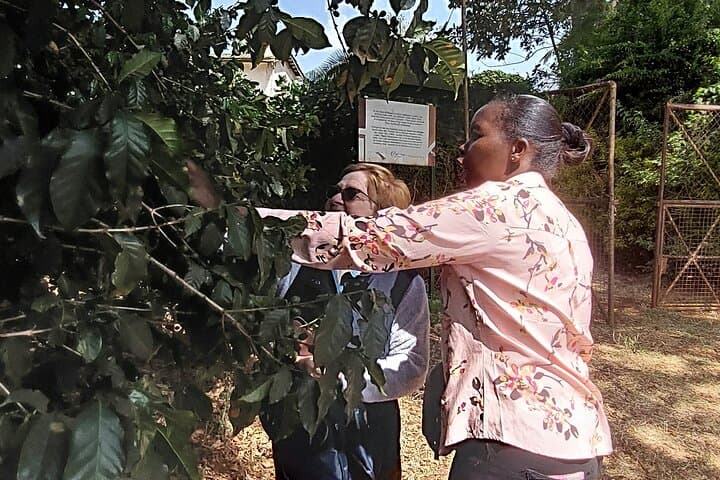
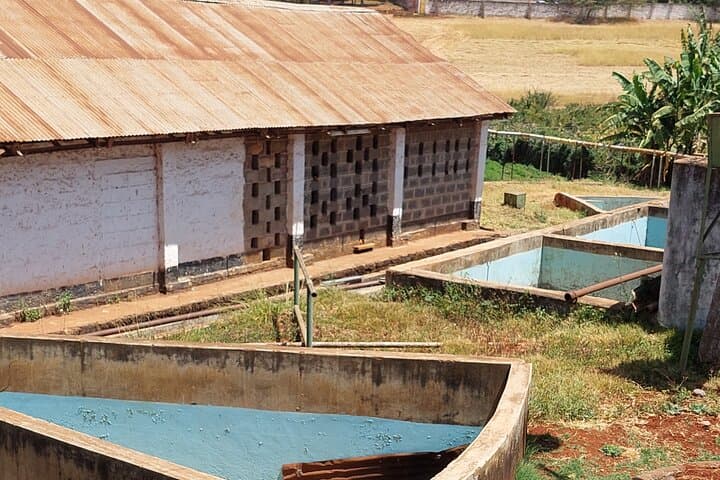
The estate traces its modern coffee production to the early 1900s, when colonial-era plantations reshaped this highland soil—rich and volcanic—into some of Kenya’s most productive pockets. The guided walkthrough covers nearly 100 acres of planted coffee, a visit to the old processing (wet mill) where parchment is pulped and fermented, and a cupping session explaining single-origin notes that put Kenyan coffees on the world map. Local culture shows up in smallholder practices nearby and in the simple commerce of buying freshly ground beans at the end of the tour.
Practically: the standard outing is 4–5 hours with hotel pickup and drop-off included. Paths across the farm are uneven and often muddy after rains, so wear closed-toe shoes and bring a light jacket—the elevation can be cool. Bring water, sun protection, and small cash for purchases; cameras are welcome, but ask before photographing workers. If you visit during harvest you’ll see pickers at work; during the shoulder seasons the focus shifts to processing and drying.
This is approachable agritourism: educational, hands-on, and sensory—offerings that pair a short countryside escape from Nairobi with a direct taste of how Kenyan coffee is made.
easy.
4–5 hours.
Suitable for most fitness levels; involves 1–2 miles of walking on uneven terrain and some short inclines.
The tour runs about 4–5 hours and includes roundtrip transport from Nairobi, guided plantation walk, entry fees, and a tasting session.
Yes—activity is classified as easy; however, infants must sit on an adult’s lap during transport and paths may be uneven for strollers.
Harvest timing varies by elevation and rainfall; in this region peak picking commonly occurs in the drier months, so you may see pickers during harvest periods and processing demonstrations year-round.
Yes, the estate sells roasted and green beans and ground coffee; ask staff about packaging and local shipping options if you need help getting purchases home.
Commercial coffee cultivation in the Kenyan highlands expanded in the early 20th century; estates here combined volcanic soils and high elevation to produce coffees prized internationally.
Many farms in this area use soil-conserving practices and shade management to protect water and biodiversity—respect paths, avoid litter, and follow guide instructions to minimize impact.
Wasili Kenya Safaris operates guided outdoor trips and adventures with an emphasis on safety, stewardship, and memorable experiences.


You roll out of Nairobi before the city heat builds and climb toward higher air; within 40 minutes the road eases into a landscape of low ridges and the geometric rows of coffee. At 1,750 meters the farm sits in cool, thin air where the breeze teases red cherries from their stems and the scent of wet leaf and roasting beans pushes through the morning.
You roll out of Nairobi before the city heat builds and climb toward higher air; within 40 minutes the road eases into a landscape of low ridges and the geometric rows of coffee. At 1,750 meters the farm sits in cool, thin air where the breeze teases red cherries from their stems and the scent of wet leaf and roasting beans pushes through the morning.
The estate traces its modern coffee production to the early 1900s, when colonial-era plantations reshaped this highland soil—rich and volcanic—into some of Kenya’s most productive pockets. The guided walkthrough covers nearly 100 acres of planted coffee, a visit to the old processing (wet mill) where parchment is pulped and fermented, and a cupping session explaining single-origin notes that put Kenyan coffees on the world map. Local culture shows up in smallholder practices nearby and in the simple commerce of buying freshly ground beans at the end of the tour.
Practically: the standard outing is 4–5 hours with hotel pickup and drop-off included. Paths across the farm are uneven and often muddy after rains, so wear closed-toe shoes and bring a light jacket—the elevation can be cool. Bring water, sun protection, and small cash for purchases; cameras are welcome, but ask before photographing workers. If you visit during harvest you’ll see pickers at work; during the shoulder seasons the focus shifts to processing and drying.
This is approachable agritourism: educational, hands-on, and sensory—offerings that pair a short countryside escape from Nairobi with a direct taste of how Kenyan coffee is made.