THE ADVENTURE COLLECTIVE® · Independent discovery and booking for outdoor travel

Spend half a day on a working coffee farm outside Salento: plant seedlings, pick cherries, see roasting and taste freshly brewed Colombian coffee. Combine farm time with a guided walk through Salento’s streets and viewpoints.
Spend half a day on a working coffee farm outside Salento: plant seedlings, pick cherries, see roasting and taste freshly brewed Colombian coffee. Combine farm time with a guided walk through Salento’s streets and viewpoints.
A highland road opens onto rows of glossy coffee bushes; mist lifts from steep fields and the mountains push the sky back. You arrive at a century-old finca outside Salento, where the guide leads you past shade trees and packed terraces, pointing out ripening red cherries and the pale green of seedlings just planted.
Verified experiences and guided adventures in the surrounding area.
Operated by Gran Colombia Tours · Salento, Quindío
A highland road opens onto rows of glossy coffee bushes; mist lifts from steep fields and the mountains push the sky back. You arrive at a century-old finca outside Salento, where the guide leads you past shade trees and packed terraces, pointing out ripening red cherries and the pale green of seedlings just planted.
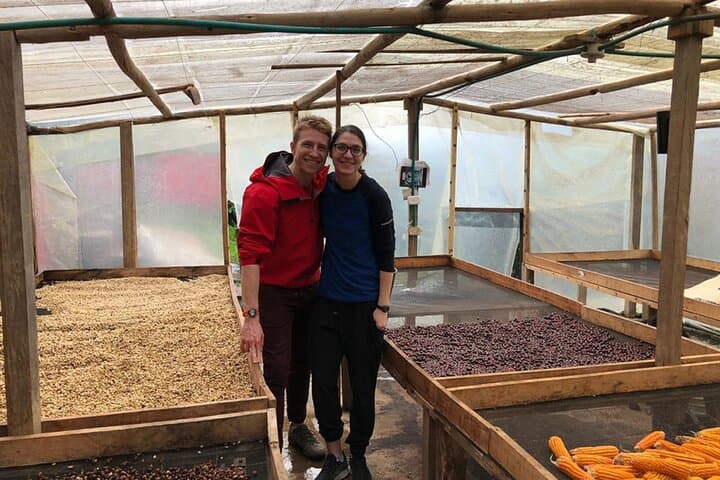
This part of the Coffee Triangle grew alongside Colombia’s coffee boom in the 19th and 20th centuries — farms here shaped rural communities and export routes. Geologically, you’re on volcanic soils that hold moisture and minerals, which help explain the bright acidity and floral notes of Quindío beans. Culturally the visit folds agronomy and daily life together: families tend parcels, wooden drying patios still smoke with small roasters, and local stories about harvest cycles are part of the tour.
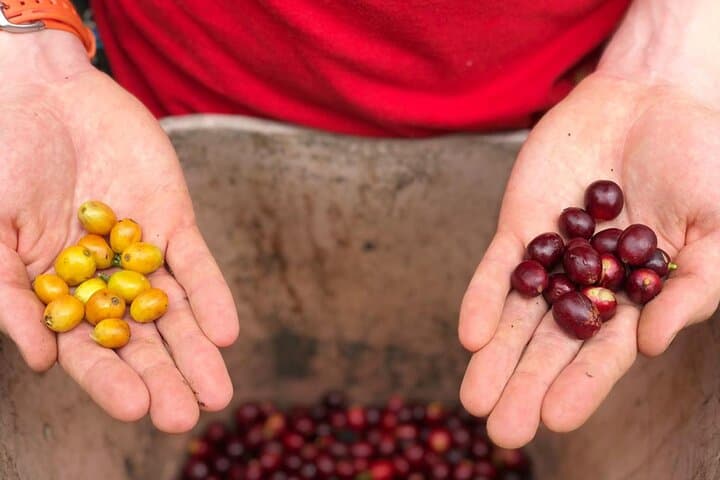
On the farm you’ll plant seedlings, pick ripe cherries, and watch roasting and grinding demonstrations before a tasting that highlights roast level and origin. The Salento walking segment threads pastel streets, lookout points and local craft shops.
Practical guidance: wear closed, treaded shoes for uneven plantation tracks, carry 1–2 liters of water, and bring sun and rain protection — weather shifts quickly at altitude. Allow about four to five hours total; the pace is gentle but expect some short uphill walks. Cameras are welcome but be respectful during farm operations. If you care about impact, buy coffee from the farm to support local producers and reduce packaging waste.
easy.
4–5 hours.
Suitable for most fitness levels; requires walking on uneven ground and short inclines.
Expect about 4–5 hours including farm activities, tasting and a short walking tour of Salento.
Yes; the tour is rated easy and adaptable, though participants with mobility concerns should notify the operator in advance.
Most farms offer beans, roasts or small souvenirs for purchase—bringing cash or card is recommended.
Guides are typically Spanish-speaking and many operators provide English-speaking guides—confirm at booking.
Coffee cultivation in the region expanded in the 19th century and shaped local communities; many family farms have remained in operation for generations.
Small farms often use shade-grown techniques that support biodiversity; when visiting, stick to paths and avoid disturbing drying patios and processing areas.
Gran Colombia Tours operates guided outdoor trips and adventures with an emphasis on safety, stewardship, and memorable experiences.
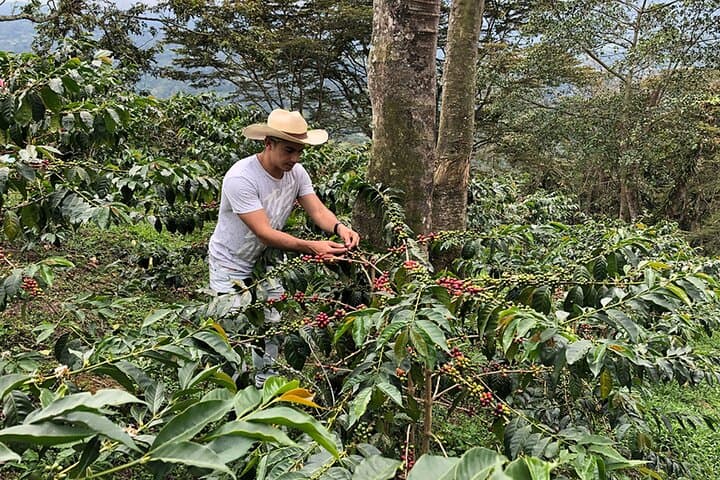
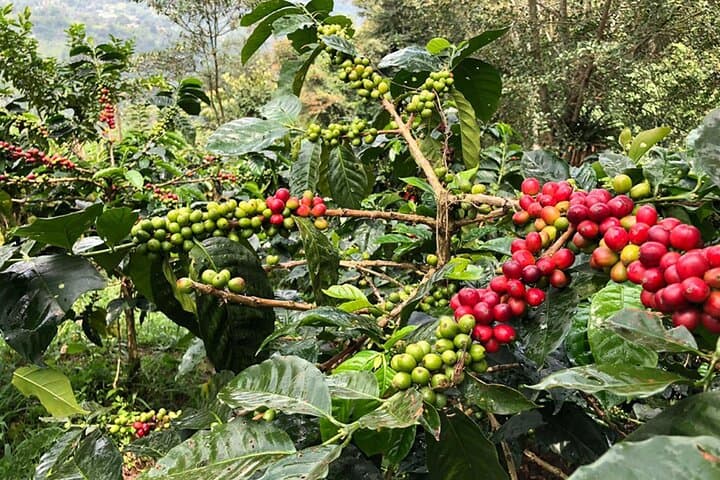
A highland road opens onto rows of glossy coffee bushes; mist lifts from steep fields and the mountains push the sky back. You arrive at a century-old finca outside Salento, where the guide leads you past shade trees and packed terraces, pointing out ripening red cherries and the pale green of seedlings just planted.
A highland road opens onto rows of glossy coffee bushes; mist lifts from steep fields and the mountains push the sky back. You arrive at a century-old finca outside Salento, where the guide leads you past shade trees and packed terraces, pointing out ripening red cherries and the pale green of seedlings just planted.
This part of the Coffee Triangle grew alongside Colombia’s coffee boom in the 19th and 20th centuries — farms here shaped rural communities and export routes. Geologically, you’re on volcanic soils that hold moisture and minerals, which help explain the bright acidity and floral notes of Quindío beans. Culturally the visit folds agronomy and daily life together: families tend parcels, wooden drying patios still smoke with small roasters, and local stories about harvest cycles are part of the tour.
On the farm you’ll plant seedlings, pick ripe cherries, and watch roasting and grinding demonstrations before a tasting that highlights roast level and origin. The Salento walking segment threads pastel streets, lookout points and local craft shops.
Practical guidance: wear closed, treaded shoes for uneven plantation tracks, carry 1–2 liters of water, and bring sun and rain protection — weather shifts quickly at altitude. Allow about four to five hours total; the pace is gentle but expect some short uphill walks. Cameras are welcome but be respectful during farm operations. If you care about impact, buy coffee from the farm to support local producers and reduce packaging waste.