THE ADVENTURE COLLECTIVE® · Independent discovery and booking for outdoor travel

Drive into the Cordillera Septentrional to a family coffee farm where hands-on demonstrations and a tasting show how Dominican mountain coffee is grown and processed. Scenic vistas, clear explanations and an authentic countryside lunch round out this easy four-hour cultural visit.
Drive into the Cordillera Septentrional to a family coffee farm where hands-on demonstrations and a tasting show how Dominican mountain coffee is grown and processed. Scenic vistas, clear explanations and an authentic countryside lunch round out this easy four-hour cultural visit.
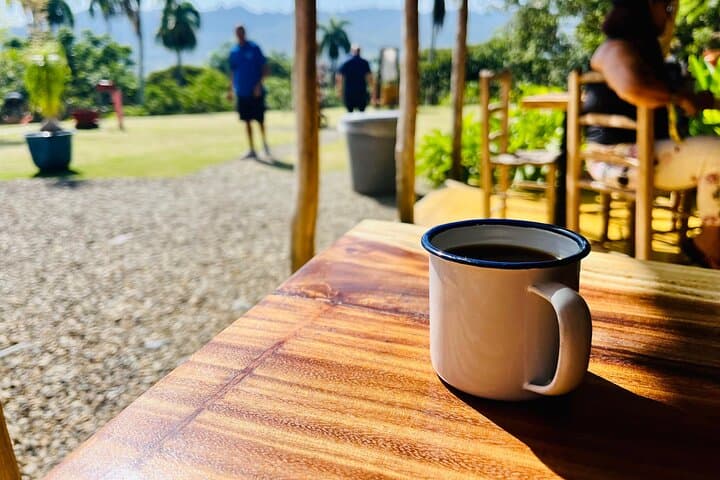
You arrive on a winding mountain road as clouds lift from the ridges and the air turns cool with the scent of green coffee cherries and earth. The drive up the Cordillera Septentrional feels deliberate — each hairpin reveals a new view across valleys and small wood-framed homes, until the family-run Café del Yaroa comes into focus: low buildings, drying patios and rows of shade trees that give the plantation its gentle rhythm.
Verified experiences and guided adventures in the surrounding area.
Operated by Edgarprivatetours · Puerto Plata, Puerto Plata
You arrive on a winding mountain road as clouds lift from the ridges and the air turns cool with the scent of green coffee cherries and earth. The drive up the Cordillera Septentrional feels deliberate — each hairpin reveals a new view across valleys and small wood-framed homes, until the family-run Café del Yaroa comes into focus: low buildings, drying patios and rows of shade trees that give the plantation its gentle rhythm.
The farm follows island coffee traditions brought to the Dominican highlands in the 18th and 19th centuries; the slopes, formed from uplifted limestone and volcanic sediments, offer pockets of well-drained soils suited to Arabica varieties. Farmers here balance sun and shade, an agricultural culture shaped by generations who blend manual harvesting with on-site processing and open-air drying. Alongside coffee, you’ll see subsistence crops and the local domestic life that defines the mountain countryside.
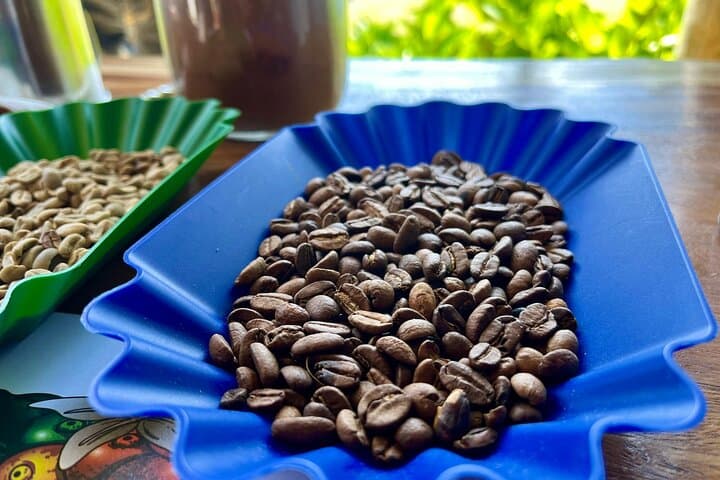
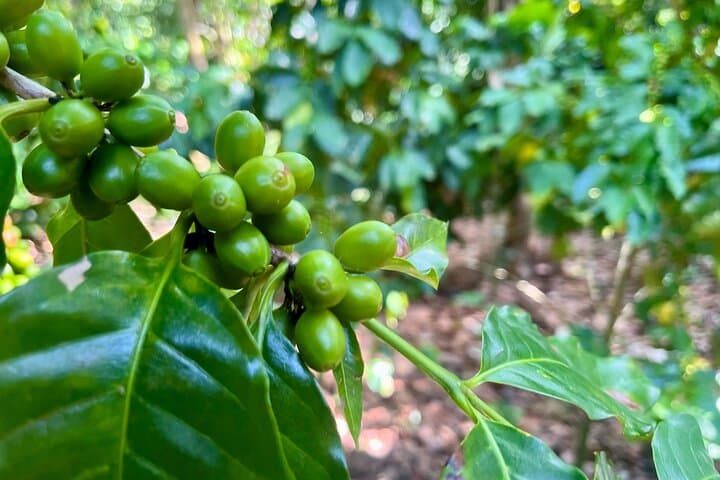
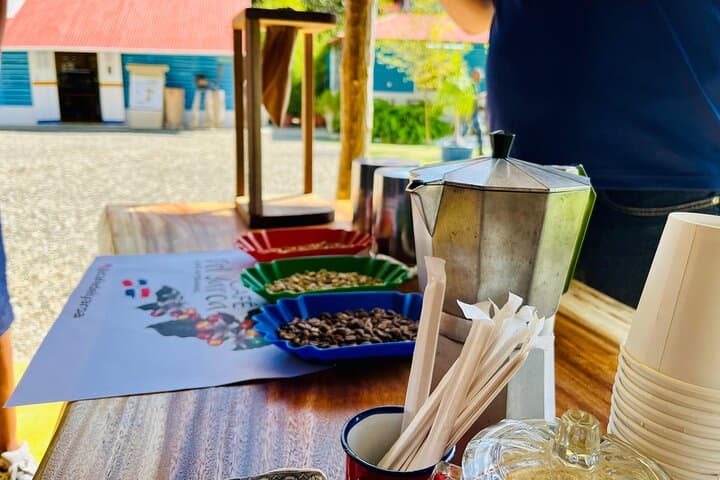
The guided portion covers the coffee lifecycle: field identification, pulping and washing demonstrations, and a hands-on tasting session where acidity, body and roast are put in clear contrast. Expect straightforward explanations and warm hospitality rather than theatrical spectacle.
Practical guidance: wear closed shoes for uneven farm paths, bring a light layer for variable mountain weather, and plan for a 4-hour window including transport. Hydrate before you climb and bring a small daypack for purchases — beans sold on site are often freshly roasted and will be warm. The experience is low-impact and accessible to most travelers, making it a good cultural stop for anyone curious about how a cup reaches their hands.
easy.
4 hours.
Suitable for most fitness levels; involves short walks on uneven farm terrain and minimal elevation change
The visit, including transport and a guided tasting, is about four hours total.
The operator notes wheelchair-accessible transportation; however terrain on the farm includes uneven surfaces—check accessibility specifics with the provider before booking.
Yes, freshly roasted beans are commonly sold on site; bring cash for small purchases and expect limited packaging options.
An authentic Dominican lunch is included as part of the experience, typically served family-style at the farm.
Coffee cultivation in the Cordillera Septentrional dates back centuries and has shaped settlement patterns and mountain agriculture in Puerto Plata province.
Small farms here often use shade-grown practices that support native bird habitat and reduce erosion; visitors can help by staying on paths and avoiding plastic waste.
Edgarprivatetours operates guided outdoor trips and adventures with an emphasis on safety, stewardship, and memorable experiences.
You arrive on a winding mountain road as clouds lift from the ridges and the air turns cool with the scent of green coffee cherries and earth. The drive up the Cordillera Septentrional feels deliberate — each hairpin reveals a new view across valleys and small wood-framed homes, until the family-run Café del Yaroa comes into focus: low buildings, drying patios and rows of shade trees that give the plantation its gentle rhythm.
You arrive on a winding mountain road as clouds lift from the ridges and the air turns cool with the scent of green coffee cherries and earth. The drive up the Cordillera Septentrional feels deliberate — each hairpin reveals a new view across valleys and small wood-framed homes, until the family-run Café del Yaroa comes into focus: low buildings, drying patios and rows of shade trees that give the plantation its gentle rhythm.
The farm follows island coffee traditions brought to the Dominican highlands in the 18th and 19th centuries; the slopes, formed from uplifted limestone and volcanic sediments, offer pockets of well-drained soils suited to Arabica varieties. Farmers here balance sun and shade, an agricultural culture shaped by generations who blend manual harvesting with on-site processing and open-air drying. Alongside coffee, you’ll see subsistence crops and the local domestic life that defines the mountain countryside.
The guided portion covers the coffee lifecycle: field identification, pulping and washing demonstrations, and a hands-on tasting session where acidity, body and roast are put in clear contrast. Expect straightforward explanations and warm hospitality rather than theatrical spectacle.
Practical guidance: wear closed shoes for uneven farm paths, bring a light layer for variable mountain weather, and plan for a 4-hour window including transport. Hydrate before you climb and bring a small daypack for purchases — beans sold on site are often freshly roasted and will be warm. The experience is low-impact and accessible to most travelers, making it a good cultural stop for anyone curious about how a cup reaches their hands.