THE ADVENTURE COLLECTIVE® · Independent discovery and booking for outdoor travel

Walk beneath Colombia’s wax palms on a guided trek from Salento. This day tour mixes cloud-forest hiking, birdwatching and a typical trout lunch, with routes adjusted to fit different fitness levels.
Walk beneath Colombia’s wax palms on a guided trek from Salento. This day tour mixes cloud-forest hiking, birdwatching and a typical trout lunch, with routes adjusted to fit different fitness levels.
A cool mist hangs low over the valley as you step off the dirt track and into a cathedral of wax palms — their trunks stretch like old columns into the cloud. The trail rises and falls across green slopes, opening intermittently to panoramic views of the Quindío Andes that demand a slow, careful inhale.
Verified experiences and guided adventures in the surrounding area.
Operated by Tours guiados por el Quindío · Salento, Quindío
A cool mist hangs low over the valley as you step off the dirt track and into a cathedral of wax palms — their trunks stretch like old columns into the cloud. The trail rises and falls across green slopes, opening intermittently to panoramic views of the Quindío Andes that demand a slow, careful inhale.
The Cocora Valley sits in the central Andes of Colombia, carved by glacial action and fed by highland cloud forest. The wax palm (Ceroxylon quindiuense), Colombia’s national tree, dominates here and carries cultural weight: it was once part of indigenous livelihoods and later became a protected icon. Geologically, you’ll cross volcanic soils and steep ridgelines; ecologically, the corridor bridges páramo and humid montane forest, a hotspot for hummingbirds, tanagers and the occasional Andean condor.
Local life centers on small coffee fincas and family-run eateries in Salento; typical lunch often features trout raised in nearby streams. Guides on these treks interpret both natural and cultural history while adjusting the route to group fitness—routes commonly vary around 10–14 km.
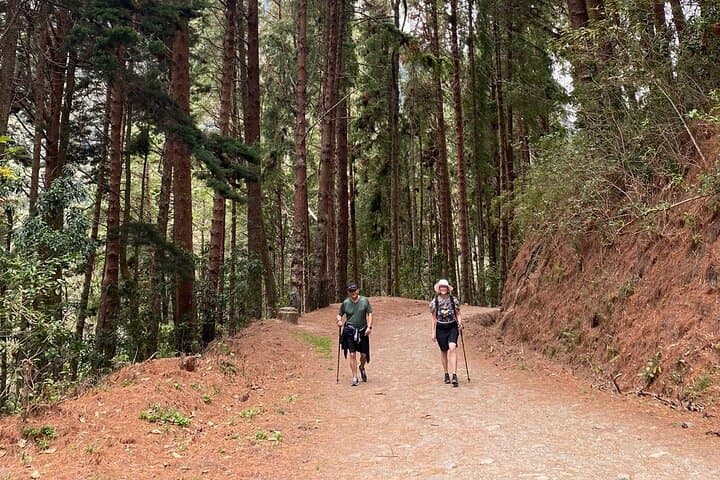
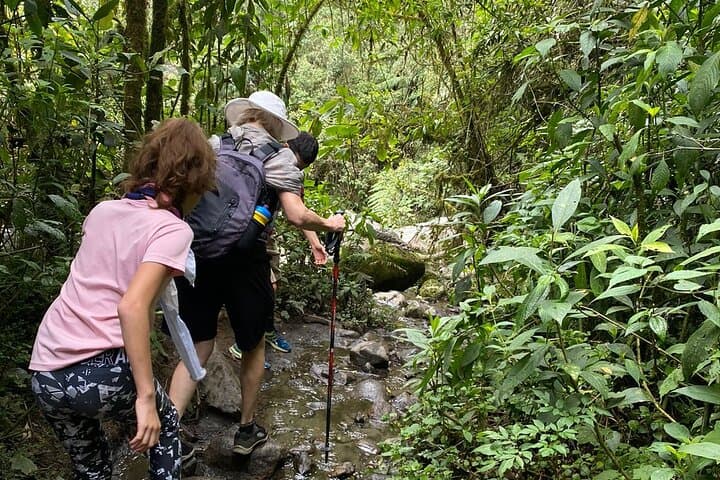
Practical guidance: expect muddy sections and short, steep pitches; bring sturdy footwear and a breathable rain layer. Start early to avoid afternoon showers and to catch active birdlife at dawn. Hydrate frequently at elevation and keep to marked trails to protect fragile páramo plants. If you have heart or knee issues, choose a shorter loop or travel by jeep to viewpoints. The reward is straightforward: towering palms, bright birds, and a trail that makes the Andes feel present and immediate.
moderate.
4–8 hours.
Moderate fitness; able to hike 10–14 km with short steep sections and uneven terrain.
The full outing can cover roughly 10–14 km with varying elevation and short steep sections; it’s rated moderate and guides adjust the route to group fitness.
Yes—people of many ages participate, but those with heart or knee problems should avoid the full trek; there are shorter options and jeep transfers to viewpoints.
Expect hummingbirds, Andean tanagers and other cloud-forest birds; sightings of the Andean condor are rare but possible.
The included lunch is a local trout dish with patacón and a drink; special menu items may incur extra cost paid by the traveler.
The wax palm dominated the high valleys and was traditionally used by indigenous groups; its protection in the 20th century reflects local conservation efforts and national recognition as Colombia’s tree.
Stick to marked trails to protect fragile páramo grasses and wax palm regeneration; local guides promote leave-no-trace practices and support community-based tourism.
Tours guiados por el Quindío operates guided outdoor trips and adventures with an emphasis on safety, stewardship, and memorable experiences.
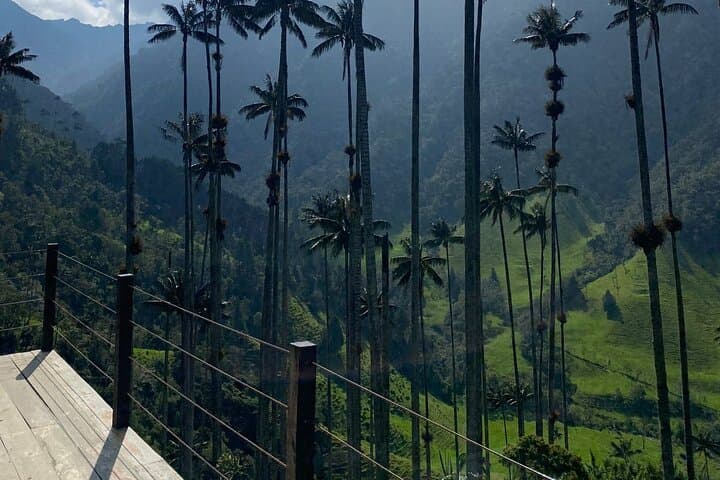
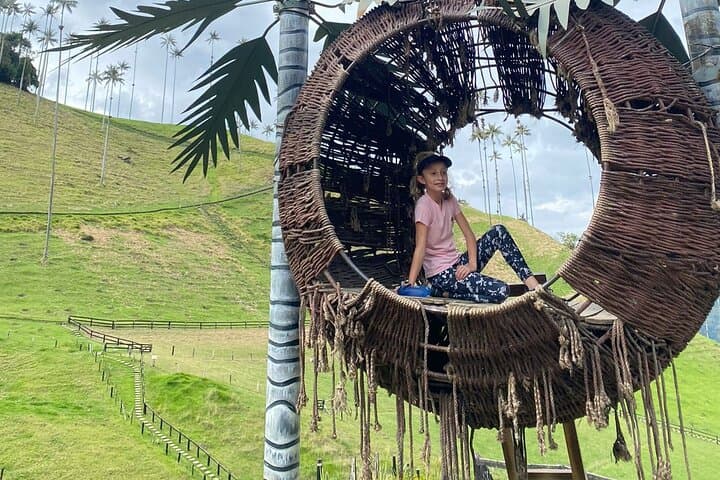
A cool mist hangs low over the valley as you step off the dirt track and into a cathedral of wax palms — their trunks stretch like old columns into the cloud. The trail rises and falls across green slopes, opening intermittently to panoramic views of the Quindío Andes that demand a slow, careful inhale.
A cool mist hangs low over the valley as you step off the dirt track and into a cathedral of wax palms — their trunks stretch like old columns into the cloud. The trail rises and falls across green slopes, opening intermittently to panoramic views of the Quindío Andes that demand a slow, careful inhale.
The Cocora Valley sits in the central Andes of Colombia, carved by glacial action and fed by highland cloud forest. The wax palm (Ceroxylon quindiuense), Colombia’s national tree, dominates here and carries cultural weight: it was once part of indigenous livelihoods and later became a protected icon. Geologically, you’ll cross volcanic soils and steep ridgelines; ecologically, the corridor bridges páramo and humid montane forest, a hotspot for hummingbirds, tanagers and the occasional Andean condor.
Local life centers on small coffee fincas and family-run eateries in Salento; typical lunch often features trout raised in nearby streams. Guides on these treks interpret both natural and cultural history while adjusting the route to group fitness—routes commonly vary around 10–14 km.
Practical guidance: expect muddy sections and short, steep pitches; bring sturdy footwear and a breathable rain layer. Start early to avoid afternoon showers and to catch active birdlife at dawn. Hydrate frequently at elevation and keep to marked trails to protect fragile páramo plants. If you have heart or knee issues, choose a shorter loop or travel by jeep to viewpoints. The reward is straightforward: towering palms, bright birds, and a trail that makes the Andes feel present and immediate.