THE ADVENTURE COLLECTIVE® · Independent discovery and booking for outdoor travel

Walk beneath Colombia’s towering wax palms, sip award-winning coffee in Salento, and go behind the scenes on a working coffee farm. This private full-day tour pairs a moderate valley hike with an immersive bean-to-cup experience.
Walk beneath Colombia’s towering wax palms, sip award-winning coffee in Salento, and go behind the scenes on a working coffee farm. This private full-day tour pairs a moderate valley hike with an immersive bean-to-cup experience.
Mist hangs low in the valley as the van drops you at the trailhead and the first wax palms pierce the mist like columns of another world. The path threads through cloud forest, grasslands, and silver-green stands of Colombia’s iconic Quindío wax palm — the tallest palm species on Earth — while the Andes press close and the air smells faintly of wet earth and roasted beans.
Verified experiences and guided adventures in the surrounding area.
Operated by COLOMBIA VIP - GUIDED TOURS · Salento, Quindío
Mist hangs low in the valley as the van drops you at the trailhead and the first wax palms pierce the mist like columns of another world. The path threads through cloud forest, grasslands, and silver-green stands of Colombia’s iconic Quindío wax palm — the tallest palm species on Earth — while the Andes press close and the air smells faintly of wet earth and roasted beans.
The Cocora Valley sits on the eastern slope of the Central Andes; its steep ridges were carved by glacial action and now cradle unique páramo and cloud-forest ecosystems. Salento’s colonial core — timber balconies, painted facades and a main plaza where coffee culture still sets the tempo — dates to 19th-century settlers who shaped the region’s agricultural identity. At a nearby finca you’ll move from soil to cup: planted beds, wet and dry-processing patios, and a guided cupping that reveals how altitude and varietal create flavor.
Expect a friendly, privately driven day: a short to moderate walk in the valley (rocky dirt trails, roughly 3–6 km depending on route, 100–300 m elevation change), a town stroll, and a 2–3 hour farm visit with hands-on explanation of processing and cupping. Weather shifts fast — mist becomes sun in an hour — so layers matter. Bring a refillable bottle, sturdy shoes, and a sense of pace; the guide acts as a landscape interpreter and handles logistics so you can focus on views and tasting notes.
Practical tip: combine early morning valley time (better light, fewer people) with an afternoon farm tour; the schedule yields the best light for photography and the most active coffee processing demonstrations.
moderate.
6–7 hours.
Moderate fitness—comfortable walking on uneven trails for 2–4 hours and short uphill sections
The typical short walk included is 2–4 km round trip on marked trails with 100–300 m of elevation change, depending on the route chosen.
Yes—most farm visits include guided explanations of planting, processing methods, and a cupping session; some farms allow supervised participation in basic tasks.
Salento and Cocora sit around 1,800–2,400 meters (5,900–7,900 ft), so expect thinner air and cooler temperatures than lowland Colombia.
This private tour typically includes private transportation and a local gastronomic lunch; confirm any dietary needs with your operator when booking.
The valley and surrounding pueblos grew with 19th-century coffee expansion; smallholder farms still operate with heirloom techniques alongside newer specialty producers.
Cocora sits adjacent to protected páramo and cloud forest; stick to trails, pack out waste, and support farms that practice shade-grown and water-conscious processing.
COLOMBIA VIP - GUIDED TOURS operates guided outdoor trips and adventures with an emphasis on safety, stewardship, and memorable experiences.
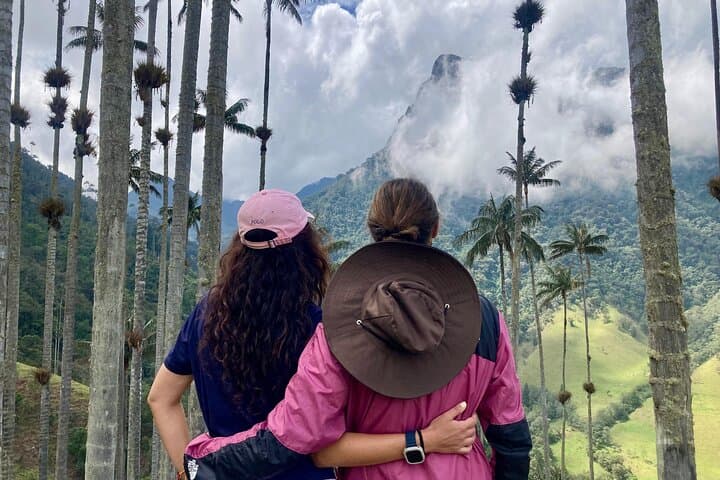
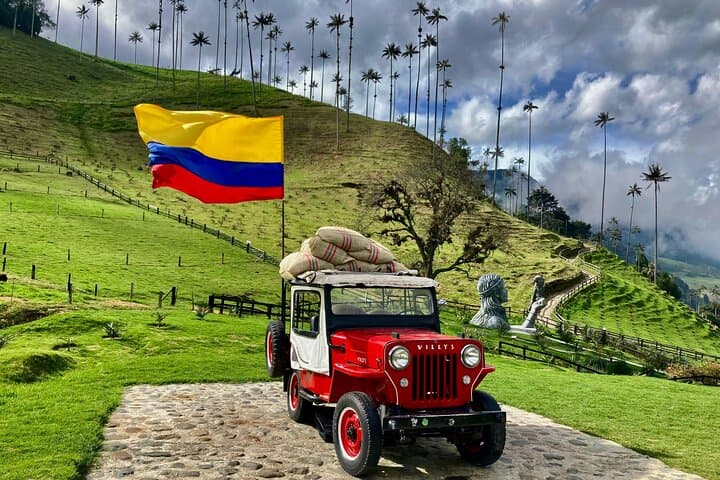

Mist hangs low in the valley as the van drops you at the trailhead and the first wax palms pierce the mist like columns of another world. The path threads through cloud forest, grasslands, and silver-green stands of Colombia’s iconic Quindío wax palm — the tallest palm species on Earth — while the Andes press close and the air smells faintly of wet earth and roasted beans.
Mist hangs low in the valley as the van drops you at the trailhead and the first wax palms pierce the mist like columns of another world. The path threads through cloud forest, grasslands, and silver-green stands of Colombia’s iconic Quindío wax palm — the tallest palm species on Earth — while the Andes press close and the air smells faintly of wet earth and roasted beans.
The Cocora Valley sits on the eastern slope of the Central Andes; its steep ridges were carved by glacial action and now cradle unique páramo and cloud-forest ecosystems. Salento’s colonial core — timber balconies, painted facades and a main plaza where coffee culture still sets the tempo — dates to 19th-century settlers who shaped the region’s agricultural identity. At a nearby finca you’ll move from soil to cup: planted beds, wet and dry-processing patios, and a guided cupping that reveals how altitude and varietal create flavor.
Expect a friendly, privately driven day: a short to moderate walk in the valley (rocky dirt trails, roughly 3–6 km depending on route, 100–300 m elevation change), a town stroll, and a 2–3 hour farm visit with hands-on explanation of processing and cupping. Weather shifts fast — mist becomes sun in an hour — so layers matter. Bring a refillable bottle, sturdy shoes, and a sense of pace; the guide acts as a landscape interpreter and handles logistics so you can focus on views and tasting notes.
Practical tip: combine early morning valley time (better light, fewer people) with an afternoon farm tour; the schedule yields the best light for photography and the most active coffee processing demonstrations.