THE ADVENTURE COLLECTIVE® · Independent discovery and booking for outdoor travel

Ride from Salento into the Cocora Valley on a guided, private horseback trip that threads wax-palmed ridges, river fords and cloud-forest viewpoints. This 2–3 hour excursion balances scenic highlights with practical logistics for first-time riders.
Ride from Salento into the Cocora Valley on a guided, private horseback trip that threads wax-palmed ridges, river fords and cloud-forest viewpoints. This 2–3 hour excursion balances scenic highlights with practical logistics for first-time riders.
A low-slung saddle creaks and the horse eases out of the stable as the valley unfolds: a canyon cut with green, tall columns of wax palms leaning like old sentries against a blue-gray sky. The ride begins from Salento’s edge and follows an unpaved track that climbs into the palms, threading river crossings where currents dare the horses forward and cloud-forest breathes cool mist over the trail.
Verified experiences and guided adventures in the surrounding area.
Operated by Cocoratours Valle de cocora · Salento, Quindío
A low-slung saddle creaks and the horse eases out of the stable as the valley unfolds: a canyon cut with green, tall columns of wax palms leaning like old sentries against a blue-gray sky. The ride begins from Salento’s edge and follows an unpaved track that climbs into the palms, threading river crossings where currents dare the horses forward and cloud-forest breathes cool mist over the trail.
The Cocora Valley sits on the eastern slope of the Central Andes, shaped by volcanic uplift and glacial sculpting; its signature Ceroxylon quindiuense (wax palm) is Colombia’s national tree and the valley’s biological symbol. The route passes viewpoint “Las Alas,” a cultural stop where locals once moved cattle through high pastures; today the valley blends smallholder farms, coffee plots and protected forest.
Expect varied terrain: soft dirt tracks, a steady climb on a horse-friendly trail, several shallow river fords and a rocky stone ascent back toward the stable. The ride concentrates on landscape and biodiversity—hummingbirds and tanagers flit near bromeliads while cloud drifts thread the trees.
Practical guidance: wear closed-toe shoes, bring a waterproof layer and sun protection, and carry water and any personal medications. The tour is private, guided in English or Spanish, lasts roughly two to three hours, and includes entrances and basic insurance. Riders with back or heart issues, or pregnancy, should avoid this activity. Arrive in Salento early to allow for transport and acclimatization—at 1,800–2,400 m elevation, the air is thinner and weather can change quickly.
easy.
2–3 hours.
Suitable for most people who can sit on a horse for up to two hours and manage gentle climbs; not strenuous but requires basic balance.
The guided ride is about 1 hour 40 minutes within a 2–3 hour tour that includes transfers, viewpoints and short stops.
No—this tour is suitable for beginners, but you should be comfortable sitting in a saddle and following the guide’s instructions.
Yes, the trail crosses shallow rivers several times; horses are experienced with these fords, but expect damp footing.
Infants must sit on laps; the tour is not recommended for pregnant travelers or those with spinal/serious heart conditions.
The valley’s wax palms were once widely cut for agriculture; protection efforts and national recognition of the wax palm helped spur conservation and tourism in the 20th century.
Stick to marked trails, avoid feeding wildlife, and support local guides—the region balances fragile cloud-forest habitat with community livelihoods.
Cocoratours Valle de cocora operates guided outdoor trips and adventures with an emphasis on safety, stewardship, and memorable experiences.
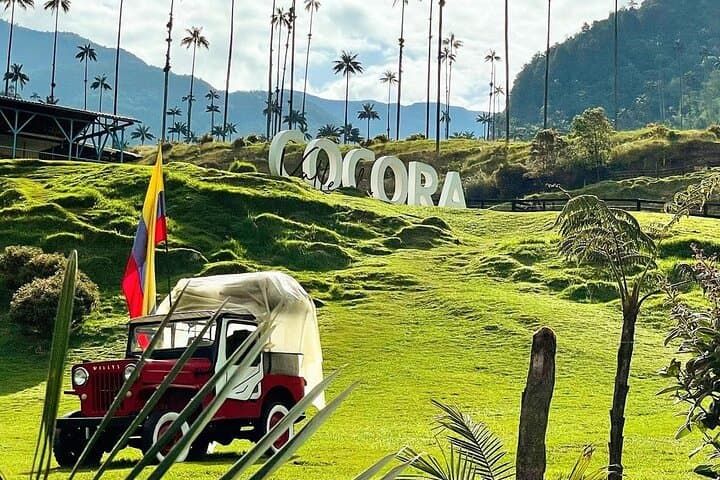
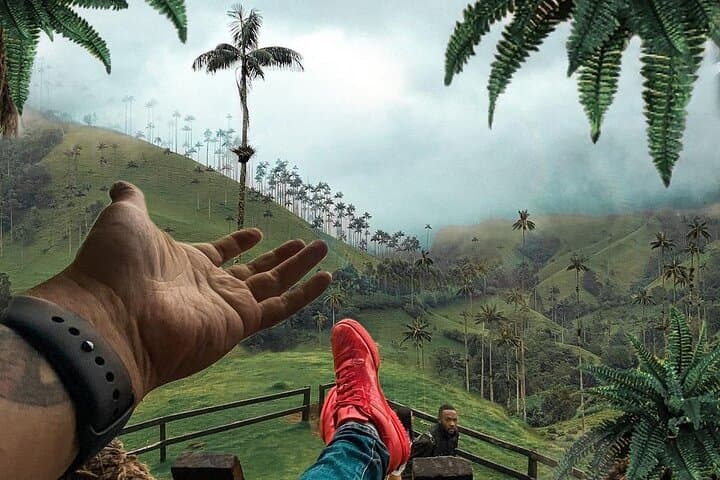
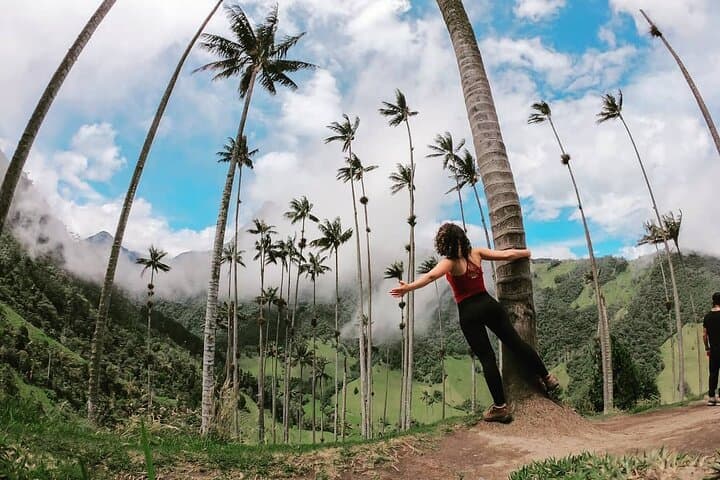
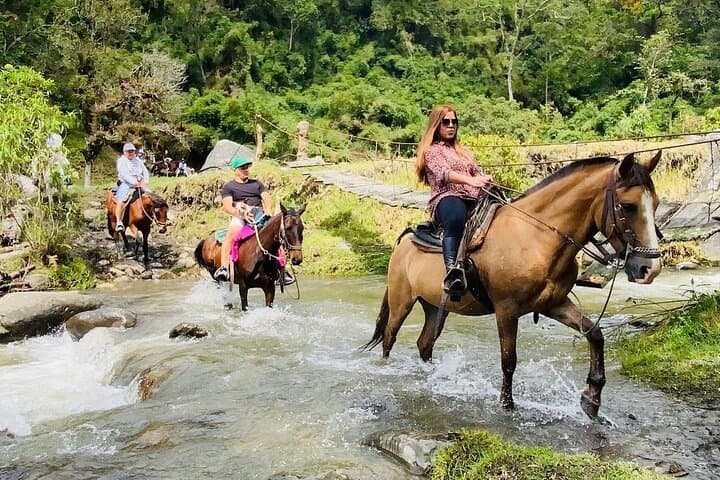
A low-slung saddle creaks and the horse eases out of the stable as the valley unfolds: a canyon cut with green, tall columns of wax palms leaning like old sentries against a blue-gray sky. The ride begins from Salento’s edge and follows an unpaved track that climbs into the palms, threading river crossings where currents dare the horses forward and cloud-forest breathes cool mist over the trail.
A low-slung saddle creaks and the horse eases out of the stable as the valley unfolds: a canyon cut with green, tall columns of wax palms leaning like old sentries against a blue-gray sky. The ride begins from Salento’s edge and follows an unpaved track that climbs into the palms, threading river crossings where currents dare the horses forward and cloud-forest breathes cool mist over the trail.
The Cocora Valley sits on the eastern slope of the Central Andes, shaped by volcanic uplift and glacial sculpting; its signature Ceroxylon quindiuense (wax palm) is Colombia’s national tree and the valley’s biological symbol. The route passes viewpoint “Las Alas,” a cultural stop where locals once moved cattle through high pastures; today the valley blends smallholder farms, coffee plots and protected forest.
Expect varied terrain: soft dirt tracks, a steady climb on a horse-friendly trail, several shallow river fords and a rocky stone ascent back toward the stable. The ride concentrates on landscape and biodiversity—hummingbirds and tanagers flit near bromeliads while cloud drifts thread the trees.
Practical guidance: wear closed-toe shoes, bring a waterproof layer and sun protection, and carry water and any personal medications. The tour is private, guided in English or Spanish, lasts roughly two to three hours, and includes entrances and basic insurance. Riders with back or heart issues, or pregnancy, should avoid this activity. Arrive in Salento early to allow for transport and acclimatization—at 1,800–2,400 m elevation, the air is thinner and weather can change quickly.