THE ADVENTURE COLLECTIVE® · Independent discovery and booking for outdoor travel

Walk under the tallest wax palms in the world, explore colonial Salento and watch artisans in Filandia on this 5‑hour day tour through Colombia’s Coffee Axis. Early starts, layered clothing and cash for crafts make for the best experience.
Walk under the tallest wax palms in the world, explore colonial Salento and watch artisans in Filandia on this 5‑hour day tour through Colombia’s Coffee Axis. Early starts, layered clothing and cash for crafts make for the best experience.
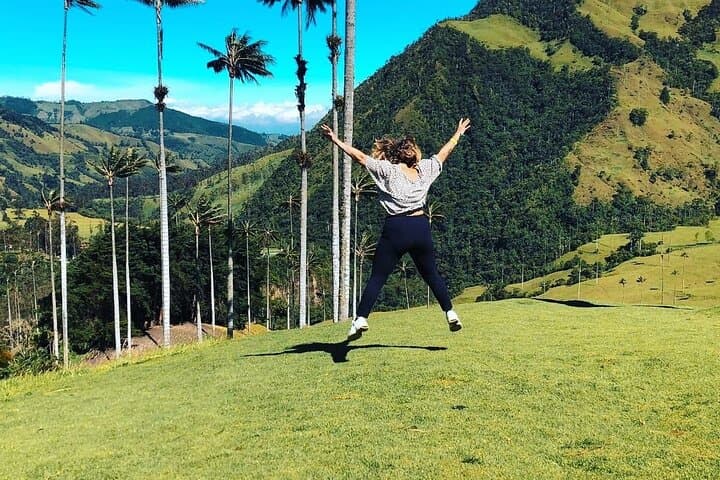
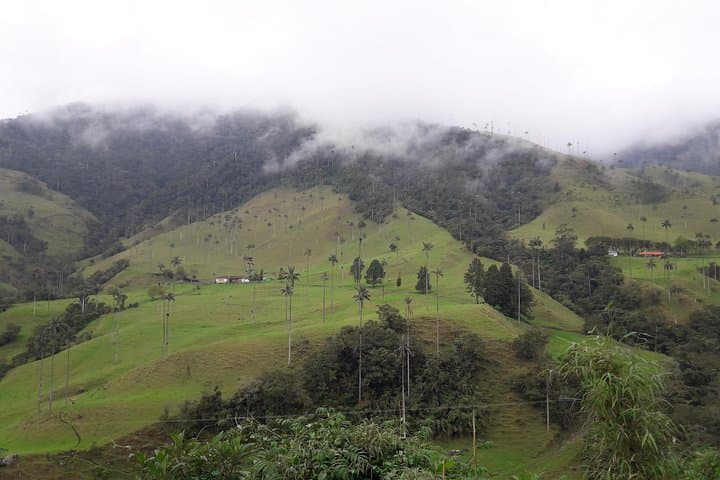
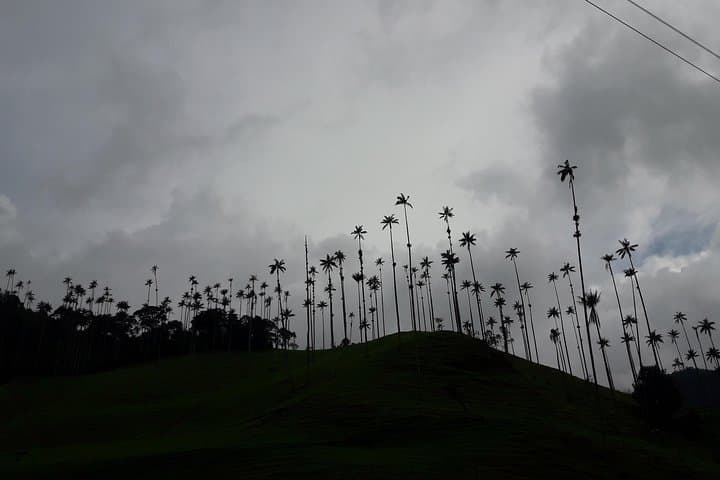
Misty light filters through a stand of wax palms as you step onto the trail—giant trunks reaching like columns through low clouds, leaves whispering above. The valley floor slopes gently between ridgelines, streams threading bright against green ferns, and the trail alternates between packed dirt and soft mud. That first hour sets the tone: nature is both deliberate and immediate, daring you into the open glades of Colombia’s Coffee Axis.
Verified experiences and guided adventures in the surrounding area.
Operated by Recreatur SC · Salento, Quindío
Misty light filters through a stand of wax palms as you step onto the trail—giant trunks reaching like columns through low clouds, leaves whispering above. The valley floor slopes gently between ridgelines, streams threading bright against green ferns, and the trail alternates between packed dirt and soft mud. That first hour sets the tone: nature is both deliberate and immediate, daring you into the open glades of Colombia’s Coffee Axis.
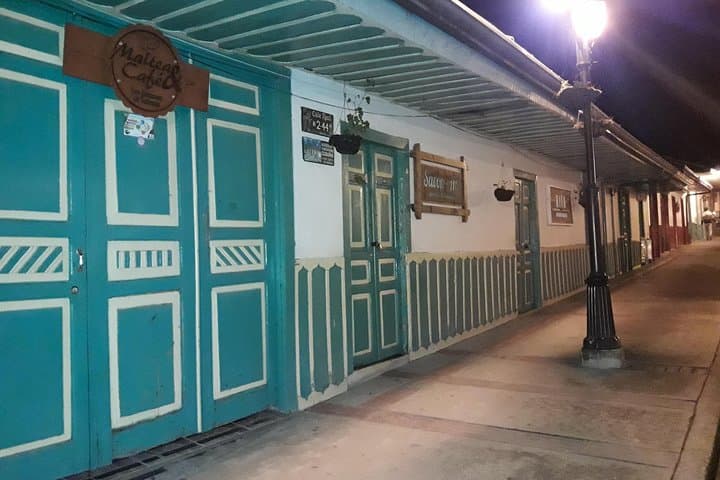
The Cocora Valley sits on the eastern slopes of the Central Andes, shaped by uplift and glacial carving; the wax palm (Ceroxylon quindiuense) grows here taller than anywhere else and is Colombia’s national tree. Salento and Filandia are colonial-era towns influenced by Antioquian settlers and coffee booms of the 19th–20th centuries; their narrow streets, colorful facades and artisanal workshops reflect that history. In Filandia, basketry remains a living craft and the Mirador de la Colina offers broad views across cultivated hills.
Practical guidance: this is a moderate, mostly well-marked day outing (about 5 hours total including transfers). Trails in the valley can be muddy—choose grippy footwear and a light rain layer. Start early for clearer skies and bird activity, bring cash for small craft stalls and a refillable water bottle. Expect cool mornings (1,500–2,400 m elevation) and rapidly changing weather; layered clothing and sun protection are essential.
Plan for a steady pace, allow extra time for photos and a short visit to a local finca. Respect marked paths when visiting wax palm stands and support local guides who help conserve this fragile highland ecosystem.
moderate.
5 hours.
Moderate fitness—able to walk 6–8 km over uneven terrain and short inclines.
The typical walking loop through the main wax palm groves and viewpoints covers roughly 4–6 km round-trip depending on route choices and side trails.
Parts of the valley have uneven, muddy sections and stairs; children can manage with supervision but strollers are not practical on the main paths.
Yes—travel through coffee country with views of cultivated hills and many operators include a short stop at a finca or viewpoint to explain local coffee culture.
The wax palm is Colombia’s national tree and conservation efforts are active; some tours include a supervised planting activity with local projects—follow guides’ instructions to avoid damaging roots or habitat.
Salento and Filandia grew during the Antioquian colonization and coffee expansion of the 19th–20th centuries; their architecture and crafts reflect that rural coffee heritage.
The wax palm ecosystem is fragile and recovering; stick to trails, avoid disturbing seedlings, and support local conservation initiatives when possible.
Recreatur SC operates guided outdoor trips and adventures with an emphasis on safety, stewardship, and memorable experiences.
Misty light filters through a stand of wax palms as you step onto the trail—giant trunks reaching like columns through low clouds, leaves whispering above. The valley floor slopes gently between ridgelines, streams threading bright against green ferns, and the trail alternates between packed dirt and soft mud. That first hour sets the tone: nature is both deliberate and immediate, daring you into the open glades of Colombia’s Coffee Axis.
Misty light filters through a stand of wax palms as you step onto the trail—giant trunks reaching like columns through low clouds, leaves whispering above. The valley floor slopes gently between ridgelines, streams threading bright against green ferns, and the trail alternates between packed dirt and soft mud. That first hour sets the tone: nature is both deliberate and immediate, daring you into the open glades of Colombia’s Coffee Axis.
The Cocora Valley sits on the eastern slopes of the Central Andes, shaped by uplift and glacial carving; the wax palm (Ceroxylon quindiuense) grows here taller than anywhere else and is Colombia’s national tree. Salento and Filandia are colonial-era towns influenced by Antioquian settlers and coffee booms of the 19th–20th centuries; their narrow streets, colorful facades and artisanal workshops reflect that history. In Filandia, basketry remains a living craft and the Mirador de la Colina offers broad views across cultivated hills.
Practical guidance: this is a moderate, mostly well-marked day outing (about 5 hours total including transfers). Trails in the valley can be muddy—choose grippy footwear and a light rain layer. Start early for clearer skies and bird activity, bring cash for small craft stalls and a refillable water bottle. Expect cool mornings (1,500–2,400 m elevation) and rapidly changing weather; layered clothing and sun protection are essential.
Plan for a steady pace, allow extra time for photos and a short visit to a local finca. Respect marked paths when visiting wax palm stands and support local guides who help conserve this fragile highland ecosystem.