THE ADVENTURE COLLECTIVE® · Independent discovery and booking for outdoor travel

Explore the dome-like Coconá caves and the colonial village of Tapijulapa on a full-day trip from Villahermosa. Expect cave pools, stalactite formations, a short zip line, and a chance to shop local wicker crafts.
Explore the dome-like Coconá caves and the colonial village of Tapijulapa on a full-day trip from Villahermosa. Expect cave pools, stalactite formations, a short zip line, and a chance to shop local wicker crafts.
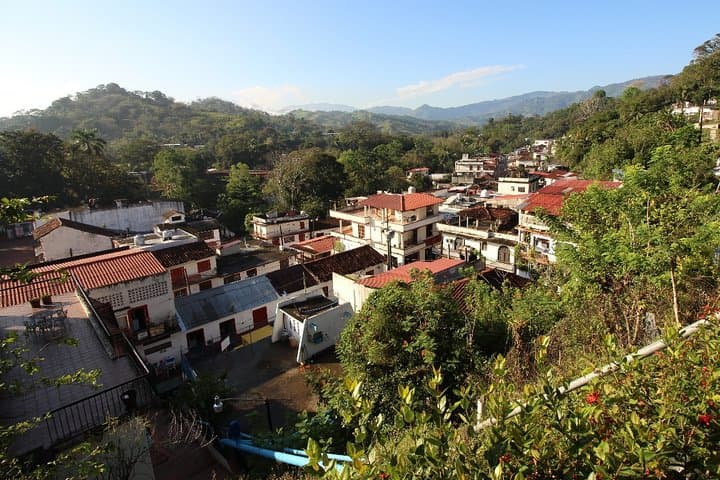
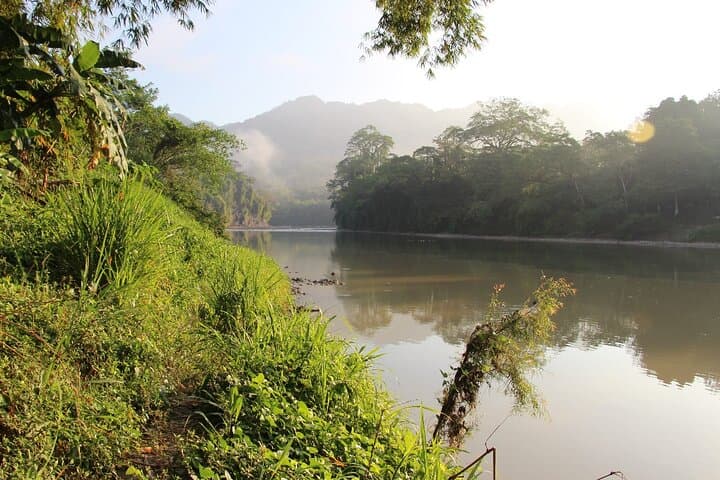
Morning fog breaks over the Tabascan foothills as the road drops toward a cluster of karst ridges; by midmorning you step out at Coconá and the air smells of wet stone and green growth.
Verified experiences and guided adventures in the surrounding area.
Operated by Mexitours · Tapijulapa, Tabasco
Morning fog breaks over the Tabascan foothills as the road drops toward a cluster of karst ridges; by midmorning you step out at Coconá and the air smells of wet stone and green growth.
The cave opens into a near-perfect dome where dripping walls have sculpted curtains of stalactites and stalagmites around a clear, cool lake. Pockets of sky puncture the roof above, and small waterfalls stitch the limestone into channels that seem to push sound back at you. After time in the grotto there’s a short trek uphill to a zip line that sends you across the ridge—a quick, airborne view of the forested folds surrounding Tapijulapa.
Geology here is straightforward karst: soluble limestone worn by rain and underground streams over millennia, creating caverns, sinkholes, and the dome that shelters the lake. Tapijulapa itself is a colonial-era village with a 17th-century church dedicated to Saint James and a local craft tradition in wickerwork and handwoven goods.
Plan for an 8–9 hour day from Villahermosa with moderate walking on uneven trails and damp cave floors. Wear closed-toe shoes with good grip, bring 2L of water, insect repellent, and a lightweight rain layer—tropical weather can shift quickly. Respect the cave: avoid touching formations, keep voices low to preserve wildlife, and follow guides’ instructions for ziplines or rappels. The trip balances sensory surprises—cool grotto air, splash of waterfalls—with practical logistics: transfers, a guided walk, and time to browse Tapijulapa’s artisanal stalls before returning to Villahermosa.
moderate.
8–9 hours.
Moderate fitness; able to walk short uphill sections, navigate uneven and sometimes slippery surfaces, and tolerate a half-day of activity.
Door-to-door the tour runs about 8–9 hours, including transport, time in the caves, the zip line, and a visit to Tapijulapa.
Swimming is generally not permitted to protect the fragile cave ecosystem and for safety; follow your guide’s instructions.
The itinerary is marketed for all fitness levels, but cave terrain and zip line elements may be challenging for very young children or those with limited mobility—check with the operator for age limits.
Some tours are multilingual or provide guides who speak basic English, but Spanish is the dominant language; confirm language needs when booking.
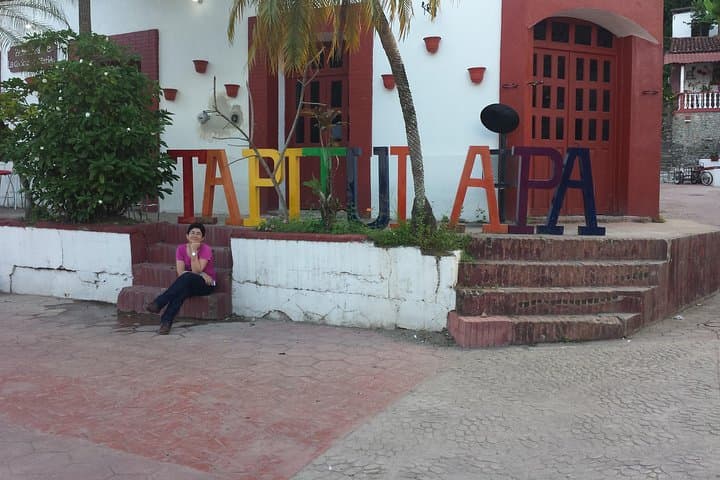
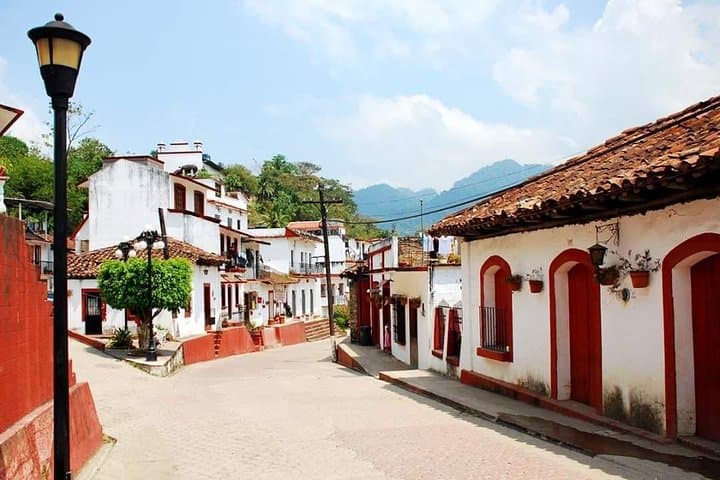
Tapijulapa grew around a 17th-century church and preserves colonial architecture alongside indigenous craft traditions; the caves reflect the region’s karst geology shaped over millennia.
Cave and karst systems are sensitive—stay on trails, avoid touching formations, and support local guides who practice low-impact tourism.
Mexitours operates guided outdoor trips and adventures with an emphasis on safety, stewardship, and memorable experiences.
Morning fog breaks over the Tabascan foothills as the road drops toward a cluster of karst ridges; by midmorning you step out at Coconá and the air smells of wet stone and green growth.
Morning fog breaks over the Tabascan foothills as the road drops toward a cluster of karst ridges; by midmorning you step out at Coconá and the air smells of wet stone and green growth.
The cave opens into a near-perfect dome where dripping walls have sculpted curtains of stalactites and stalagmites around a clear, cool lake. Pockets of sky puncture the roof above, and small waterfalls stitch the limestone into channels that seem to push sound back at you. After time in the grotto there’s a short trek uphill to a zip line that sends you across the ridge—a quick, airborne view of the forested folds surrounding Tapijulapa.
Geology here is straightforward karst: soluble limestone worn by rain and underground streams over millennia, creating caverns, sinkholes, and the dome that shelters the lake. Tapijulapa itself is a colonial-era village with a 17th-century church dedicated to Saint James and a local craft tradition in wickerwork and handwoven goods.
Plan for an 8–9 hour day from Villahermosa with moderate walking on uneven trails and damp cave floors. Wear closed-toe shoes with good grip, bring 2L of water, insect repellent, and a lightweight rain layer—tropical weather can shift quickly. Respect the cave: avoid touching formations, keep voices low to preserve wildlife, and follow guides’ instructions for ziplines or rappels. The trip balances sensory surprises—cool grotto air, splash of waterfalls—with practical logistics: transfers, a guided walk, and time to browse Tapijulapa’s artisanal stalls before returning to Villahermosa.