THE ADVENTURE COLLECTIVE® · Independent discovery and booking for outdoor travel

Trace South India from Kochi’s historic waterfront to Bangalore’s colonial boulevards: houseboats on Alleppey backwaters, tea-scented hills of Munnar, wildlife on Periyar Lake, and grand Dravidian temples. This 12-day route blends nature, culture and practical travel rhythms.
Trace South India from Kochi’s historic waterfront to Bangalore’s colonial boulevards: houseboats on Alleppey backwaters, tea-scented hills of Munnar, wildlife on Periyar Lake, and grand Dravidian temples. This 12-day route blends nature, culture and practical travel rhythms.
A salt wind and the steady slap of oars greet travelers arriving in Cochin, where Portuguese-era lanes open onto a waterfront threaded with Chinese fishing nets. From this coastal outset the route pushes inland—houseboats cutting a slow line through Alleppey’s palm-laced canals, mist lifting off Munnar’s tea slopes, and temple gopurams rising above the market noise of Madurai. The itinerary reads like a shifting landscape: mangroves and paddy in the lowlands, humid evergreen at Periyar, and cool Nilgiri ridgelines where British-era tea bungalows mark the horizon.
Verified experiences and guided adventures in the surrounding area.
Operated by Agora Voyages Pvt. Ltd. · Kochi, Kerala
A salt wind and the steady slap of oars greet travelers arriving in Cochin, where Portuguese-era lanes open onto a waterfront threaded with Chinese fishing nets. From this coastal outset the route pushes inland—houseboats cutting a slow line through Alleppey’s palm-laced canals, mist lifting off Munnar’s tea slopes, and temple gopurams rising above the market noise of Madurai. The itinerary reads like a shifting landscape: mangroves and paddy in the lowlands, humid evergreen at Periyar, and cool Nilgiri ridgelines where British-era tea bungalows mark the horizon.
Historically this corridor was a crossroads of spice trade and colonial power; Fort Cochin still wears Dutch, Portuguese and British marks. Geologically the Western Ghats—an ancient mountain chain—force monsoon rains that sculpt deep valleys and sustain the area’s biodiversity. Culturally the journey moves from Kathakali and Kalaripayyattu performances to ritual Aarti at Meenakshi Temple and the Indo-Saracenic elegance of Mysore Palace.
Practically, expect varied pacing: slow, contemplative hours on a houseboat; short wildlife boat safaris on Periyar Lake; and moderate walking at viewpoints and temple complexes. Pack layered clothing for humid lowlands and cool hill stations, a daypack for temple visits, and a rain shell during the monsoon months. Hydrate frequently—local bottled water is standard—and leave single-use plastics behind when visiting protected areas. Travel between points is by private AC vehicle; plan for road times of 2–5 hours on several days. For travelers who want both nature and culture, this is a compact way to sample South India’s contrasting landscapes with practical comfort and intentional pace.
moderate.
12 days.
Moderate fitness for short walks, temple steps and occasional uneven paths; not strenuous but expect prolonged travel days.
Yes—houseboats typically have private cabins, toilets and a chef on board; check specific boat amenities and bedding for children when booking.
Many monument entrances listed in the itinerary are included; local English-speaking guides accompany sightseeing days as specified.
Hotels and houseboats usually cater to common dietary needs—notify operators in advance to arrange vegetarian or allergy-specific meals.
Expect moderate walking and stairs at major temples and viewpoints; most sites have places to rest and options for shorter visits.
This route follows historic spice and tea trade corridors; Fort Cochin and the Nilgiris bear marks of colonial-era commerce and governance.
Periyar and tea hill ecosystems are protected—follow no-trace principles, avoid single-use plastics, and use licensed guides for wildlife viewing to minimize disturbance.
Agora Voyages Pvt. Ltd. operates guided outdoor trips and adventures with an emphasis on safety, stewardship, and memorable experiences.
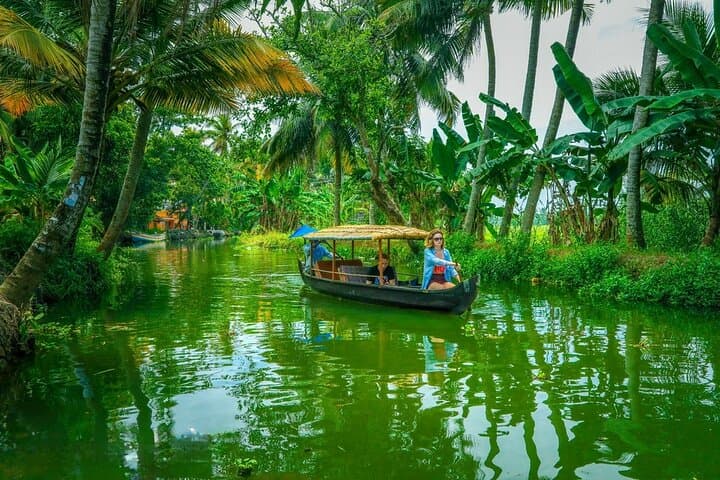
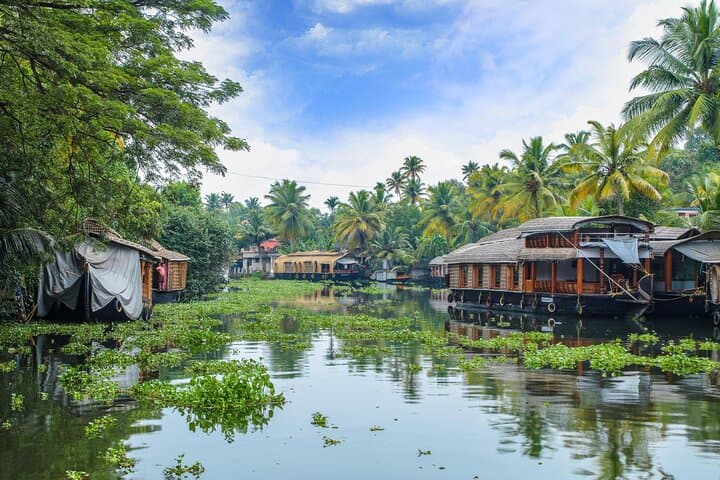
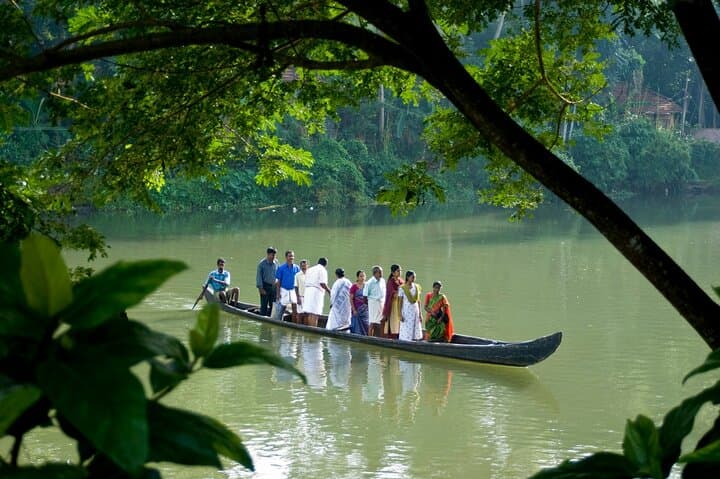
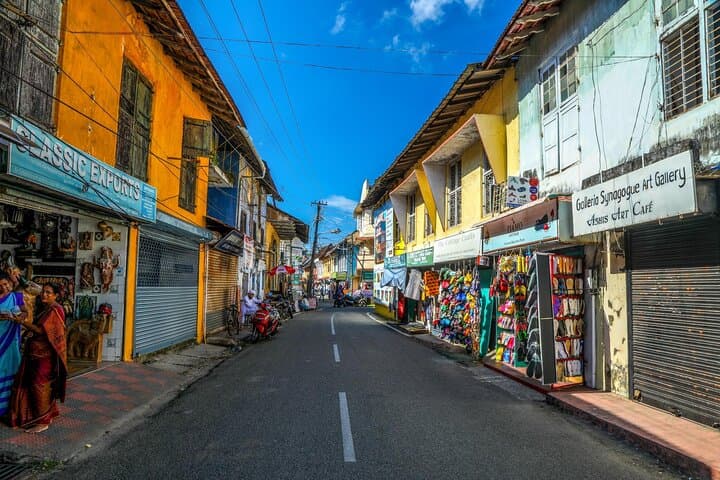
A salt wind and the steady slap of oars greet travelers arriving in Cochin, where Portuguese-era lanes open onto a waterfront threaded with Chinese fishing nets. From this coastal outset the route pushes inland—houseboats cutting a slow line through Alleppey’s palm-laced canals, mist lifting off Munnar’s tea slopes, and temple gopurams rising above the market noise of Madurai. The itinerary reads like a shifting landscape: mangroves and paddy in the lowlands, humid evergreen at Periyar, and cool Nilgiri ridgelines where British-era tea bungalows mark the horizon.
A salt wind and the steady slap of oars greet travelers arriving in Cochin, where Portuguese-era lanes open onto a waterfront threaded with Chinese fishing nets. From this coastal outset the route pushes inland—houseboats cutting a slow line through Alleppey’s palm-laced canals, mist lifting off Munnar’s tea slopes, and temple gopurams rising above the market noise of Madurai. The itinerary reads like a shifting landscape: mangroves and paddy in the lowlands, humid evergreen at Periyar, and cool Nilgiri ridgelines where British-era tea bungalows mark the horizon.
Historically this corridor was a crossroads of spice trade and colonial power; Fort Cochin still wears Dutch, Portuguese and British marks. Geologically the Western Ghats—an ancient mountain chain—force monsoon rains that sculpt deep valleys and sustain the area’s biodiversity. Culturally the journey moves from Kathakali and Kalaripayyattu performances to ritual Aarti at Meenakshi Temple and the Indo-Saracenic elegance of Mysore Palace.
Practically, expect varied pacing: slow, contemplative hours on a houseboat; short wildlife boat safaris on Periyar Lake; and moderate walking at viewpoints and temple complexes. Pack layered clothing for humid lowlands and cool hill stations, a daypack for temple visits, and a rain shell during the monsoon months. Hydrate frequently—local bottled water is standard—and leave single-use plastics behind when visiting protected areas. Travel between points is by private AC vehicle; plan for road times of 2–5 hours on several days. For travelers who want both nature and culture, this is a compact way to sample South India’s contrasting landscapes with practical comfort and intentional pace.