THE ADVENTURE COLLECTIVE® · Independent discovery and booking for outdoor travel

Spend a day from Quito exploring Cochasquí’s flat-topped pyramids, a working rose plantation and the Quitsato sundial at the equator. This private full-day tour mixes light hiking, cultural history and volcano-lined views.
Spend a day from Quito exploring Cochasquí’s flat-topped pyramids, a working rose plantation and the Quitsato sundial at the equator. This private full-day tour mixes light hiking, cultural history and volcano-lined views.
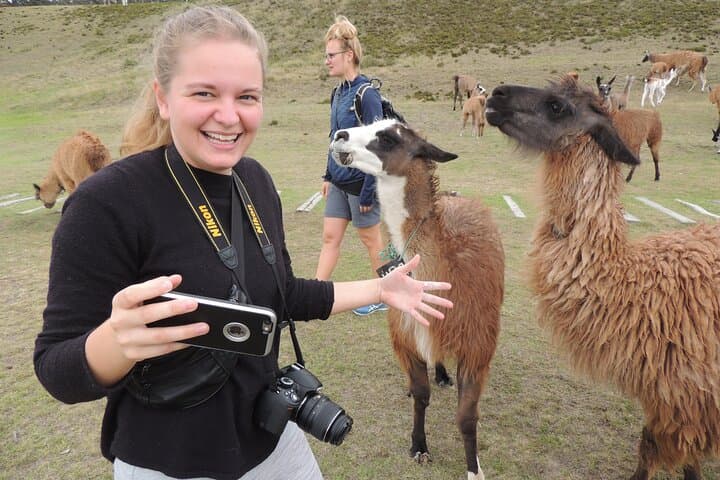
You step out of the van at dawn and the highland air snaps your lungs awake: a sweep of green fields interrupted by low, flat-topped mounds that rise like deliberate gestures across the valley. The Cochasquí site spreads in front of you — fifteen earthen pyramids, stone tolas and grazing llamas — with the Avenue of the Volcanoes sketching the skyline.
Verified experiences and guided adventures in the surrounding area.
Operated by Ecuador Best Tours · Tabacundo, Pichincha
You step out of the van at dawn and the highland air snaps your lungs awake: a sweep of green fields interrupted by low, flat-topped mounds that rise like deliberate gestures across the valley. The Cochasquí site spreads in front of you — fifteen earthen pyramids, stone tolas and grazing llamas — with the Avenue of the Volcanoes sketching the skyline.
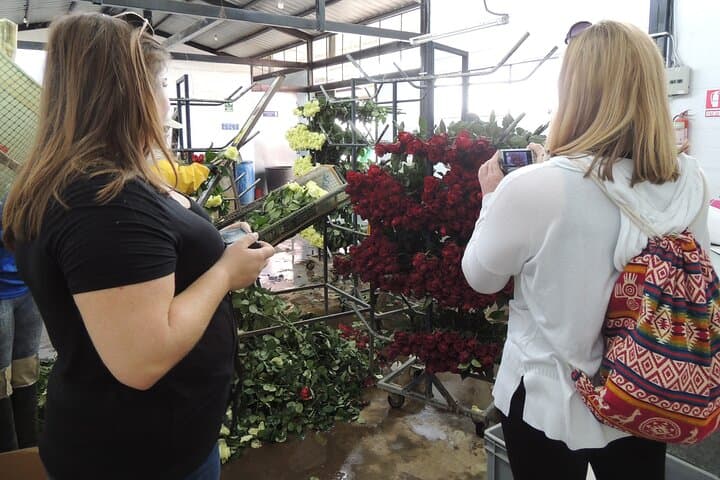
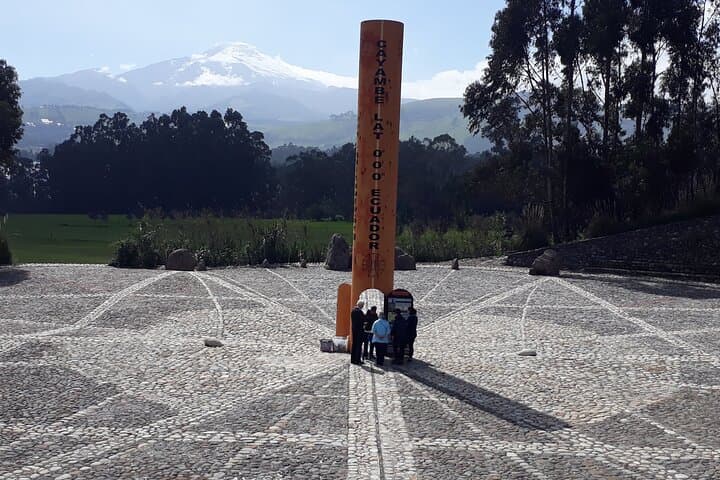
The site is a window into the Caranqui culture (circa 850 B.C.–1550 A.D.), builders of ceremonial platforms and astronomical observatories fashioned from volcanic tuff. Geology here is active: pumice-rich soils and distant smokers of ice-capped volcanoes shape agriculture and views. The day tour stitches together local industry and identity — a taught walk through a working rose plantation, a practical demonstration of Ecuador’s export economy, then a stop at Quitsato’s large stone sundial where the equator is measured with simple, revealing geometry.
Expect easy trails with short climbs across grassy terraces and loose volcanic soil; llamas may pad by, indifferent and curious. Weather flips fast at 2,800–3,000 m altitude: sun, wind and sudden showers can arrive in an hour.
Practical guidance: acclimatize in Quito the day before, bring layers and sun protection, carry water and small change for local stalls, and wear sturdy shoes with good traction. The tour runs 7–8 hours with private transport and a certified guide; admission and lunch are typically not included. It’s a compact, varied day that pairs archaeology, agriculture and an unmistakable line on the map — the equator — into one readable, highland experience.
moderate.
7–8 hours.
Light to moderate fitness; comfortable walking for several short hikes at high altitude.
Yes—routes are relatively easy with short walks; however, consider altitude and mobility limitations and request infant seats or specific pickup needs at booking.
Typical inclusions are private transport and a certified guide; entrance fees and lunch are generally not included—bring cash for meals and site fees.
Expect several short hikes totaling 1–2 hours on uneven, low-gradient terrain across the archaeological complex and nearby trails.
Mild symptoms can occur; acclimatize in Quito, stay hydrated, avoid heavy exertion the first day and inform the guide of any health issues.
Cochasquí was built by the Caranqui people (c. 850 B.C.–1550 A.D.) who used flat-topped pyramids and artificial hills called tolas for ceremonies and burials.
Erosion and foot traffic threaten the earthen pyramids; stick to designated paths, support local guides and avoid disturbing archaeological features.
Ecuador Best Tours operates guided outdoor trips and adventures with an emphasis on safety, stewardship, and memorable experiences.

You step out of the van at dawn and the highland air snaps your lungs awake: a sweep of green fields interrupted by low, flat-topped mounds that rise like deliberate gestures across the valley. The Cochasquí site spreads in front of you — fifteen earthen pyramids, stone tolas and grazing llamas — with the Avenue of the Volcanoes sketching the skyline.
You step out of the van at dawn and the highland air snaps your lungs awake: a sweep of green fields interrupted by low, flat-topped mounds that rise like deliberate gestures across the valley. The Cochasquí site spreads in front of you — fifteen earthen pyramids, stone tolas and grazing llamas — with the Avenue of the Volcanoes sketching the skyline.
The site is a window into the Caranqui culture (circa 850 B.C.–1550 A.D.), builders of ceremonial platforms and astronomical observatories fashioned from volcanic tuff. Geology here is active: pumice-rich soils and distant smokers of ice-capped volcanoes shape agriculture and views. The day tour stitches together local industry and identity — a taught walk through a working rose plantation, a practical demonstration of Ecuador’s export economy, then a stop at Quitsato’s large stone sundial where the equator is measured with simple, revealing geometry.
Expect easy trails with short climbs across grassy terraces and loose volcanic soil; llamas may pad by, indifferent and curious. Weather flips fast at 2,800–3,000 m altitude: sun, wind and sudden showers can arrive in an hour.
Practical guidance: acclimatize in Quito the day before, bring layers and sun protection, carry water and small change for local stalls, and wear sturdy shoes with good traction. The tour runs 7–8 hours with private transport and a certified guide; admission and lunch are typically not included. It’s a compact, varied day that pairs archaeology, agriculture and an unmistakable line on the map — the equator — into one readable, highland experience.