THE ADVENTURE COLLECTIVE® · Independent discovery and booking for outdoor travel

Walk through century-old coffee terraces outside Cobán with Mayan Q'eqchi' guides, see the full production process, and taste freshly processed beans. This half-day shared tour blends hands-on learning with cultural context and includes hotel pickup.
Walk through century-old coffee terraces outside Cobán with Mayan Q'eqchi' guides, see the full production process, and taste freshly processed beans. This half-day shared tour blends hands-on learning with cultural context and includes hotel pickup.
Mist hangs low over the plantation as your van eases off the highway toward Chicoj, coffee cherries glowing like small suns under the canopy. The air smells of wet earth and roasting beans; every step on the packed soil kicks up the history of the crop you’re about to inspect. This half-day, shared tour from Cobán places you on century-old terraces where local Q'eqchi' families have tended coffee for generations.
Verified experiences and guided adventures in the surrounding area.
Operated by Guat2do Travel Experiences · Cobán, Alta Verapaz
Mist hangs low over the plantation as your van eases off the highway toward Chicoj, coffee cherries glowing like small suns under the canopy. The air smells of wet earth and roasting beans; every step on the packed soil kicks up the history of the crop you’re about to inspect. This half-day, shared tour from Cobán places you on century-old terraces where local Q'eqchi' families have tended coffee for generations.
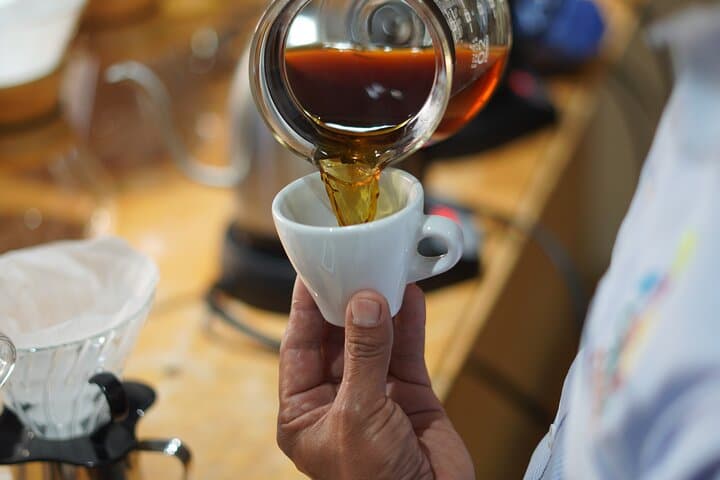
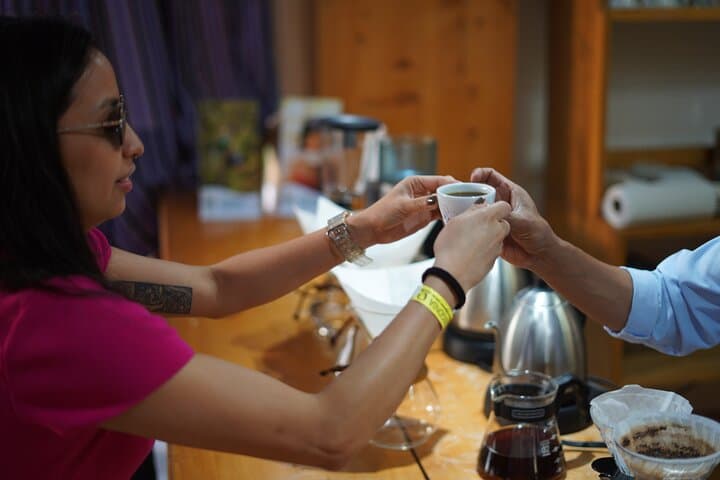
Coffee arrived in Guatemala in the 19th century and found a home in Alta Verapaz’s cool, high valleys. Geologically the region sits on uplifted volcanic soils and volcanic-derived clays that drain well and hold minerals—conditions prized by specialty coffee growers. Cultural exchange is central to the visit: Q'eqchi' guides explain processing stages from cherry to cup, and the tasting highlights how altitude, shade trees, and post-harvest handling shape flavor.
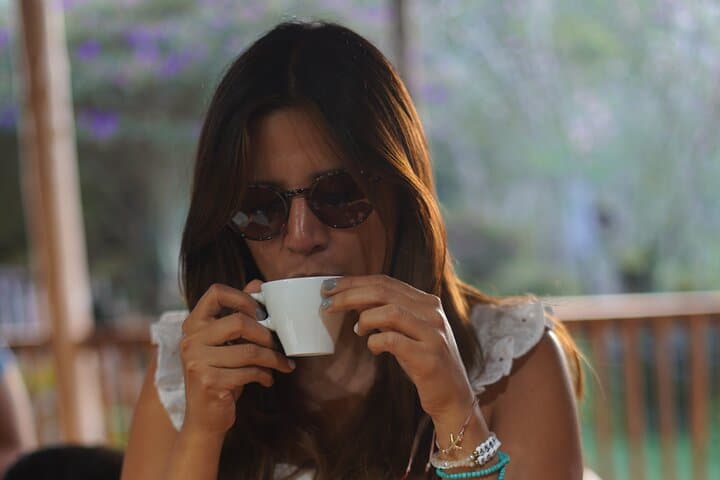
Expect walking on uneven farm tracks through mixed shade, stops at processing patios and drying beds, and a guided tasting that highlights bright acidity and cocoa notes common to Cobán beans. Practical notes: wear sturdy, closed-toe shoes and a light rain layer; bring water and insect repellent. Pickup and drop-off from Cobán are included, and the group format keeps the pace relaxed for all fitness levels. Morning departures make for cooler hikes and fresher cuppings; afternoons can be warm and wet during the rainy season. The tour doubles as a cultural visit—buying directly supports local producers and helps sustain traditional, shade-grown practices. It’s an accessible way to understand not just coffee, but the land and people that produce it.
easy.
4–5 hours.
Suitable for most fitness levels; participants should be able to walk short distances on uneven ground.
The shared tour runs about 4–5 hours and includes private group transportation with hotel pickup and return to Cobán.
Guides are local Q'eqchi' community members; Spanish is commonly spoken and many guides can explain key points in basic English—ask at booking for specific language needs.
Yes—it's rated easy and involves gentle walking; notify the operator of mobility needs when booking for pickup arrangements.
Yes, most plantations have a farm store with roasted and green beans; bring cash for small purchases and check airline rules for agricultural products.
Coffee became a major export in 19th-century Guatemala; Alta Verapaz’s elevation and rich soils made it a key region, and many Q'eqchi' families have cultivated shade-grown coffee for generations.
Look for farms practicing shade-grown and small-lot processing—these methods preserve forest cover and biodiversity; avoid single-use plastics and pack out trash.
Guat2do Travel Experiences operates guided outdoor trips and adventures with an emphasis on safety, stewardship, and memorable experiences.
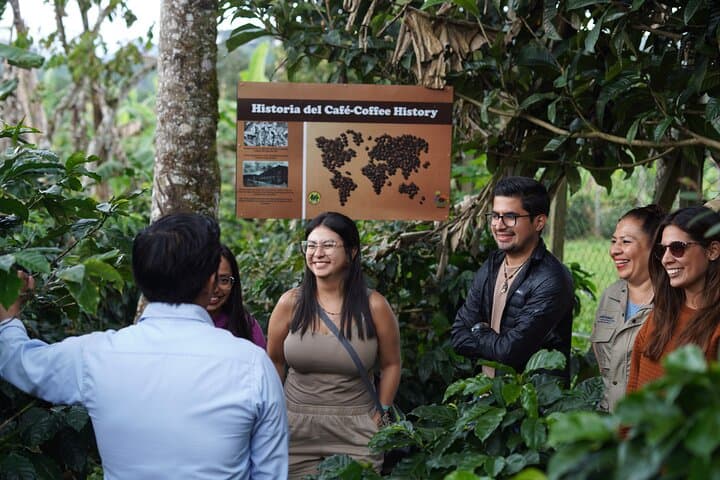
Mist hangs low over the plantation as your van eases off the highway toward Chicoj, coffee cherries glowing like small suns under the canopy. The air smells of wet earth and roasting beans; every step on the packed soil kicks up the history of the crop you’re about to inspect. This half-day, shared tour from Cobán places you on century-old terraces where local Q'eqchi' families have tended coffee for generations.
Mist hangs low over the plantation as your van eases off the highway toward Chicoj, coffee cherries glowing like small suns under the canopy. The air smells of wet earth and roasting beans; every step on the packed soil kicks up the history of the crop you’re about to inspect. This half-day, shared tour from Cobán places you on century-old terraces where local Q'eqchi' families have tended coffee for generations.
Coffee arrived in Guatemala in the 19th century and found a home in Alta Verapaz’s cool, high valleys. Geologically the region sits on uplifted volcanic soils and volcanic-derived clays that drain well and hold minerals—conditions prized by specialty coffee growers. Cultural exchange is central to the visit: Q'eqchi' guides explain processing stages from cherry to cup, and the tasting highlights how altitude, shade trees, and post-harvest handling shape flavor.
Expect walking on uneven farm tracks through mixed shade, stops at processing patios and drying beds, and a guided tasting that highlights bright acidity and cocoa notes common to Cobán beans. Practical notes: wear sturdy, closed-toe shoes and a light rain layer; bring water and insect repellent. Pickup and drop-off from Cobán are included, and the group format keeps the pace relaxed for all fitness levels. Morning departures make for cooler hikes and fresher cuppings; afternoons can be warm and wet during the rainy season. The tour doubles as a cultural visit—buying directly supports local producers and helps sustain traditional, shade-grown practices. It’s an accessible way to understand not just coffee, but the land and people that produce it.