THE ADVENTURE COLLECTIVE® · Independent discovery and booking for outdoor travel

Spend a private day with Q’eqchi’ guides touring a working coffee plantation and a nearby orchid sanctuary near Cobán. Learn how highland soil and local know-how shape world-class coffee, then walk shaded trails among hundreds of orchid species.
Spend a private day with Q’eqchi’ guides touring a working coffee plantation and a nearby orchid sanctuary near Cobán. Learn how highland soil and local know-how shape world-class coffee, then walk shaded trails among hundreds of orchid species.
Mist lifts from the highland rows of coffee trees as your private transfer threads narrow roads toward Cobán’s cloud-touched foothills. You arrive under a humid sky where the smell of wet earth and fresh roast mingle — the landscape practically nudges you forward.
Verified experiences and guided adventures in the surrounding area.
Operated by Guat2do Travel Experiences · Cobán, Alta Verapaz
Mist lifts from the highland rows of coffee trees as your private transfer threads narrow roads toward Cobán’s cloud-touched foothills. You arrive under a humid sky where the smell of wet earth and fresh roast mingle — the landscape practically nudges you forward.
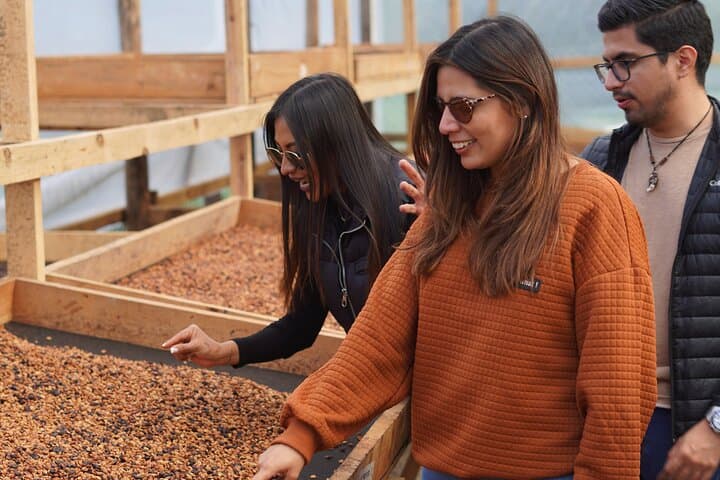
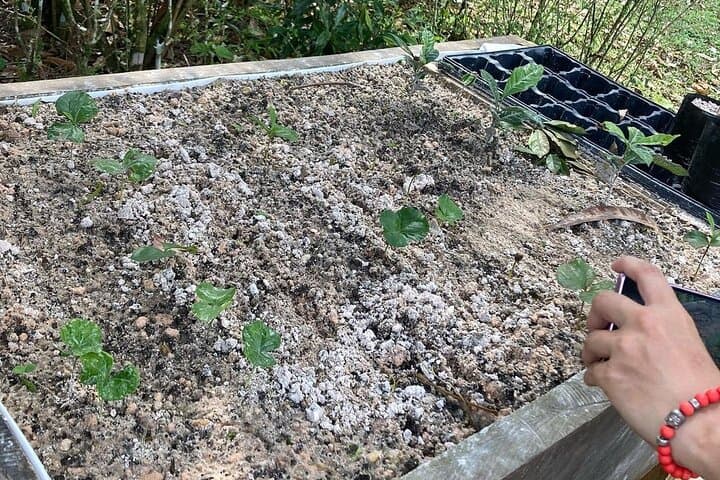
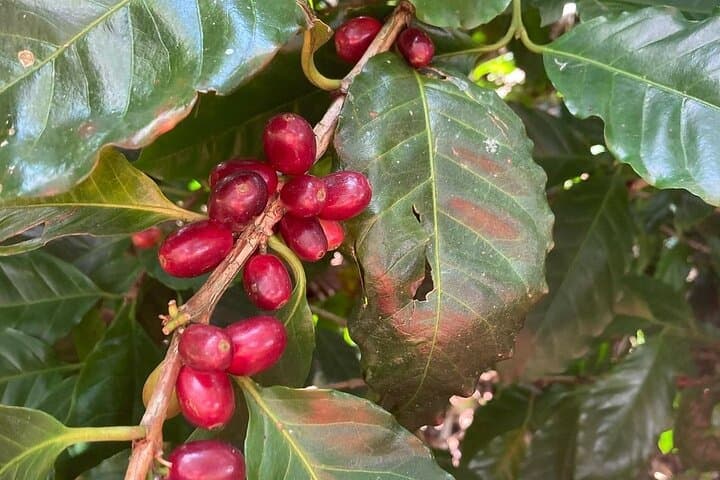
Coffee arrived in Guatemala in the 19th century and took root in the cool, mineral-rich soils of the highlands. Around Cobán, altitudes near 1,200–1,400 m, steady rainfall and porous soils create slow-maturing beans with bright acidity. The tour is led by members of the Q’eqchi’ Maya community, who explain traditional propagation, harvesting and the micro-milling steps that turn cherry into cup.
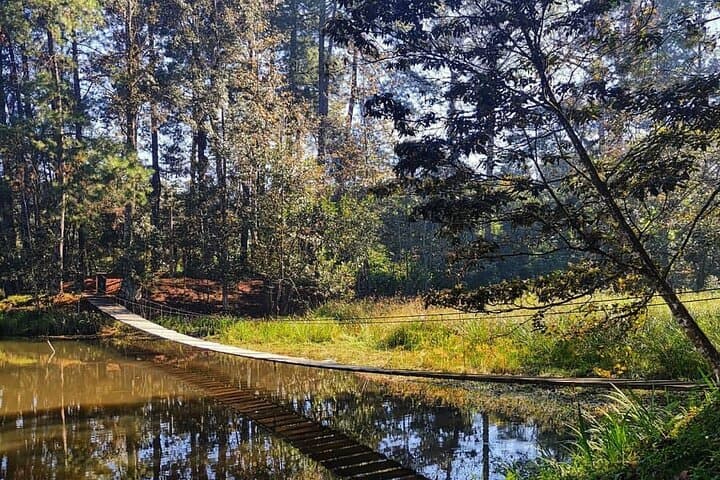
Geology here is a mix of volcanic and limestone influences; karst pockets and forested slopes hold moisture and orchids. Guatemala hosts more than 1,400 orchid species; the nearby sanctuary catalogs roughly 450, displayed across interpretive stations and shaded trails where butterflies and hummingbirds patrol blossoms.
Practical guide: Expect a 6–7 hour private excursion with hotel pickup in Cobán, guided walks at a working coffee farm, a tasting session, then 90 minutes exploring the orchid sanctuary. Trails are mostly flat to gently sloping but can be muddy after rain. Bring a light rain shell, sturdy shoes, insect repellent and cash for small purchases at the farm shop. Photography is excellent in diffused light; a zoom lens helps with birds and orchids.
Timing matters — mornings are cooler and better for tastings, afternoons can be humid. Respect local customs: ask before photographing people, buy locally made beans to support small producers, and stick to paths to protect fragile flora.
easy.
6–7 hours.
Suitable for most fitness levels; you should be comfortable walking 1–2 miles on uneven terrain and standing for tastings.
The tour lasts about 6–7 hours and includes private transportation, entrance fees to the coffee farm and orchid sanctuary, a certified guide, and coffee tasting.
The experience is rated easy and suitable for most ages; however, there are uneven paths—contact the operator about mobility needs and pickup logistics.
Yes—most plantations offer freshly roasted beans and small-batch products for sale; bring local currency for purchases.
Many species bloom at different times, but the sanctuary cultivates a wide range so you can expect numerous specimens year‑round, with peak variety during wet months.
Coffee cultivation expanded across Guatemala in the 19th century; in Alta Verapaz local Q’eqchi’ communities have long combined traditional agriculture with newer coffee enterprises.
Support sustainable producers and stay on trails—the cloud forest margins here are sensitive; buying local beans helps fund community conservation efforts.
Guat2do Travel Experiences operates guided outdoor trips and adventures with an emphasis on safety, stewardship, and memorable experiences.
Mist lifts from the highland rows of coffee trees as your private transfer threads narrow roads toward Cobán’s cloud-touched foothills. You arrive under a humid sky where the smell of wet earth and fresh roast mingle — the landscape practically nudges you forward.
Mist lifts from the highland rows of coffee trees as your private transfer threads narrow roads toward Cobán’s cloud-touched foothills. You arrive under a humid sky where the smell of wet earth and fresh roast mingle — the landscape practically nudges you forward.
Coffee arrived in Guatemala in the 19th century and took root in the cool, mineral-rich soils of the highlands. Around Cobán, altitudes near 1,200–1,400 m, steady rainfall and porous soils create slow-maturing beans with bright acidity. The tour is led by members of the Q’eqchi’ Maya community, who explain traditional propagation, harvesting and the micro-milling steps that turn cherry into cup.
Geology here is a mix of volcanic and limestone influences; karst pockets and forested slopes hold moisture and orchids. Guatemala hosts more than 1,400 orchid species; the nearby sanctuary catalogs roughly 450, displayed across interpretive stations and shaded trails where butterflies and hummingbirds patrol blossoms.
Practical guide: Expect a 6–7 hour private excursion with hotel pickup in Cobán, guided walks at a working coffee farm, a tasting session, then 90 minutes exploring the orchid sanctuary. Trails are mostly flat to gently sloping but can be muddy after rain. Bring a light rain shell, sturdy shoes, insect repellent and cash for small purchases at the farm shop. Photography is excellent in diffused light; a zoom lens helps with birds and orchids.
Timing matters — mornings are cooler and better for tastings, afternoons can be humid. Respect local customs: ask before photographing people, buy locally made beans to support small producers, and stick to paths to protect fragile flora.