THE ADVENTURE COLLECTIVE® · Independent discovery and booking for outdoor travel

Spend a half-day at a century-old coffee plantation near Cobán, Guatemala, guided by Q'eqchi' hosts. Walk plantation paths, learn processing steps from cherry to roast, and finish with a professional coffee tasting.
Spend a half-day at a century-old coffee plantation near Cobán, Guatemala, guided by Q'eqchi' hosts. Walk plantation paths, learn processing steps from cherry to roast, and finish with a professional coffee tasting.
Dawn settles over the highlands as a ribbon of road carries you from Cobán into rows of coffee bushes that have seen more than a century of harvests. Mist clings to the leaves and the air smells of damp earth and green cherry; the plants lean in as if to whisper the secrets of altitude, soil and shade.
Verified experiences and guided adventures in the surrounding area.
Operated by Guat2do Travel Experiences · Cobán, Alta Verapaz
Dawn settles over the highlands as a ribbon of road carries you from Cobán into rows of coffee bushes that have seen more than a century of harvests. Mist clings to the leaves and the air smells of damp earth and green cherry; the plants lean in as if to whisper the secrets of altitude, soil and shade.
Coffee arrived in Guatemala in the 19th century and in Alta Verapaz it found the combination of volcanic-derived soils and steady mountain rains it prefers. In Cobán, Quech’qchi’ Mayan communities maintain traditional growing and processing methods alongside modern sorting and roasting, so a walk through Chicoj plantation is also a walk through local history and cultural continuity. Geologically, the region’s ridges and deep soils encourage slow cherry maturation, concentrating sugars and flavors prized by specialty buyers.
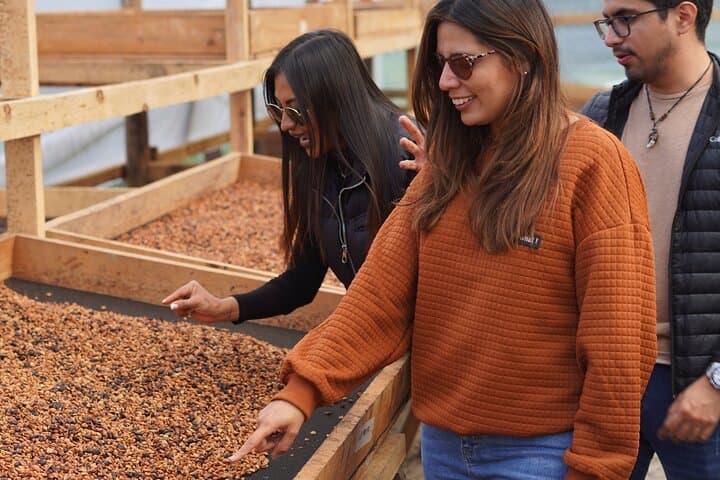
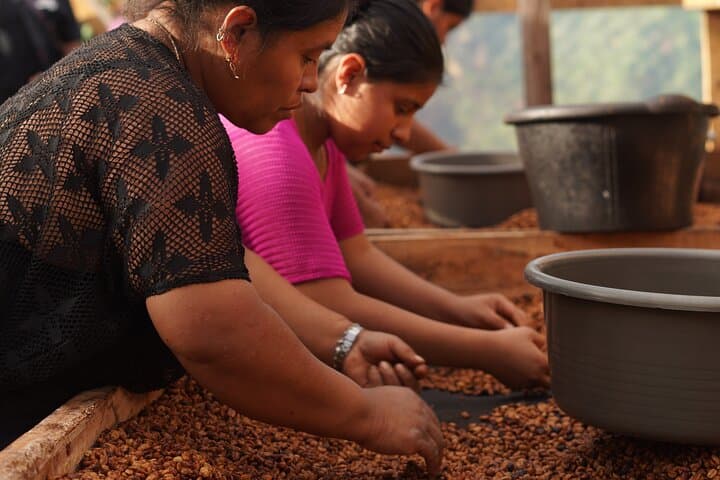
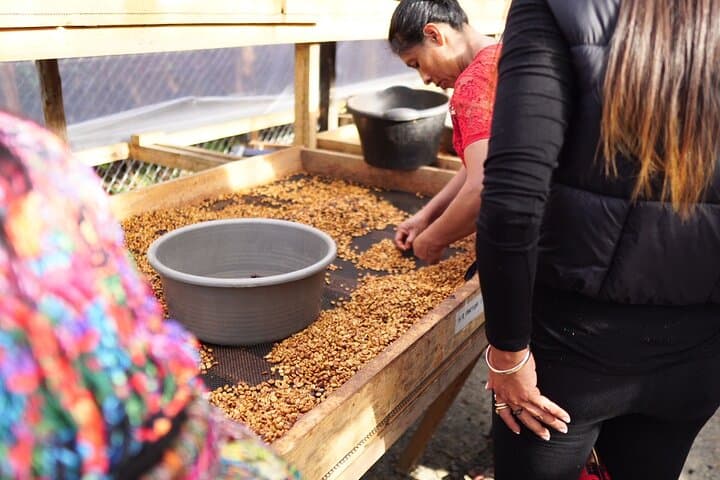
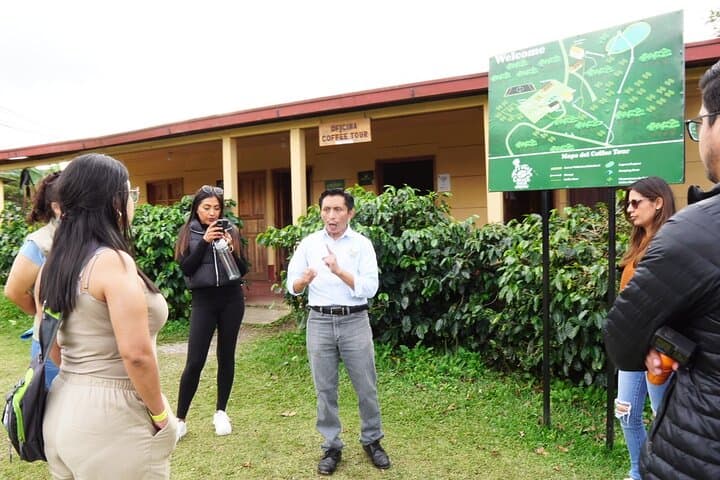
On this private half-day tour you’ll follow gentle plantation paths (expect 1–2 km of walking on packed dirt and mild slopes at ~1,300–1,500 m elevation), observe harvesting and processing steps, and finish with a guided cupping where aroma, acidity and body are explained. Local guides from the Q’eqchi’ community translate technique into tangible tastes, and there’s time to purchase beans directly from producers.
Practical notes: wear sturdy shoes, bring a refillable water bottle and a light rain layer for sudden showers. Morning light gives the best photos and cooler walking; afternoons can be humid in the rainy season. Leave space in your luggage for a bag of fresh-roasted beans and be prepared to listen—this tour is as much about people and place as it is about the cup.
easy.
4–5 hours.
Suitable for people comfortable with light walking on uneven ground; no sustained climbs required.
Yes—private transportation from your hotel in Cobán to the plantation and return is included in the tour price.
The tour involves light walking (roughly 1–2 km) on mostly gentle, packed-dirt paths and is suitable for all fitness levels.
Yes—there is typically a small store or stall where freshly roasted beans, grounds and souvenirs are available for purchase directly from producers.
Guides generally speak Spanish and some English; many tours are led by Q’eqchi’ hosts who may explain traditional practices and can arrange translations when necessary.
Coffee cultivation expanded in Alta Verapaz during the late 19th and early 20th centuries; many farms in the Cobán valley were established by local and immigrant planters and adapted by Q’eqchi’ communities.
Sustainable shade-grown practices are common here to preserve soil and water; purchasing directly from smallholders supports local stewardship and reduces middlemen pressures.
Guat2do Travel Experiences operates guided outdoor trips and adventures with an emphasis on safety, stewardship, and memorable experiences.
Dawn settles over the highlands as a ribbon of road carries you from Cobán into rows of coffee bushes that have seen more than a century of harvests. Mist clings to the leaves and the air smells of damp earth and green cherry; the plants lean in as if to whisper the secrets of altitude, soil and shade.
Dawn settles over the highlands as a ribbon of road carries you from Cobán into rows of coffee bushes that have seen more than a century of harvests. Mist clings to the leaves and the air smells of damp earth and green cherry; the plants lean in as if to whisper the secrets of altitude, soil and shade.
Coffee arrived in Guatemala in the 19th century and in Alta Verapaz it found the combination of volcanic-derived soils and steady mountain rains it prefers. In Cobán, Quech’qchi’ Mayan communities maintain traditional growing and processing methods alongside modern sorting and roasting, so a walk through Chicoj plantation is also a walk through local history and cultural continuity. Geologically, the region’s ridges and deep soils encourage slow cherry maturation, concentrating sugars and flavors prized by specialty buyers.
On this private half-day tour you’ll follow gentle plantation paths (expect 1–2 km of walking on packed dirt and mild slopes at ~1,300–1,500 m elevation), observe harvesting and processing steps, and finish with a guided cupping where aroma, acidity and body are explained. Local guides from the Q’eqchi’ community translate technique into tangible tastes, and there’s time to purchase beans directly from producers.
Practical notes: wear sturdy shoes, bring a refillable water bottle and a light rain layer for sudden showers. Morning light gives the best photos and cooler walking; afternoons can be humid in the rainy season. Leave space in your luggage for a bag of fresh-roasted beans and be prepared to listen—this tour is as much about people and place as it is about the cup.