THE ADVENTURE COLLECTIVE® · Independent discovery and booking for outdoor travel

Cover Coba’s sprawling ruins, swim in Cenote Multun-Ha, and watch the Caribbean from Tulum’s cliff-top ruins in one efficient small-group day trip. Perfect for travelers based in Playa del Carmen who want a full sweep of Yucatán history and karst scenery.
Cover Coba’s sprawling ruins, swim in Cenote Multun-Ha, and watch the Caribbean from Tulum’s cliff-top ruins in one efficient small-group day trip. Perfect for travelers based in Playa del Carmen who want a full sweep of Yucatán history and karst scenery.
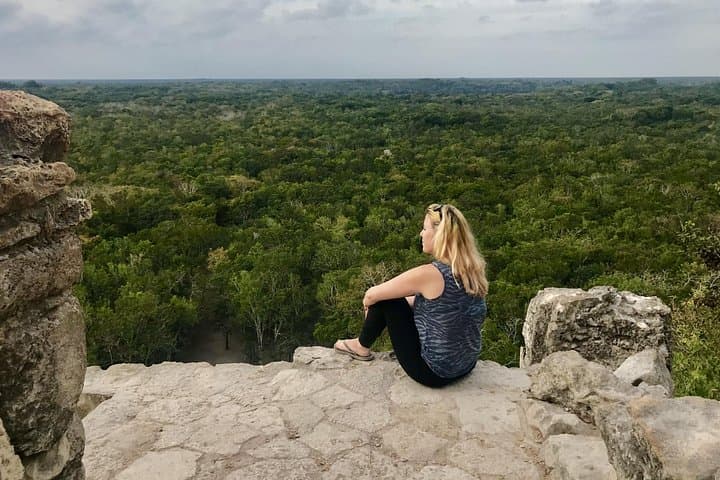
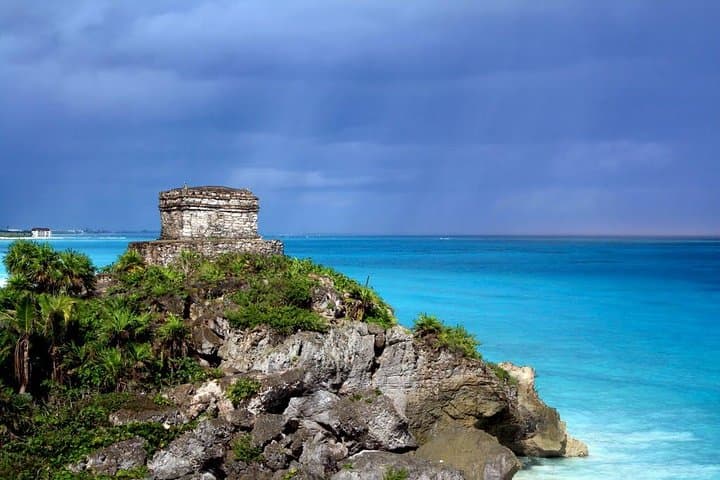
You step off an air-conditioned minivan into a wind that seems to have been blowing since the Maya first walked this coast—warm, slightly salty, and carrying the scent of jungle and limestone. The day unfolds like a mapped route through time: bike tracks to Coba’s spread-out plazas, a cool plunge into the emerald cave of Multun-Ha, then the cliff-top theater of Tulum where the sea keeps watch.
Verified experiences and guided adventures in the surrounding area.
Operated by Mayan Riviera Tours · Playa del Carmen, Quintana Roo
You step off an air-conditioned minivan into a wind that seems to have been blowing since the Maya first walked this coast—warm, slightly salty, and carrying the scent of jungle and limestone. The day unfolds like a mapped route through time: bike tracks to Coba’s spread-out plazas, a cool plunge into the emerald cave of Multun-Ha, then the cliff-top theater of Tulum where the sea keeps watch.
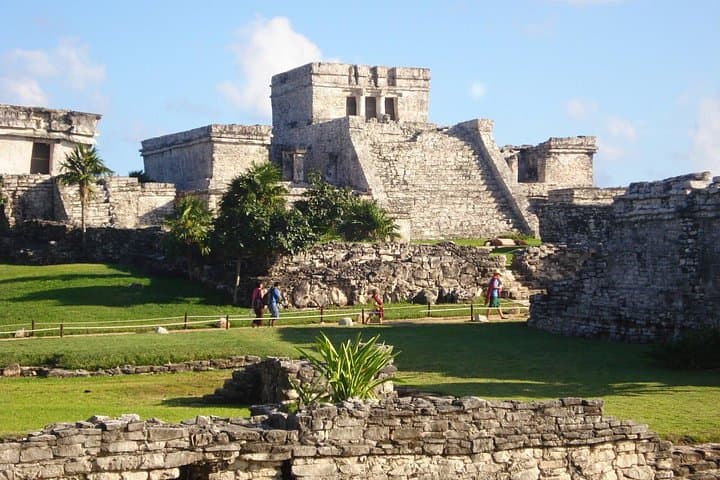
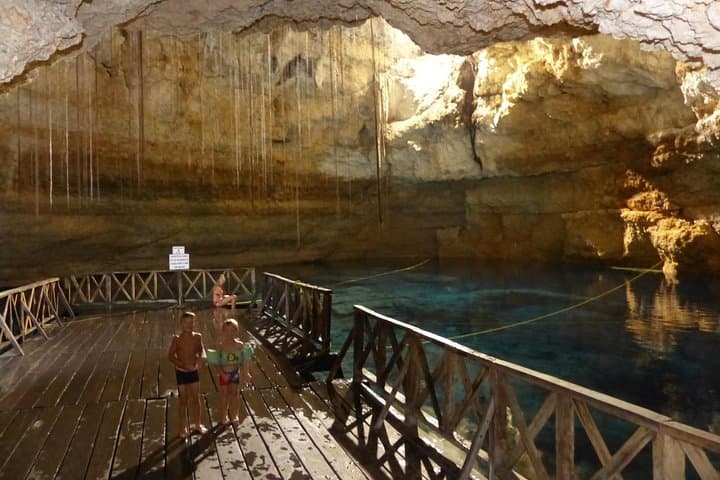
Coba was a lowland Maya center connected by sacbéob (stone causeways) and still wears its ancient roads under a carpet of leaf litter. The region sits on porous Yucatán limestone; cenotes are collapse points where the underground rivers surface—clear, fresh and eerily quiet. Tulum’s walls were a coastal frontier, trading salt and fish and acting as a lookout over turquoise currents. The nearby Mayan Museum collects artifacts that trace the networks linking inland cities to coastal ports.
Expect a mix of easy walking and uneven stone; bikes or short climbs at Coba, a swim in a semi-open cenote, then paved paths and scenic overlooks in Tulum. Practicalities: bring a reusable water bottle for refills, biodegradable sunscreen, and swimwear under clothes for quick changes. Arrive ready for sun on the coast and cooler shade under the canopy.
Timing matters—start early to beat midday heat and crowds, keep local tax cash handy for onsite fees, and respect archaeological rules about food and single-use plastics. With a small-group guide and included entrances, this combo makes a long day efficient and full of distinct experiences.
moderate.
10 hours.
Light to moderate fitness; able to walk up to a few miles over uneven ground and climb short stone steps.
This is a full-day, approximately 10-hour tour that visits Coba ruins, Cenote Multun-Ha, Tulum ruins, and the Mayan Museum with transportation and lunch included.
Swimming at Cenote Multun-Ha is part of the itinerary; bring swimwear and biodegradable sunscreen—life jackets are typically available if you need one.
Yes — entrances to Tulum, Coba and the cenote plus a buffet lunch are included; note a local government tax (about $45 USD adult, $30 USD child) is payable at check-in in cash.
Wear lightweight layers, closed-toe shoes for ruins, swimwear, a reusable water bottle, sun protection, and small bills for local taxes and souvenirs.
Tulum served as a coastal trading post and late-postclassic Maya stronghold, while Coba was a large inland center connected by ancient sacbéob to other cities.
Cenotes are fragile freshwater systems—use biodegradable products, avoid touching cave formations, and follow local rules that ban single-use plastics in archaeological zones.
Mayan Riviera Tours operates guided outdoor trips and adventures with an emphasis on safety, stewardship, and memorable experiences.
You step off an air-conditioned minivan into a wind that seems to have been blowing since the Maya first walked this coast—warm, slightly salty, and carrying the scent of jungle and limestone. The day unfolds like a mapped route through time: bike tracks to Coba’s spread-out plazas, a cool plunge into the emerald cave of Multun-Ha, then the cliff-top theater of Tulum where the sea keeps watch.
You step off an air-conditioned minivan into a wind that seems to have been blowing since the Maya first walked this coast—warm, slightly salty, and carrying the scent of jungle and limestone. The day unfolds like a mapped route through time: bike tracks to Coba’s spread-out plazas, a cool plunge into the emerald cave of Multun-Ha, then the cliff-top theater of Tulum where the sea keeps watch.
Coba was a lowland Maya center connected by sacbéob (stone causeways) and still wears its ancient roads under a carpet of leaf litter. The region sits on porous Yucatán limestone; cenotes are collapse points where the underground rivers surface—clear, fresh and eerily quiet. Tulum’s walls were a coastal frontier, trading salt and fish and acting as a lookout over turquoise currents. The nearby Mayan Museum collects artifacts that trace the networks linking inland cities to coastal ports.
Expect a mix of easy walking and uneven stone; bikes or short climbs at Coba, a swim in a semi-open cenote, then paved paths and scenic overlooks in Tulum. Practicalities: bring a reusable water bottle for refills, biodegradable sunscreen, and swimwear under clothes for quick changes. Arrive ready for sun on the coast and cooler shade under the canopy.
Timing matters—start early to beat midday heat and crowds, keep local tax cash handy for onsite fees, and respect archaeological rules about food and single-use plastics. With a small-group guide and included entrances, this combo makes a long day efficient and full of distinct experiences.