THE ADVENTURE COLLECTIVE® · Independent discovery and booking for outdoor travel

Spend a full day exploring Coba’s jungle pyramids, swimming in a wild cenote and touring Chichén Itzá with a professional photographer. This private trip combines archaeology, karst landscapes and curated photos for a seamless, all-in-one day from Tulum.
Spend a full day exploring Coba’s jungle pyramids, swimming in a wild cenote and touring Chichén Itzá with a professional photographer. This private trip combines archaeology, karst landscapes and curated photos for a seamless, all-in-one day from Tulum.
Morning light slants through low jungle canopy as your minivan threads the coastal plain toward two of the Yucatán’s most storied ruins and a wild cenote that cools the day.
Verified experiences and guided adventures in the surrounding area.
Operated by Trip To Mexico · Tulum, Quintana Roo
Morning light slants through low jungle canopy as your minivan threads the coastal plain toward two of the Yucatán’s most storied ruins and a wild cenote that cools the day.
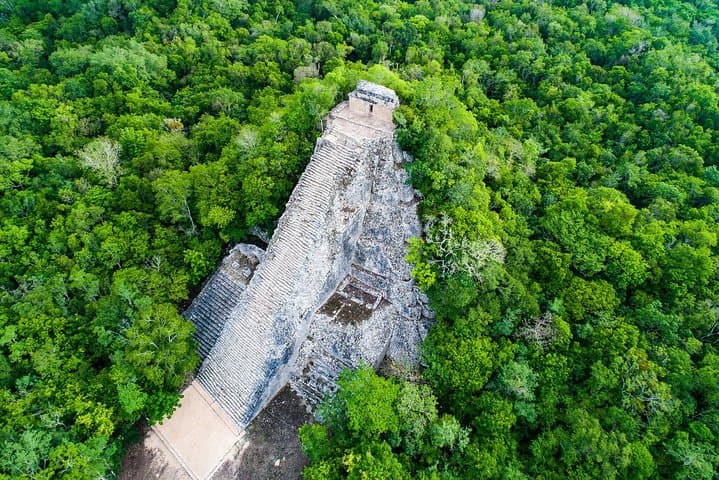
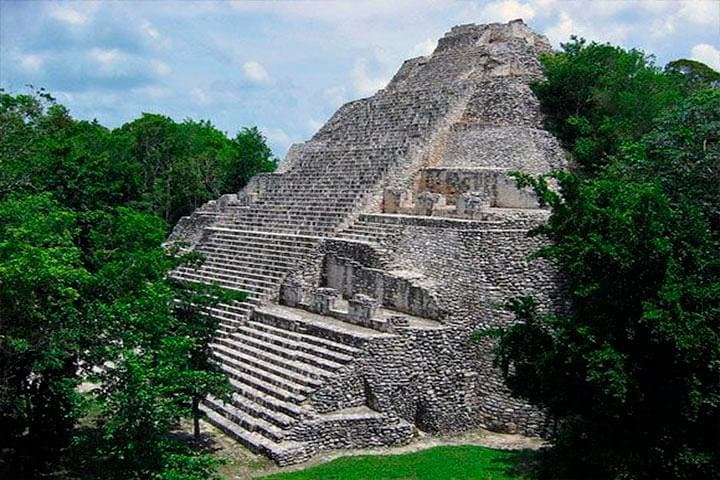
The tour opens in Coba, an ancient Maya settlement whose limestone causeways stretch beneath tall ceiba and secondary forest. Visitors can walk the soft, leaf-strewn paths to Nohuch Mul—one of the peninsula’s tallest pyramids—and, with a short climb, see the canopy roll away like a green sea. The guide and photographer document those wide vistas while the site’s carved stelae hint at a political landscape shaped by trade and water management.
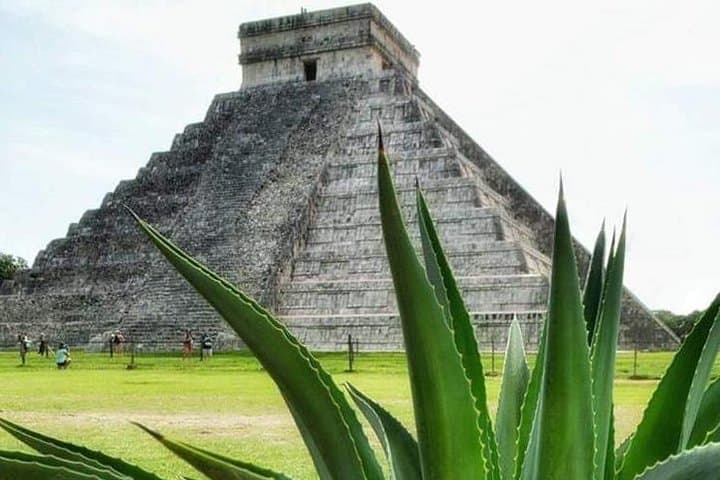
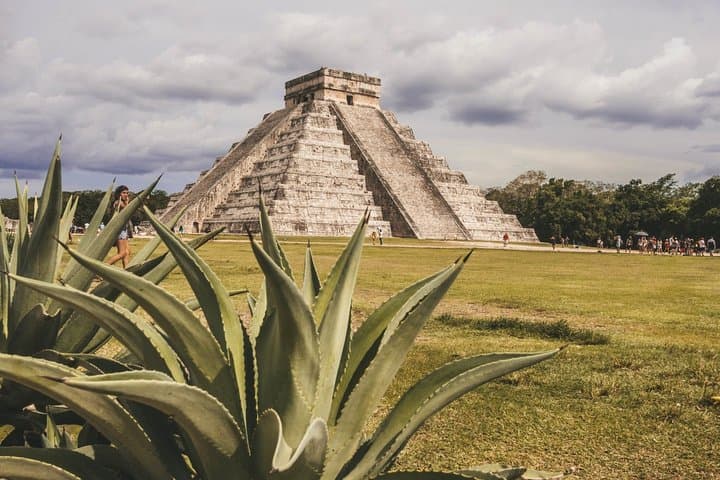
After a jungle drive, the tour reaches a cenote: a collapsed limestone well where clear groundwater invites swimmers. Cenotes are part of the Yucatán’s karst geology—sinkholes feeding subterranean rivers that sustained Maya settlements and remain ecologically fragile. The day culminates at Chichén Itzá, the region’s most famous ceremonial center, where El Castillo and the Great Ball Court speak to cosmology, astronomy and civic power.
Expect a blend of walking on packed earth, stone stairs and short swims; the schedule moves quickly to avoid peak crowds and midday heat. Practicalities matter: bring biodegradable sunscreen, ample water, and a lightweight towel for the cenote. Photography is built into the experience, so you can travel light and leave with curated images.
This private rhythm—ruins, water, ruins—balances deep history and raw karst landscape with pragmatic comfort: air-conditioned transport, a knowledgeable guide, and a photographer to capture the trip’s best moments.
moderate.
11–12 hours.
Moderate fitness—able to walk several kilometers, climb stairs and manage brief swims.
The tour runs about 11–12 hours and includes hotel pickup/drop-off (Tulum/Riviera Maya), entrance fees, guide, photographer services and transport in an air-conditioned van.
Yes—Coba’s Nohuch Mul has a climbable staircase; it’s steep but short. Check local rules on the day as access can change for preservation or safety reasons.
Most cenotes have shallow entry zones, but conditions vary; non-swimmers should use provided flotation if available and stay near the edge or with the guide’s advice.
Infants are permitted but must sit on an adult’s lap during transport; the tour requires a minimum of two participants and recommends moderate fitness for travelers.
Coba and Chichén Itzá were major Maya centers; Chichén Itzá rose as a regional power blending Maya and central Mexican influences, while Coba thrived on inland trade routes and water management.
Cenotes and karst aquifers are vulnerable to pollution—use biodegradable products and respect signage to limit impact on fragile cave systems.
Trip To Mexico operates guided outdoor trips and adventures with an emphasis on safety, stewardship, and memorable experiences.
Morning light slants through low jungle canopy as your minivan threads the coastal plain toward two of the Yucatán’s most storied ruins and a wild cenote that cools the day.
Morning light slants through low jungle canopy as your minivan threads the coastal plain toward two of the Yucatán’s most storied ruins and a wild cenote that cools the day.
The tour opens in Coba, an ancient Maya settlement whose limestone causeways stretch beneath tall ceiba and secondary forest. Visitors can walk the soft, leaf-strewn paths to Nohuch Mul—one of the peninsula’s tallest pyramids—and, with a short climb, see the canopy roll away like a green sea. The guide and photographer document those wide vistas while the site’s carved stelae hint at a political landscape shaped by trade and water management.
After a jungle drive, the tour reaches a cenote: a collapsed limestone well where clear groundwater invites swimmers. Cenotes are part of the Yucatán’s karst geology—sinkholes feeding subterranean rivers that sustained Maya settlements and remain ecologically fragile. The day culminates at Chichén Itzá, the region’s most famous ceremonial center, where El Castillo and the Great Ball Court speak to cosmology, astronomy and civic power.
Expect a blend of walking on packed earth, stone stairs and short swims; the schedule moves quickly to avoid peak crowds and midday heat. Practicalities matter: bring biodegradable sunscreen, ample water, and a lightweight towel for the cenote. Photography is built into the experience, so you can travel light and leave with curated images.
This private rhythm—ruins, water, ruins—balances deep history and raw karst landscape with pragmatic comfort: air-conditioned transport, a knowledgeable guide, and a photographer to capture the trip’s best moments.