THE ADVENTURE COLLECTIVE® · Independent discovery and booking for outdoor travel

Visit two of the Riviera Maya’s most significant Maya sites in a single day with a private certified guide. Explore Tulum’s cliff-top seaport and Coba’s broad sacbe roads by bike or rickshaw, capped with a local Mexican lunch.
Visit two of the Riviera Maya’s most significant Maya sites in a single day with a private certified guide. Explore Tulum’s cliff-top seaport and Coba’s broad sacbe roads by bike or rickshaw, capped with a local Mexican lunch.
You arrive before the sun has burned off the lagoon mist, the Caribbean wind nudging palms as you step from the van. The Tulum ruins sit high on a limestone bluff, waves out past the cliff daring you to look down; your guide moves through the plaza with exacting calm, pointing out the palace, the low walls and the seaport structures that once mapped a thriving trade route.
Verified experiences and guided adventures in the surrounding area.
Operated by Absolute Adventure Mexico · Tulum, Quintana Roo
You arrive before the sun has burned off the lagoon mist, the Caribbean wind nudging palms as you step from the van. The Tulum ruins sit high on a limestone bluff, waves out past the cliff daring you to look down; your guide moves through the plaza with exacting calm, pointing out the palace, the low walls and the seaport structures that once mapped a thriving trade route.
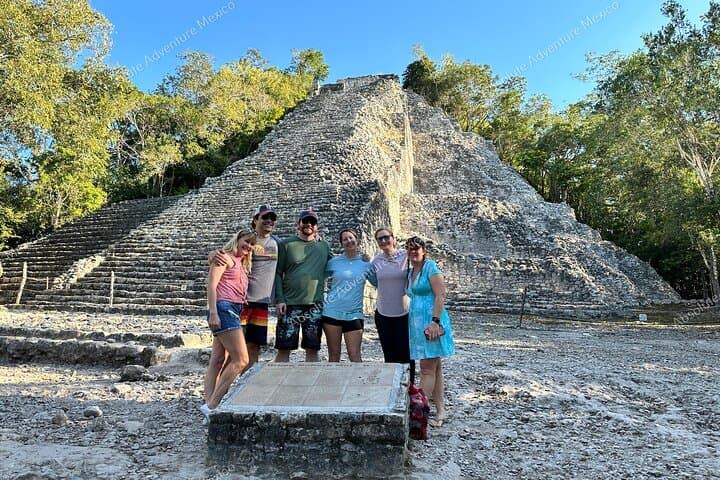
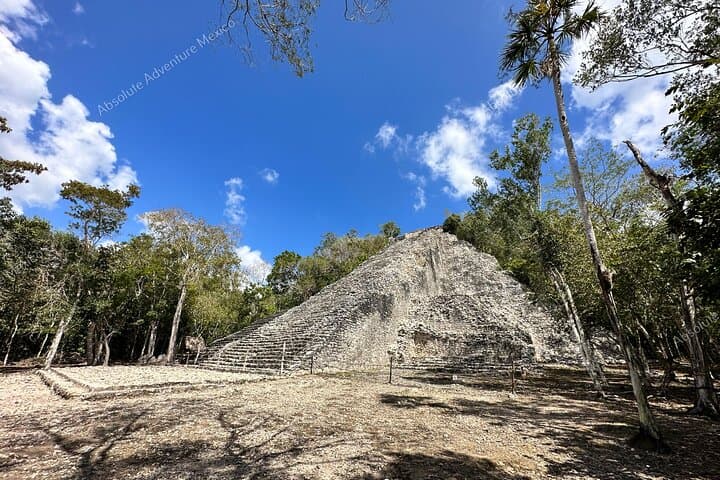
Later the van threads inland into dense jungle, where Coba’s stone causeways—ancient sacbeob—run like pale veins through the forest. Here the ground changes from coral plateau to packed earth; bicycles and rickshaws give you a chance to cover the broad site and reach Nohoch Mul, the tallest climbable pyramid on the Yucatán peninsula (subject to current INAH rules).
Both sites reflect different chapters of Maya life: Tulum as a late Postclassic coastal port with strategic watchtowers, Coba as a sprawling Classic and Postclassic center wired together by raised roads. Geology alternates between coastal limestone and lowland jungle soils, creating pockets of freshwater and thriving lizards and birds that punctuate the ruins.
Practical guidance: expect 6–7 hours, wear closed-toe shoes for Coba, bring a reusable water bottle (Tulum forbids single-use plastic within the archaeological zone) and sun protection. Your certified guide handles tickets and logistics; keep your room number handy for pickup and budget pesos for small onsite fees or souvenirs.
moderate.
6–7 hours.
Light to moderate fitness — comfortable walking, short climbs and a bike ride/short rickshaw trip; able to stand and walk for extended periods.
Yes — the tour includes Tulum and Coba archaeological site entrance fees and the national park bracelet.
Climbing Nohoch Mul has been permitted at times but is governed by INAH regulations; your guide will confirm current access on the day of the tour.
No — access to the beach inside the Tulum enclosure has been restricted since 2020, though coastal views from the bluff remain spectacular.
Private air-conditioned van pick-up is provided from hotels or rentals; you must supply your room number by 4pm the day before or coordinate via WhatsApp if staying in a condo/BnB.
Tulum was a Late Postclassic coastal trading post and defensive site facing the Caribbean; Coba grew earlier into a large inland city connected by raised stone causeways to neighboring settlements.
Both sites are managed by Mexico’s INAH with visitor rules to protect fragile structures; follow paths, avoid touching masonry and use reusable bottles to reduce plastic waste.
Absolute Adventure Mexico operates guided outdoor trips and adventures with an emphasis on safety, stewardship, and memorable experiences.
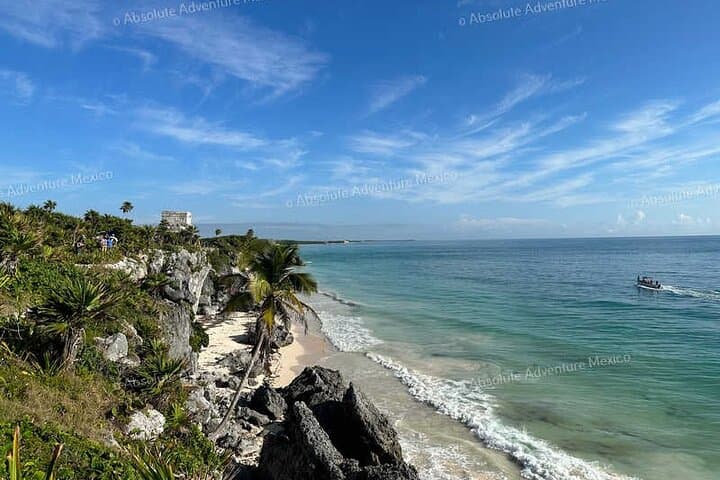
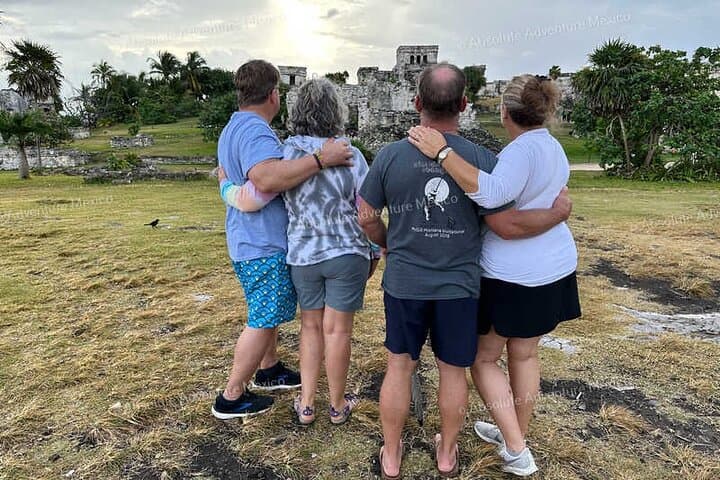
You arrive before the sun has burned off the lagoon mist, the Caribbean wind nudging palms as you step from the van. The Tulum ruins sit high on a limestone bluff, waves out past the cliff daring you to look down; your guide moves through the plaza with exacting calm, pointing out the palace, the low walls and the seaport structures that once mapped a thriving trade route.
You arrive before the sun has burned off the lagoon mist, the Caribbean wind nudging palms as you step from the van. The Tulum ruins sit high on a limestone bluff, waves out past the cliff daring you to look down; your guide moves through the plaza with exacting calm, pointing out the palace, the low walls and the seaport structures that once mapped a thriving trade route.
Later the van threads inland into dense jungle, where Coba’s stone causeways—ancient sacbeob—run like pale veins through the forest. Here the ground changes from coral plateau to packed earth; bicycles and rickshaws give you a chance to cover the broad site and reach Nohoch Mul, the tallest climbable pyramid on the Yucatán peninsula (subject to current INAH rules).
Both sites reflect different chapters of Maya life: Tulum as a late Postclassic coastal port with strategic watchtowers, Coba as a sprawling Classic and Postclassic center wired together by raised roads. Geology alternates between coastal limestone and lowland jungle soils, creating pockets of freshwater and thriving lizards and birds that punctuate the ruins.
Practical guidance: expect 6–7 hours, wear closed-toe shoes for Coba, bring a reusable water bottle (Tulum forbids single-use plastic within the archaeological zone) and sun protection. Your certified guide handles tickets and logistics; keep your room number handy for pickup and budget pesos for small onsite fees or souvenirs.