THE ADVENTURE COLLECTIVE® · Independent discovery and booking for outdoor travel

Spend a long day exploring Tulum’s seaside ruins, climbing Coba’s pyramid, and cooling off in a natural cenote. This guided tour combines history, geology, and a practical all-day itinerary with hotel transfers and lunch included.
Spend a long day exploring Tulum’s seaside ruins, climbing Coba’s pyramid, and cooling off in a natural cenote. This guided tour combines history, geology, and a practical all-day itinerary with hotel transfers and lunch included.
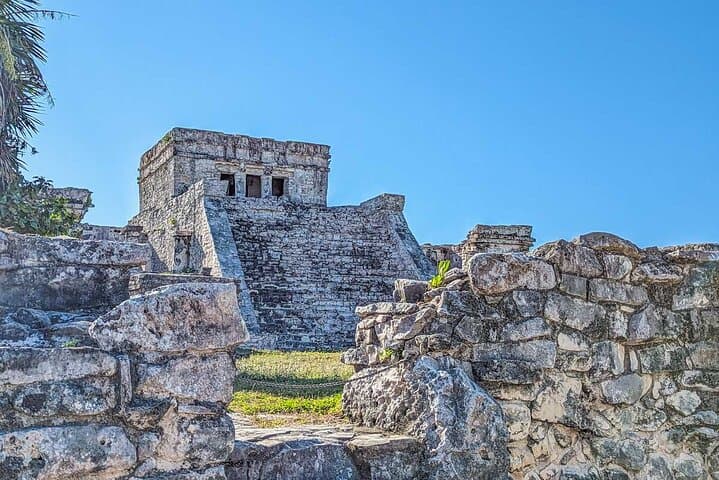
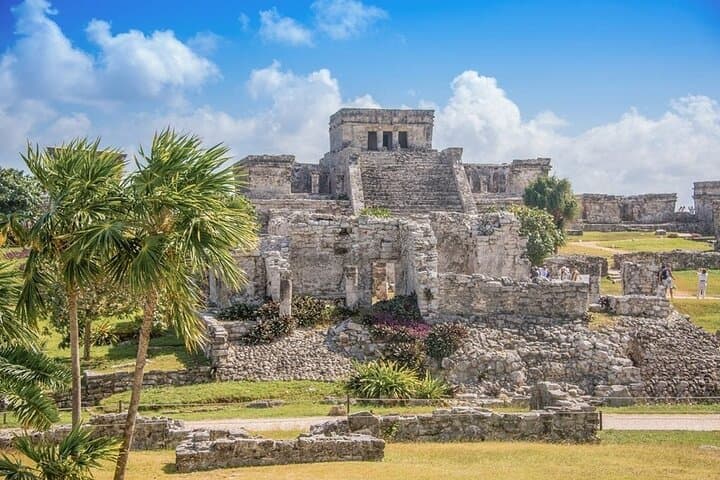
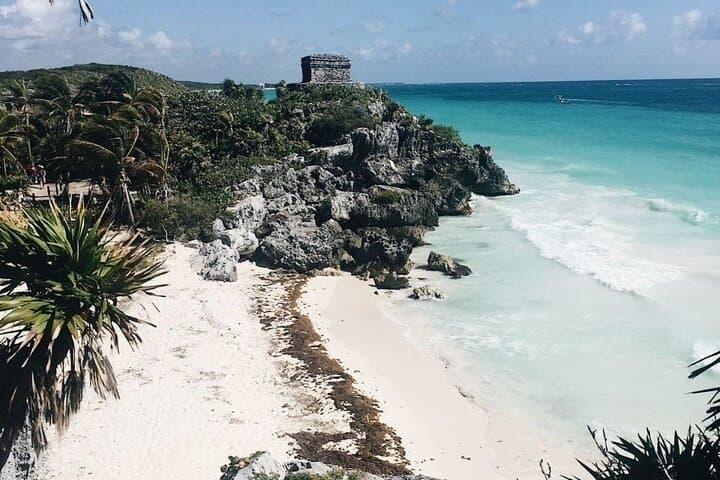
Morning light slices across limestone and mangroves as a tour vehicle threads the Riviera Maya highway toward two of the Yucatán’s most consequential ruins. At Tulum the cliff-edge stone walls face the Caribbean—salt wind daring you to look farther out—while inland, the low jungle around Coba keeps quieter watch, where an ancient pyramid still offers a steep, rewarding climb.
Verified experiences and guided adventures in the surrounding area.
Operated by Cancun Vip Card · Playa del Carmen, Quintana Roo
Morning light slices across limestone and mangroves as a tour vehicle threads the Riviera Maya highway toward two of the Yucatán’s most consequential ruins. At Tulum the cliff-edge stone walls face the Caribbean—salt wind daring you to look farther out—while inland, the low jungle around Coba keeps quieter watch, where an ancient pyramid still offers a steep, rewarding climb.
These sites sit on layered histories: Tulum was a fortified coastal port in the late Postclassic Maya period, while Coba predates it, its stone causeways once linking satellite communities across wetlands. Geologically the region is karst—porous limestone riddled with sinkholes—which is why cenotes appear here as clean, cool wells in the jungle, a natural contrast to hot plazas and stepped temples.
Culturally, guides will point out Mayan construction techniques, ballcourt traces, and irrigation cues, and local vendors near Tulum sell handwoven textiles and citrus-spiked aguas frescas.
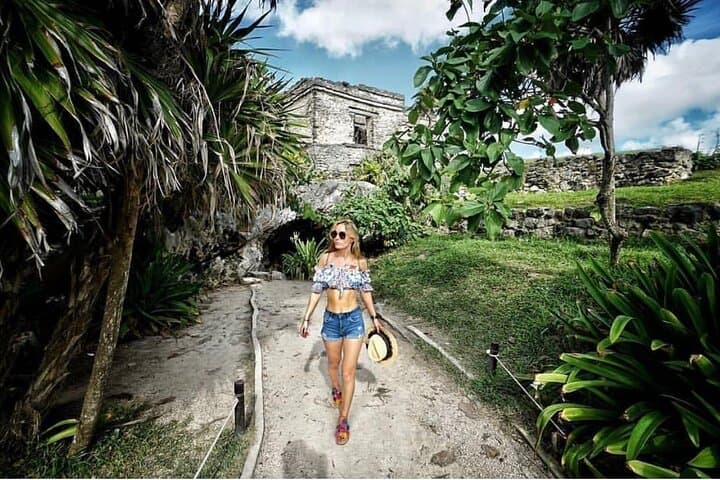
Practical guidance: expect an 11–13 hour day with hotel pickup, uphill steps at Coba (handrails limited) and sandy, uneven paths at Tulum. Wear sturdy shoes that can handle dirt and temple steps, bring a change of clothes for the cenote, and pack sunscreen and a refillable water bottle. Midday can be hot and crowded; arriving early at ruins helps avoid the full glare and the busiest tour groups.
Plan for modest swimming facilities—lockers and basic showers—then a buffet lunch featuring regional dishes to recover calories before the return drive.
moderate.
11–13 hours.
Good overall stamina for an all-day outing; comfortable walking on uneven ground and short steep climbs is required.
The tour typically includes admission to Tulum and the cenote listed in the itinerary; confirm at booking or on your voucher for any site-specific surcharges.
The tour is described as suitable for all fitness levels, but children and older guests should be comfortable with walking and some stairs; Coba’s pyramid climb can be steep.
Most tours include time to swim and basic facilities such as changing areas and showers; bring your own towel and biodegradable sunscreen for best practice.
Round-trip transfers are provided from select hotels along the Riviera Maya—confirm your pickup location and time after booking, as central pickups may be grouped to optimize the route.
Tulum became an important maritime trading center in the late Postclassic era, while Coba’s network of causeways connected outlying settlements across seasonal wetlands.
The Yucatán’s cenotes and archaeological zones are fragile; use biodegradable sunscreen, avoid touching ruins, and follow guide instructions to reduce impact.
Cancun Vip Card operates guided outdoor trips and adventures with an emphasis on safety, stewardship, and memorable experiences.
Morning light slices across limestone and mangroves as a tour vehicle threads the Riviera Maya highway toward two of the Yucatán’s most consequential ruins. At Tulum the cliff-edge stone walls face the Caribbean—salt wind daring you to look farther out—while inland, the low jungle around Coba keeps quieter watch, where an ancient pyramid still offers a steep, rewarding climb.
Morning light slices across limestone and mangroves as a tour vehicle threads the Riviera Maya highway toward two of the Yucatán’s most consequential ruins. At Tulum the cliff-edge stone walls face the Caribbean—salt wind daring you to look farther out—while inland, the low jungle around Coba keeps quieter watch, where an ancient pyramid still offers a steep, rewarding climb.
These sites sit on layered histories: Tulum was a fortified coastal port in the late Postclassic Maya period, while Coba predates it, its stone causeways once linking satellite communities across wetlands. Geologically the region is karst—porous limestone riddled with sinkholes—which is why cenotes appear here as clean, cool wells in the jungle, a natural contrast to hot plazas and stepped temples.
Culturally, guides will point out Mayan construction techniques, ballcourt traces, and irrigation cues, and local vendors near Tulum sell handwoven textiles and citrus-spiked aguas frescas.
Practical guidance: expect an 11–13 hour day with hotel pickup, uphill steps at Coba (handrails limited) and sandy, uneven paths at Tulum. Wear sturdy shoes that can handle dirt and temple steps, bring a change of clothes for the cenote, and pack sunscreen and a refillable water bottle. Midday can be hot and crowded; arriving early at ruins helps avoid the full glare and the busiest tour groups.
Plan for modest swimming facilities—lockers and basic showers—then a buffet lunch featuring regional dishes to recover calories before the return drive.