THE ADVENTURE COLLECTIVE® · Independent discovery and booking for outdoor travel

Walk the shaded trails of a Coatepec coffee farm, watch cherries become green beans, and finish with a guided tasting and barista demo. In three hours you’ll learn processing stages, roasting basics, and sample four distinct coffees.
Walk the shaded trails of a Coatepec coffee farm, watch cherries become green beans, and finish with a guided tasting and barista demo. In three hours you’ll learn processing stages, roasting basics, and sample four distinct coffees.
You step from the warm light of Coatepec’s main road into a green hum—the farm’s trails climb through rows of shade trees and coffee plants, the morning mist clinging to leaves and daring you forward. The first stop is the seedbed, where tiny green shoots concentrate the promise of an entire harvest; further up, the mill’s iron bones rattle with the memory of cherry being turned into green bean. A barista waits at the end, fingers practiced in coaxing aroma and crema from a humble scoop.
Verified experiences and guided adventures in the surrounding area.
Operated by Servicios Turisticos Arion · Coatepec, Veracruz
You step from the warm light of Coatepec’s main road into a green hum—the farm’s trails climb through rows of shade trees and coffee plants, the morning mist clinging to leaves and daring you forward. The first stop is the seedbed, where tiny green shoots concentrate the promise of an entire harvest; further up, the mill’s iron bones rattle with the memory of cherry being turned into green bean. A barista waits at the end, fingers practiced in coaxing aroma and crema from a humble scoop.
The region around Coatepec sits on volcanic soils of Veracruz’s highlands; those rich, well-drained grounds and frequent cloud cover produce high-altitude arabica with marked acidity and floral notes. Coffee here is both livelihood and local identity—markets, roadside stalls and family farms trace trade patterns that date to 19th-century plantation expansions and smallholder cooperatives that followed.
Expect three hours of easy walking on packed dirt and farm tracks, intermittent slopes and shaded paths. The tour sequences seedbed, production trails, pulping and drying areas, the roastery and an interactive tasting where you’ll sample four varietals and learn basic brewing techniques.
Practical tips: arrive hydrated and with sturdy shoes—rain can turn paths slick. Morning tours are best for cooler temperatures and active farm work. Bring a small reusable cup or jar if you plan to buy roasted beans—vendors often package fresh roasts. Respect processing areas and follow the guide around machinery. This is agritourism at close range: you’ll see the labor and science behind a single cup, and walk away with a clearer palate and a bag of beans.
easy.
3 hours.
Suitable for most fitness levels; involves short walks on uneven ground and a few mild slopes.
The activity lasts about three hours and includes seedbed, production trail, roastery visit and a tasting session.
Yes—four coffee varieties are sampled and one cup is provided as part of the tour.
The farm notes stroller access is possible on parts of the site, but some uneven trails may be challenging—check with the operator for infants.
Yes, most farms sell freshly roasted beans on-site; bring small bills for purchases.
Coffee cultivation in Coatepec expanded in the 19th century and became central to local economy, shaping smallholder farms and regional trade.
Many farms here practice shade-grown methods that preserve canopy trees and local biodiversity; visitors should follow pathways and avoid disturbing drying coffee and wildlife.
Servicios Turisticos Arion operates guided outdoor trips and adventures with an emphasis on safety, stewardship, and memorable experiences.

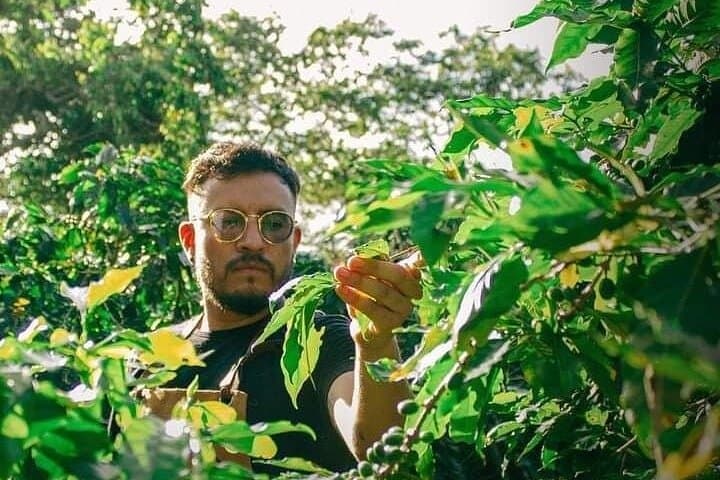
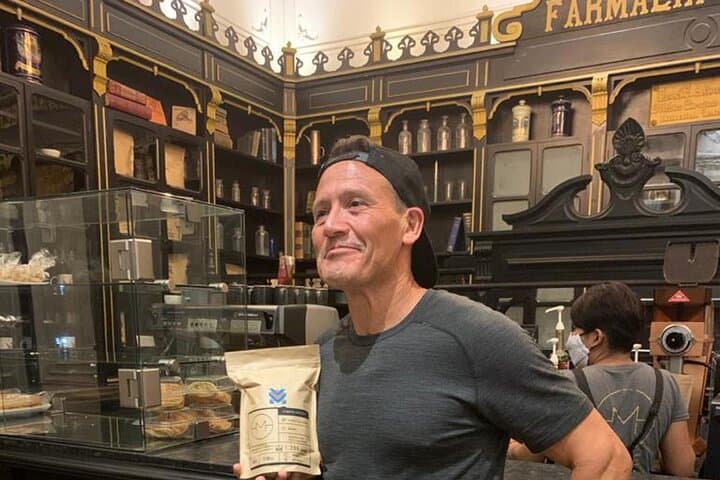

You step from the warm light of Coatepec’s main road into a green hum—the farm’s trails climb through rows of shade trees and coffee plants, the morning mist clinging to leaves and daring you forward. The first stop is the seedbed, where tiny green shoots concentrate the promise of an entire harvest; further up, the mill’s iron bones rattle with the memory of cherry being turned into green bean. A barista waits at the end, fingers practiced in coaxing aroma and crema from a humble scoop.
You step from the warm light of Coatepec’s main road into a green hum—the farm’s trails climb through rows of shade trees and coffee plants, the morning mist clinging to leaves and daring you forward. The first stop is the seedbed, where tiny green shoots concentrate the promise of an entire harvest; further up, the mill’s iron bones rattle with the memory of cherry being turned into green bean. A barista waits at the end, fingers practiced in coaxing aroma and crema from a humble scoop.
The region around Coatepec sits on volcanic soils of Veracruz’s highlands; those rich, well-drained grounds and frequent cloud cover produce high-altitude arabica with marked acidity and floral notes. Coffee here is both livelihood and local identity—markets, roadside stalls and family farms trace trade patterns that date to 19th-century plantation expansions and smallholder cooperatives that followed.
Expect three hours of easy walking on packed dirt and farm tracks, intermittent slopes and shaded paths. The tour sequences seedbed, production trails, pulping and drying areas, the roastery and an interactive tasting where you’ll sample four varietals and learn basic brewing techniques.
Practical tips: arrive hydrated and with sturdy shoes—rain can turn paths slick. Morning tours are best for cooler temperatures and active farm work. Bring a small reusable cup or jar if you plan to buy roasted beans—vendors often package fresh roasts. Respect processing areas and follow the guide around machinery. This is agritourism at close range: you’ll see the labor and science behind a single cup, and walk away with a clearer palate and a bag of beans.