THE ADVENTURE COLLECTIVE® · Independent discovery and booking for outdoor travel

Escape Marrakech for a day and discover Essaouira’s Atlantic harbor, UNESCO-listed medina, and wind-swept beaches. This full-day excursion delivers seaside history, seafood lunches, and artisan workshops with comfortable transfers and guided exploration.
Escape Marrakech for a day and discover Essaouira’s Atlantic harbor, UNESCO-listed medina, and wind-swept beaches. This full-day excursion delivers seaside history, seafood lunches, and artisan workshops with comfortable transfers and guided exploration.
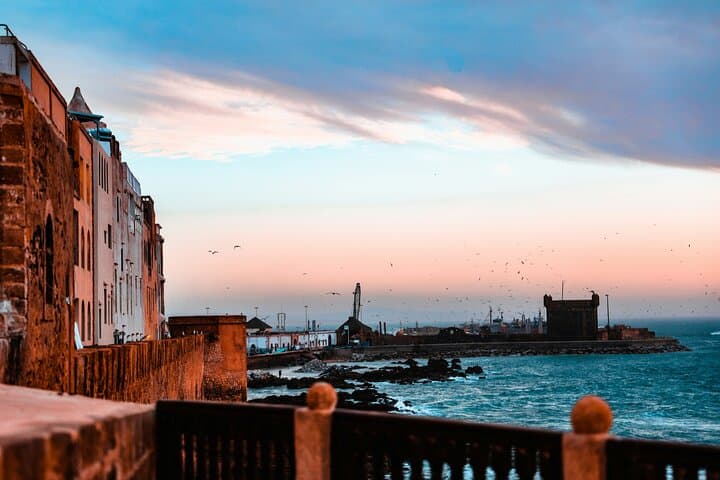
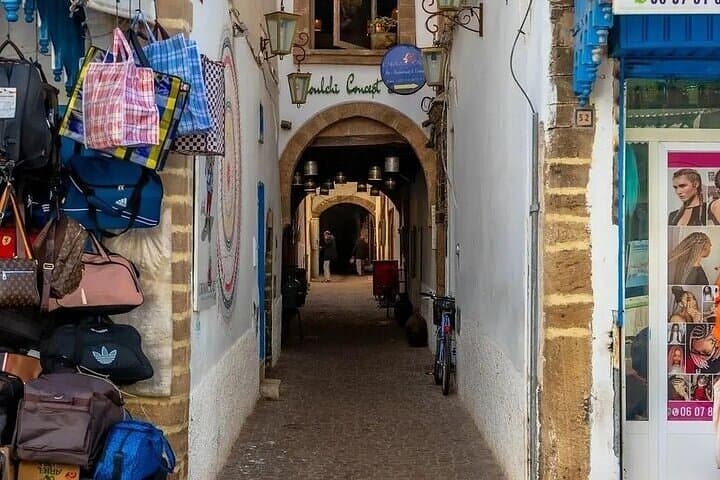
A salt-slick wind meets the minibus as it drops you at Essaouira’s harbor: blue boats rock against timber, gulls argue over fresh catch, and a stretch of pale sand stretches west to the Atlantic. The medina opens like a working map—narrow alleys, worn wooden doors, and open workshops where craftsmen hammer thuya wood into decorative panels.
Verified experiences and guided adventures in the surrounding area.
Operated by Africa Tours Marrakech LLC · Essaouira, Marrakech-Safi
A salt-slick wind meets the minibus as it drops you at Essaouira’s harbor: blue boats rock against timber, gulls argue over fresh catch, and a stretch of pale sand stretches west to the Atlantic. The medina opens like a working map—narrow alleys, worn wooden doors, and open workshops where craftsmen hammer thuya wood into decorative panels.
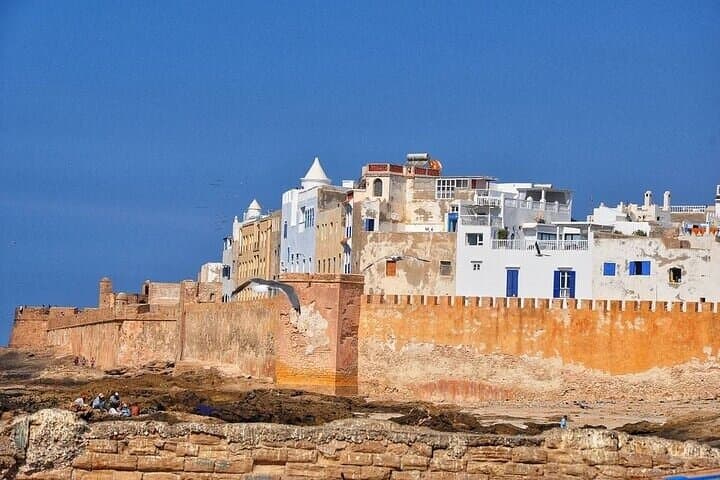
Essaouira (historically Mogador) earned a UNESCO listing for its 18th-century layout and coastal fortifications built under European and Moroccan influence. The town sits on a low-lying Atlantic shelf—sandy beaches, shallow reefs, and wind-carved dunes that make the bay reliably breezy and excellent for kite and windsurfing. Local culture centers on fishing, argan cooperatives, and a long tradition of maritime trade; Gnawa music echoes a hybrid history of African and Andalusian influences.
On this full-day excursion you’ll travel ~170 km from Marrakech (about 2.5 hours each way) in an air-conditioned vehicle, with guided walks through the medina, the fishing port, the Skala du Port ramparts, and a stop at an argan cooperative. Expect cobbled streets, uneven steps, and strong coastal wind—comfortable shoes and layered clothing are practical. Lunch typically features freshly grilled fish at a portside restaurant.
Timing matters: arrive mid-morning to avoid the windiest late afternoons if you prefer calmer streets. Bring cash for small purchases and plan for roughly 9–10 hours total including transfers. The trip balances effortless sightseeing with enough on-foot exploration to feel grounded in Essaouira’s maritime character.
easy.
9–10 hours.
Light—suitable for most travelers who can handle 2–3 hours of walking on uneven surfaces
The transfer is about 170 km and typically takes 2.5 to 3 hours each way depending on traffic and stops.
The medina has narrow, uneven cobblestone streets and steps; mobility access is limited—contact the operator about alternate arrangements.
A lunch break at a local restaurant is scheduled; confirm whether a specific meal is included or if you’ll cover it on the day.
Yes—many cooperatives are organized for visitors to see production and buy products; shops support local women’s cooperatives but expect some sales pressure.
Essaouira (Mogador) grew into an 18th-century fortified port under Sultan Mohammed ben Abdallah, later shaped by Portuguese and European maritime influence and Atlantic trade.
Argan cooperatives help protect surrounding argan forest through sustainable harvests; visitors should avoid disturbing dunes and pick up litter to limit coastal erosion and marine debris.
Africa Tours Marrakech LLC operates guided outdoor trips and adventures with an emphasis on safety, stewardship, and memorable experiences.
A salt-slick wind meets the minibus as it drops you at Essaouira’s harbor: blue boats rock against timber, gulls argue over fresh catch, and a stretch of pale sand stretches west to the Atlantic. The medina opens like a working map—narrow alleys, worn wooden doors, and open workshops where craftsmen hammer thuya wood into decorative panels.
A salt-slick wind meets the minibus as it drops you at Essaouira’s harbor: blue boats rock against timber, gulls argue over fresh catch, and a stretch of pale sand stretches west to the Atlantic. The medina opens like a working map—narrow alleys, worn wooden doors, and open workshops where craftsmen hammer thuya wood into decorative panels.
Essaouira (historically Mogador) earned a UNESCO listing for its 18th-century layout and coastal fortifications built under European and Moroccan influence. The town sits on a low-lying Atlantic shelf—sandy beaches, shallow reefs, and wind-carved dunes that make the bay reliably breezy and excellent for kite and windsurfing. Local culture centers on fishing, argan cooperatives, and a long tradition of maritime trade; Gnawa music echoes a hybrid history of African and Andalusian influences.
On this full-day excursion you’ll travel ~170 km from Marrakech (about 2.5 hours each way) in an air-conditioned vehicle, with guided walks through the medina, the fishing port, the Skala du Port ramparts, and a stop at an argan cooperative. Expect cobbled streets, uneven steps, and strong coastal wind—comfortable shoes and layered clothing are practical. Lunch typically features freshly grilled fish at a portside restaurant.
Timing matters: arrive mid-morning to avoid the windiest late afternoons if you prefer calmer streets. Bring cash for small purchases and plan for roughly 9–10 hours total including transfers. The trip balances effortless sightseeing with enough on-foot exploration to feel grounded in Essaouira’s maritime character.