THE ADVENTURE COLLECTIVE® · Independent discovery and booking for outdoor travel

Move between limestone cliffs and turquoise water on a guided coasteering circuit around Mallorca. Expect cliff scrambles, sea-cave exploration and guided jumps with provided wetsuit, harness and helmet.
Move between limestone cliffs and turquoise water on a guided coasteering circuit around Mallorca. Expect cliff scrambles, sea-cave exploration and guided jumps with provided wetsuit, harness and helmet.
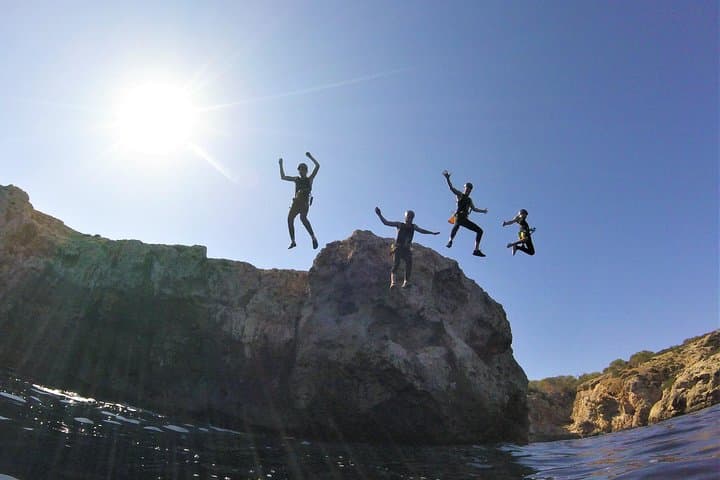
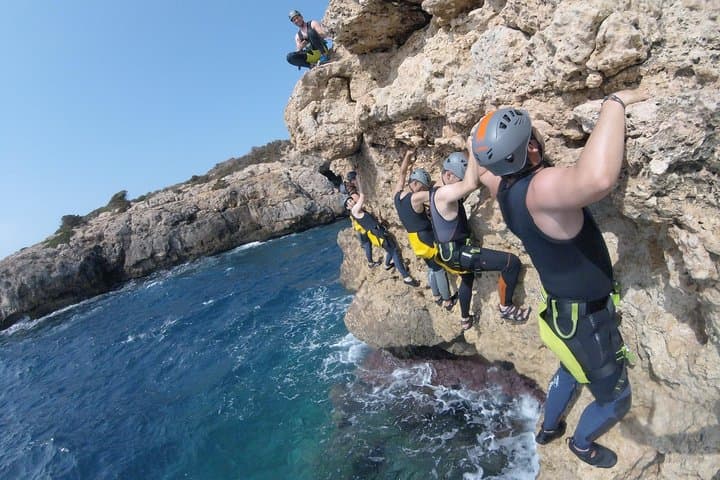
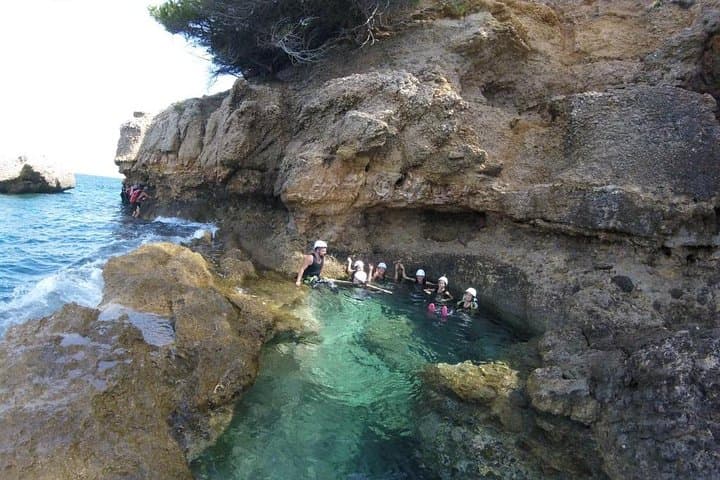
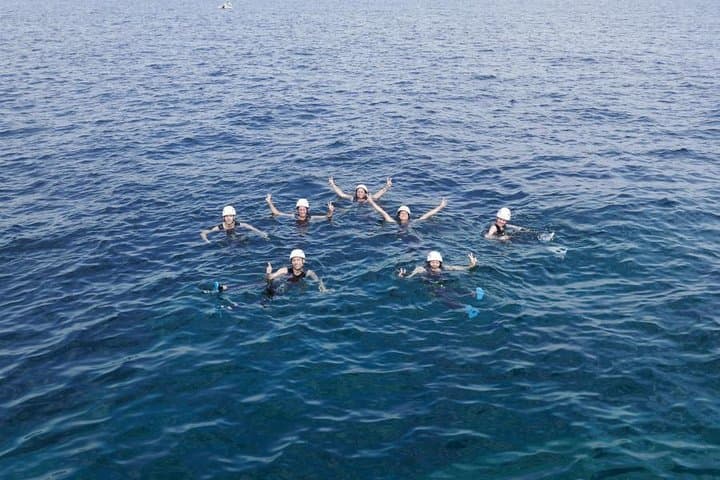
A wind-licked cove opens ahead: limestone cliffs step down into turquoise water that tugs at your ankles and dares you to jump. On a typical Coasteering Mallorca circuit you move between land and sea—short coastal scrambles, rock jumps from varying heights, explorations of sea caves and a few abseils or water ziplines—each transition a small, deliberate negotiation with the coastline’s angles and tides.
Verified experiences and guided adventures in the surrounding area.
Operated by Explora Mallorca · Palma de Mallorca, Balearic Islands
A wind-licked cove opens ahead: limestone cliffs step down into turquoise water that tugs at your ankles and dares you to jump. On a typical Coasteering Mallorca circuit you move between land and sea—short coastal scrambles, rock jumps from varying heights, explorations of sea caves and a few abseils or water ziplines—each transition a small, deliberate negotiation with the coastline’s angles and tides.
Mallorca’s north and east coasts are carved from Miocene limestone; terraces and karst cliffs record an island shaped by uplift and wave-driven erosion. The island’s maritime culture is pragmatic—fishermen’s paths now double as access routes for modern sea adventurers—and local guides blend safety techniques born of that tradition with modern equipment.
Expect rocky ledges, narrow gullies and short hikes between cliff platforms (typical circuits cover a few kilometers of shoreline with cumulative ascent/descent often under 100 m). Water sections demand basic swimming ability and confidence with currents; guides provide wetsuits, helmets and harnesses. The experience is kinetic: the sea nudges you forward, gulls wheel overhead and below the surface coastal fish flit between Posidonia meadows.
Practical tips: arrive hydrated and fed, wear sturdy water shoes with good tread, and apply reef-safe sunscreen. Check tide and weather—rough seas cancel sessions—and let guides know about any medical issues ahead of time. Tours run year-round with thicker wetsuits in winter; summer brings warmer water but busier shores. For an adventurous half-day that mixes exposure with safe instruction, Coasteering Mallorca delivers hands-on coastal terrain and a clear sense of place.
moderate.
3 hours.
Moderate—comfortable walking over uneven terrain, basic swimming confidence, and no serious mobility restrictions.
Yes—participants should be comfortable in open water and able to float or tread water; guides stay close but this is not a confined-pool environment.
Wear quick‑dry clothing and closed‑toe water shoes; the operator supplies wetsuit, helmet and harness when required.
Yes—routes are designed for mixed ability; guides scale the route and jumps to group ability, but you should have moderate fitness and no serious medical issues.
Trips are canceled for rough seas or high winds; refunds or rescheduling are typically offered if the operator cancels due to weather (confirm at booking).
Mallorca’s coastal paths follow old fishermen’s and lime-kiln tracks; many access points used today have centuries of local use tied to fishing and small-scale maritime trade.
Avoid stepping on Posidonia beds and use reef‑safe sunscreen; operators emphasize leave-no-trace and minimize anchor or shoreline impact.
Explora Mallorca operates guided outdoor trips and adventures with an emphasis on safety, stewardship, and memorable experiences.
A wind-licked cove opens ahead: limestone cliffs step down into turquoise water that tugs at your ankles and dares you to jump. On a typical Coasteering Mallorca circuit you move between land and sea—short coastal scrambles, rock jumps from varying heights, explorations of sea caves and a few abseils or water ziplines—each transition a small, deliberate negotiation with the coastline’s angles and tides.
A wind-licked cove opens ahead: limestone cliffs step down into turquoise water that tugs at your ankles and dares you to jump. On a typical Coasteering Mallorca circuit you move between land and sea—short coastal scrambles, rock jumps from varying heights, explorations of sea caves and a few abseils or water ziplines—each transition a small, deliberate negotiation with the coastline’s angles and tides.
Mallorca’s north and east coasts are carved from Miocene limestone; terraces and karst cliffs record an island shaped by uplift and wave-driven erosion. The island’s maritime culture is pragmatic—fishermen’s paths now double as access routes for modern sea adventurers—and local guides blend safety techniques born of that tradition with modern equipment.
Expect rocky ledges, narrow gullies and short hikes between cliff platforms (typical circuits cover a few kilometers of shoreline with cumulative ascent/descent often under 100 m). Water sections demand basic swimming ability and confidence with currents; guides provide wetsuits, helmets and harnesses. The experience is kinetic: the sea nudges you forward, gulls wheel overhead and below the surface coastal fish flit between Posidonia meadows.
Practical tips: arrive hydrated and fed, wear sturdy water shoes with good tread, and apply reef-safe sunscreen. Check tide and weather—rough seas cancel sessions—and let guides know about any medical issues ahead of time. Tours run year-round with thicker wetsuits in winter; summer brings warmer water but busier shores. For an adventurous half-day that mixes exposure with safe instruction, Coasteering Mallorca delivers hands-on coastal terrain and a clear sense of place.