THE ADVENTURE COLLECTIVE® · Independent discovery and booking for outdoor travel

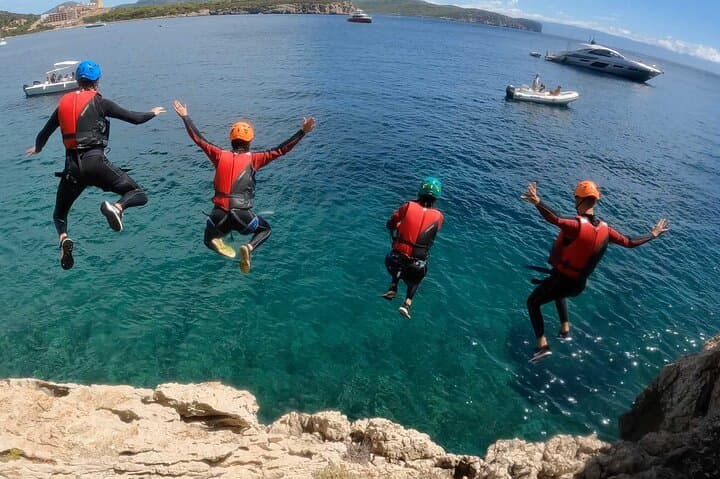
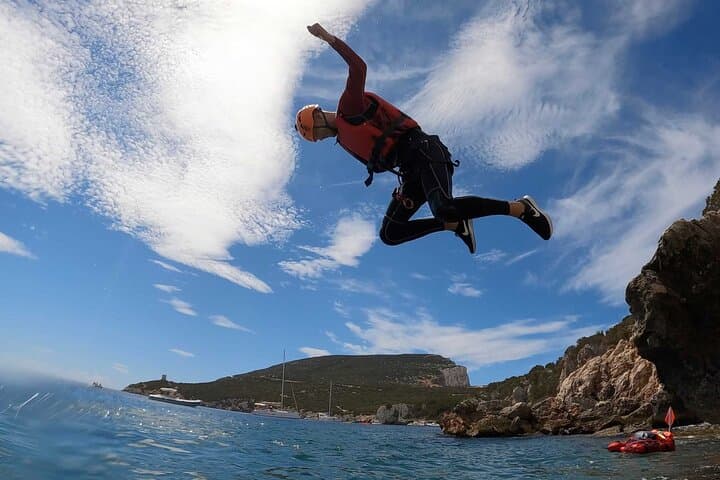
Explore Capo Caccia’s cliffs and sea caves on a guided coasteering trip from Alghero. Expect swims, optional jumps (1–6 m) and a 12–15 m rope descent in the Porto Conte marine protected area.
Explore Capo Caccia’s cliffs and sea caves on a guided coasteering trip from Alghero. Expect swims, optional jumps (1–6 m) and a 12–15 m rope descent in the Porto Conte marine protected area.
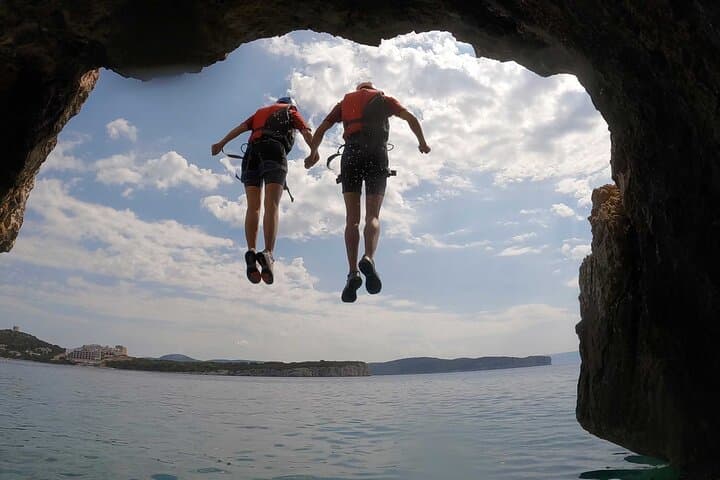
You step off a dusty parking track and the cliff-face breathes salt and sunlight—Capo Caccia’s limestone drops tilt toward the sea, and Cala Dragunara sits like an opened palm of sand and stone. Guides brief the group on a small strand of shore, then you push off into water that moves with a clear, cool insistence: swim corridors, narrow coves and the dark mouths of caves waiting to be entered.
Verified experiences and guided adventures in the surrounding area.
Operated by Escursì - experience sardinia · Alghero, Sardinia
You step off a dusty parking track and the cliff-face breathes salt and sunlight—Capo Caccia’s limestone drops tilt toward the sea, and Cala Dragunara sits like an opened palm of sand and stone. Guides brief the group on a small strand of shore, then you push off into water that moves with a clear, cool insistence: swim corridors, narrow coves and the dark mouths of caves waiting to be entered.
The route threads Porto Conte Regional Park’s western promontory, a protected landscape created in 1999 whose limestone shelves record fossil-rich geology and centuries of maritime traffic. The adjacent Capo Caccia marine protected area (est. 2002) preserves coral, fish shoals and underwater caves; local fishing traditions and Alghero’s Catalan-influenced culture still color the towns inland.
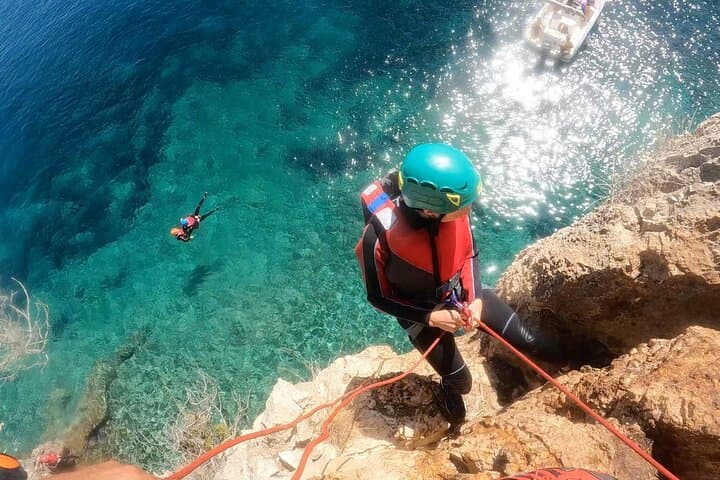
Expect a 3-hour outing with roughly 2–2.5 hours in the sea and about 500 m of coastal travel. Typical moves include low and medium jumps (1–6 m optional), short swims, and a technical rope descent of 12–15 m into the emerald water. Guides provide a wetsuit, helmet, harness and life jacket; participants must be 12+ and able to swim. Meeting is at the dirt parking on the road to Cala Dragunara—arrive early for kit, weight/height checks and a safety briefing.
Practical edge: wear grippy water shoes, bring a filled water bottle and sunscreen, and layer a light thermal under the wetsuit if the breeze is strong. The coastline demands attention—tidal pockets, slick rock and sudden drops—so follow the guide, keep pace, and be ready to climb, slide, and drop into one of Sardinia’s most immediate sea experiences.
moderate.
3 hours.
Suitable for people with basic aerobic fitness and swimming ability; you should be comfortable with short swims, climbing on rocks, and exposed rope descents.
Yes—participants must be comfortable in open water and able to swim short distances; guides wear lifejackets but basic swimming ability is required.
Minimum age is 12; not recommended for pregnant people, those with serious heart or spinal conditions, or poor cardiovascular health.
Rappels are guided with harness and helmet; heights are typically 12–15 m and instructors manage safety lines—comfort with exposure is helpful.
You meet at the dirt parking lots on the road to Cala Dragunara; allow extra time for walking to the cove and kit fitting.
Porto Conte Regional Park was established in 1999 and includes Capo Caccia; the area’s limestone cliffs preserve marine fossils and reflect centuries of Mediterranean navigation.
The Capo Caccia marine protected area restricts anchoring and extraction to protect coral and fish habitats—follow guide instructions, avoid collecting shells, and minimize noise and litter.
Escursì - experience sardinia operates guided outdoor trips and adventures with an emphasis on safety, stewardship, and memorable experiences.
You step off a dusty parking track and the cliff-face breathes salt and sunlight—Capo Caccia’s limestone drops tilt toward the sea, and Cala Dragunara sits like an opened palm of sand and stone. Guides brief the group on a small strand of shore, then you push off into water that moves with a clear, cool insistence: swim corridors, narrow coves and the dark mouths of caves waiting to be entered.
You step off a dusty parking track and the cliff-face breathes salt and sunlight—Capo Caccia’s limestone drops tilt toward the sea, and Cala Dragunara sits like an opened palm of sand and stone. Guides brief the group on a small strand of shore, then you push off into water that moves with a clear, cool insistence: swim corridors, narrow coves and the dark mouths of caves waiting to be entered.
The route threads Porto Conte Regional Park’s western promontory, a protected landscape created in 1999 whose limestone shelves record fossil-rich geology and centuries of maritime traffic. The adjacent Capo Caccia marine protected area (est. 2002) preserves coral, fish shoals and underwater caves; local fishing traditions and Alghero’s Catalan-influenced culture still color the towns inland.
Expect a 3-hour outing with roughly 2–2.5 hours in the sea and about 500 m of coastal travel. Typical moves include low and medium jumps (1–6 m optional), short swims, and a technical rope descent of 12–15 m into the emerald water. Guides provide a wetsuit, helmet, harness and life jacket; participants must be 12+ and able to swim. Meeting is at the dirt parking on the road to Cala Dragunara—arrive early for kit, weight/height checks and a safety briefing.
Practical edge: wear grippy water shoes, bring a filled water bottle and sunscreen, and layer a light thermal under the wetsuit if the breeze is strong. The coastline demands attention—tidal pockets, slick rock and sudden drops—so follow the guide, keep pace, and be ready to climb, slide, and drop into one of Sardinia’s most immediate sea experiences.