THE ADVENTURE COLLECTIVE® · Independent discovery and booking for outdoor travel

Trace the coastal route where troops practiced the landings that preceded D‑Day. This private, eight‑hour tour visits Plymouth, Slapton Sands, Dartmouth and Brixham, pairing wartime history with dramatic shorelines and short walks.
Trace the coastal route where troops practiced the landings that preceded D‑Day. This private, eight‑hour tour visits Plymouth, Slapton Sands, Dartmouth and Brixham, pairing wartime history with dramatic shorelines and short walks.
You step aboard an air-conditioned private coach as the Channel light flattens into silver and the road follows the coast—salt spray hinted on the breeze, gulls wheeling above the cliffs. Over eight hours the route threads between naval docks, wartime batteries and a narrow shingle causeway that still bears the scars of training for D-Day.
Verified experiences and guided adventures in the surrounding area.
Operated by DEVON&MOOR walking and driving tours · Plymouth, Devon
You step aboard an air-conditioned private coach as the Channel light flattens into silver and the road follows the coast—salt spray hinted on the breeze, gulls wheeling above the cliffs. Over eight hours the route threads between naval docks, wartime batteries and a narrow shingle causeway that still bears the scars of training for D-Day.
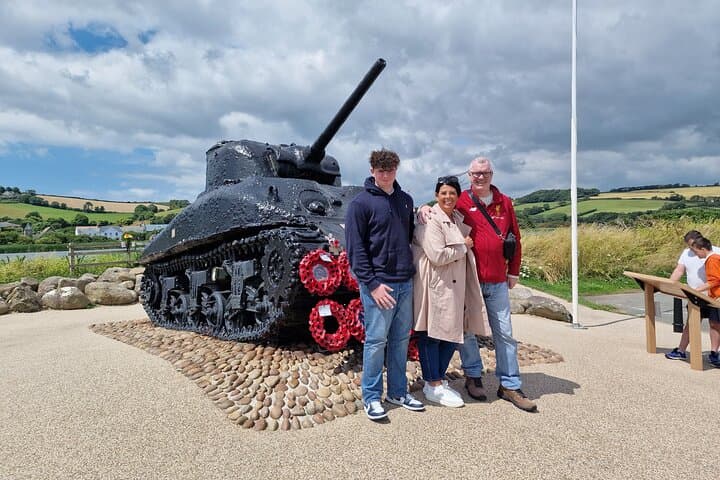
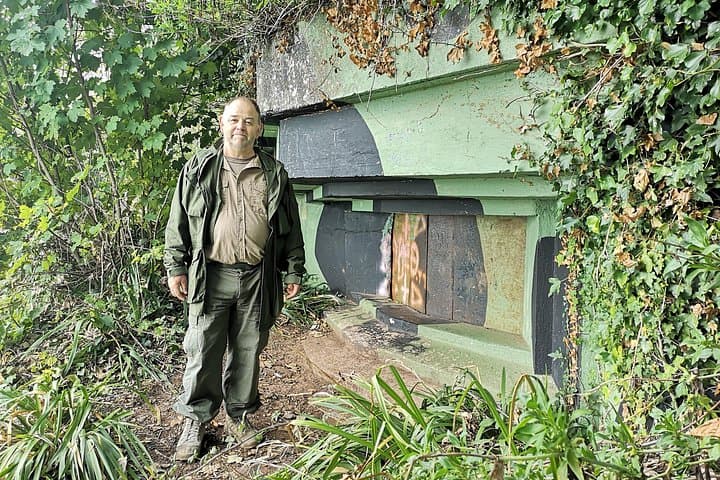
Devon’s south coast played an outsized role in World War II. Plymouth became a major embarkation and target for bombing campaigns; Slapton Sands and the adjacent freshwater of Slapton Ley were used for amphibious rehearsal exercises—one of which, Exercise Tiger, ended in tragedy for US troops. Dartmouth’s castle spans centuries of coastal defense, adapted in wartime with modern artillery, while Brixham preserves gun batteries that once watched Start Bay.
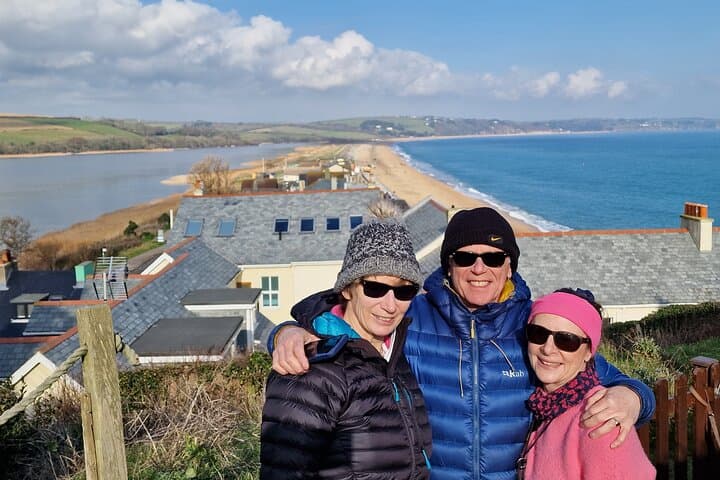
Geology here is simple and stark: cliffs of Devonian rocks give way to pebble beaches and the thin shingle ridge separating sea and ley. Culture is maritime—fishing trawlers unloading in Brixham, naval ceremony in Plymouth and town plaques that mark American and British wartime ties.
On the practical side: expect an 8-hour private tour with short walks at viewpoints and memorials; moderate fitness and steady mobility for brief stops are advised. Weather changes rapidly—bring waterproof layers, sturdy shoes and binoculars for offshore wildlife. Photography is welcome but be respectful at memorials; follow guide instructions near cliffs and coastal roads. This is a tour that balances historical gravity with raw coastal scenery—accessible, informative and anchored in place.
moderate.
8 hours.
Moderate—able to walk short distances on uneven ground and board a vehicle several times during the day
The tour runs about 8 hours in a private, air‑conditioned vehicle with a driver/guide; stops at Plymouth, Slapton Sands, Dartmouth and Brixham are included, plus chilled water and all fees and taxes.
Short walks at viewpoints are required; visitors should have moderate mobility. Contact the operator about specific accessibility needs before booking.
The itinerary allows short visits; admissions are not automatically included—ask the operator in advance to tailor the day and add entry fees if desired.
The operator may cancel in bad weather (per the policy). Coastal wind and rain can limit walking, but the coach provides shelter and views along the route.
Devon hosted large concentrations of US troops preparing for Normandy; Plymouth was a major embarkation port and endured intense WWII bombing. Slapton Sands was the site of disastrous Exercise Tiger rehearsals.
Coastal erosion and storm damage threaten Slapton Ley’s shingle ridge—stay on marked paths, avoid disturbing nesting birds, and take all litter with you to protect fragile habitats.
DEVON&MOOR walking and driving tours operates guided outdoor trips and adventures with an emphasis on safety, stewardship, and memorable experiences.
You step aboard an air-conditioned private coach as the Channel light flattens into silver and the road follows the coast—salt spray hinted on the breeze, gulls wheeling above the cliffs. Over eight hours the route threads between naval docks, wartime batteries and a narrow shingle causeway that still bears the scars of training for D-Day.
You step aboard an air-conditioned private coach as the Channel light flattens into silver and the road follows the coast—salt spray hinted on the breeze, gulls wheeling above the cliffs. Over eight hours the route threads between naval docks, wartime batteries and a narrow shingle causeway that still bears the scars of training for D-Day.
Devon’s south coast played an outsized role in World War II. Plymouth became a major embarkation and target for bombing campaigns; Slapton Sands and the adjacent freshwater of Slapton Ley were used for amphibious rehearsal exercises—one of which, Exercise Tiger, ended in tragedy for US troops. Dartmouth’s castle spans centuries of coastal defense, adapted in wartime with modern artillery, while Brixham preserves gun batteries that once watched Start Bay.
Geology here is simple and stark: cliffs of Devonian rocks give way to pebble beaches and the thin shingle ridge separating sea and ley. Culture is maritime—fishing trawlers unloading in Brixham, naval ceremony in Plymouth and town plaques that mark American and British wartime ties.
On the practical side: expect an 8-hour private tour with short walks at viewpoints and memorials; moderate fitness and steady mobility for brief stops are advised. Weather changes rapidly—bring waterproof layers, sturdy shoes and binoculars for offshore wildlife. Photography is welcome but be respectful at memorials; follow guide instructions near cliffs and coastal roads. This is a tour that balances historical gravity with raw coastal scenery—accessible, informative and anchored in place.