THE ADVENTURE COLLECTIVE® · Independent discovery and booking for outdoor travel

A full-day coastal loop from Pasikudah that pairs protected reef snorkeling at Pigeon Island with cultural stops at Koneswaram Temple and Fort Fredrick, a seafood lunch, and a mangrove boat ride. Ideal for travelers who want wildlife, history and easy adventure in one long day.
A full-day coastal loop from Pasikudah that pairs protected reef snorkeling at Pigeon Island with cultural stops at Koneswaram Temple and Fort Fredrick, a seafood lunch, and a mangrove boat ride. Ideal for travelers who want wildlife, history and easy adventure in one long day.
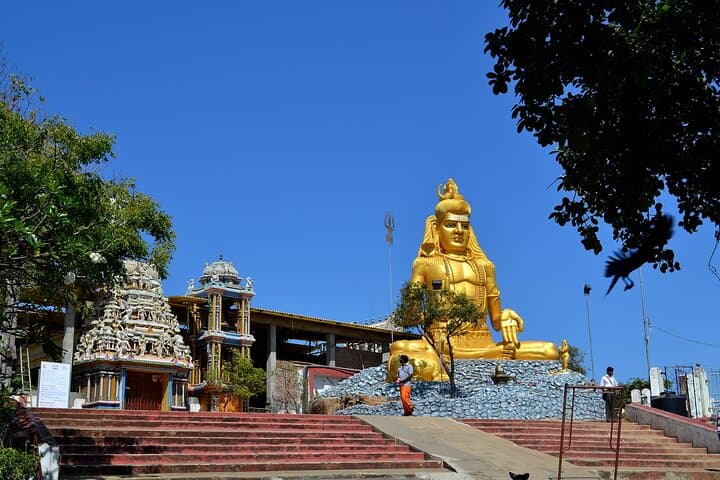
You step off the air-conditioned vehicle and the ocean opens — a bright strip of Nilaveli sand, gulls arguing overhead, and a turquoise slope that leads to Pigeon Island’s fringe reefs. The day moves like a tide: snorkeling through shallow coral gardens, wandering the ramparts of Fort Fredrick where wild deer graze between colonial stones, and climbing to Koneswaram Temple perched on a cliff that watches the Indian Ocean.
Verified experiences and guided adventures in the surrounding area.
Operated by Classical Lanka Tours · Trincomalee, Eastern Province
You step off the air-conditioned vehicle and the ocean opens — a bright strip of Nilaveli sand, gulls arguing overhead, and a turquoise slope that leads to Pigeon Island’s fringe reefs. The day moves like a tide: snorkeling through shallow coral gardens, wandering the ramparts of Fort Fredrick where wild deer graze between colonial stones, and climbing to Koneswaram Temple perched on a cliff that watches the Indian Ocean.
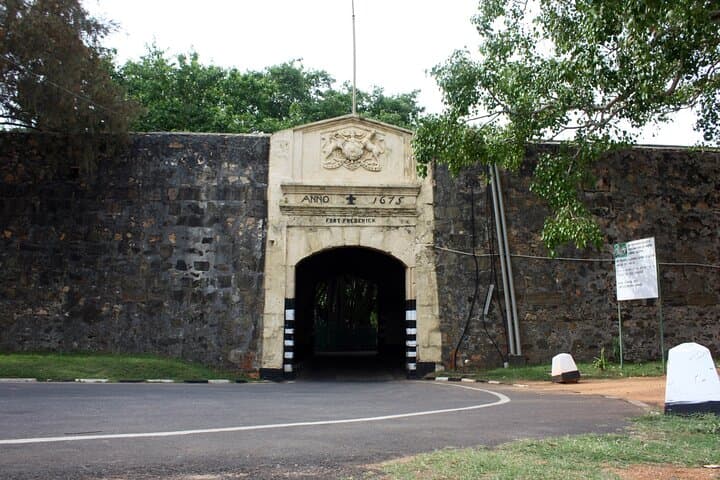
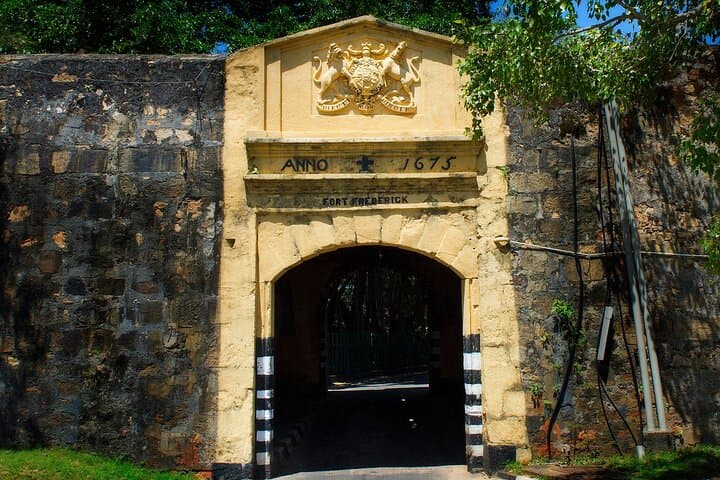
Geology here is straightforward and raw: uplifted coastal plateaus, ancient metamorphic bedrock nearby, and offshore reefs that formed on a narrow continental shelf. Trincomalee’s harbor has been a strategic anchor for centuries, drawing Portuguese, Dutch and British influences — traces of which remain in Fort Fredrick and the coastal trade that feeds the fish market.
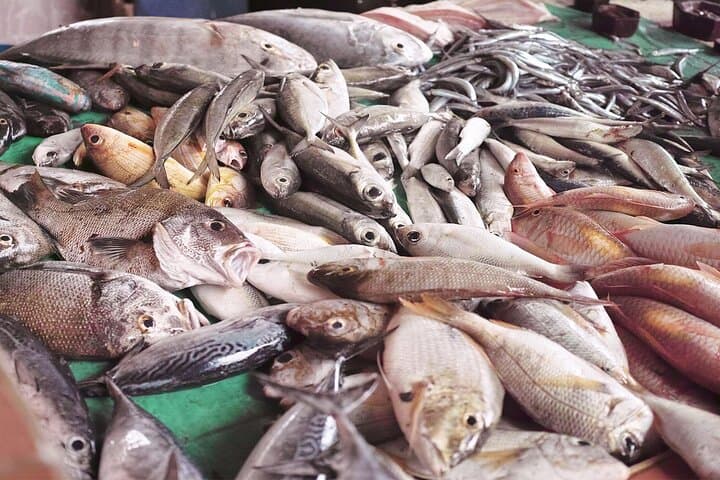
Culturally, the Koneswaram Kovil is a living site of Hindu worship with rituals timed to tides; the fish market is a practical theatre of local life where traders call, weigh and sort the day’s catch. Conservation is visible — Pigeon Island is a protected marine park, and guides commonly brief visitors on reef-safe sunblock and distance from corals.
Practical guidance: expect a 10–12 hour private tour with hotel pickup from Pasikudah, guided snorkeling (2–3 hours) with gear provided, shore visits to the temple, fort and beach, a seafood lunch, and a mangrove lagoon boat trip.
Bring reef-friendly sunscreen, a towel and a rashguard, and pace yourself for hot sun and salty wind. Hydrate between stops and listen to the guide: currents near the island can be playful and require respect.
moderate.
10–12 hours.
Moderate — able to board small boats, snorkel for up to 2–3 hours and manage brief temple/fort climbs
Yes — guided snorkeling is provided with life vests and basic coaching; swimmers should be comfortable in shallow open water and follow the guide’s instructions.
Most operators can accommodate basic preferences if notified in advance — request alternatives for non-seafood or allergies when booking.
Expect short climbs and stair sections at the temple and fort; comfortable footwear and a moderate fitness level are recommended.
Infant seats and flotation aids are available; non-swimmers can use life vests and stay on the boat or shallower snorkel zones per the guide’s plan.
Trincomalee has been a strategic harbor for centuries; Fort Fredrick (17th century) and Koneswaram reflect layered colonial and religious histories tied to Indian Ocean trade.
Pigeon Island is a designated marine national park; visitors are encouraged to avoid touching coral and to use reef-safe products to reduce reef damage.
Classical Lanka Tours operates guided outdoor trips and adventures with an emphasis on safety, stewardship, and memorable experiences.
You step off the air-conditioned vehicle and the ocean opens — a bright strip of Nilaveli sand, gulls arguing overhead, and a turquoise slope that leads to Pigeon Island’s fringe reefs. The day moves like a tide: snorkeling through shallow coral gardens, wandering the ramparts of Fort Fredrick where wild deer graze between colonial stones, and climbing to Koneswaram Temple perched on a cliff that watches the Indian Ocean.
You step off the air-conditioned vehicle and the ocean opens — a bright strip of Nilaveli sand, gulls arguing overhead, and a turquoise slope that leads to Pigeon Island’s fringe reefs. The day moves like a tide: snorkeling through shallow coral gardens, wandering the ramparts of Fort Fredrick where wild deer graze between colonial stones, and climbing to Koneswaram Temple perched on a cliff that watches the Indian Ocean.
Geology here is straightforward and raw: uplifted coastal plateaus, ancient metamorphic bedrock nearby, and offshore reefs that formed on a narrow continental shelf. Trincomalee’s harbor has been a strategic anchor for centuries, drawing Portuguese, Dutch and British influences — traces of which remain in Fort Fredrick and the coastal trade that feeds the fish market.
Culturally, the Koneswaram Kovil is a living site of Hindu worship with rituals timed to tides; the fish market is a practical theatre of local life where traders call, weigh and sort the day’s catch. Conservation is visible — Pigeon Island is a protected marine park, and guides commonly brief visitors on reef-safe sunblock and distance from corals.
Practical guidance: expect a 10–12 hour private tour with hotel pickup from Pasikudah, guided snorkeling (2–3 hours) with gear provided, shore visits to the temple, fort and beach, a seafood lunch, and a mangrove lagoon boat trip.
Bring reef-friendly sunscreen, a towel and a rashguard, and pace yourself for hot sun and salty wind. Hydrate between stops and listen to the guide: currents near the island can be playful and require respect.