THE ADVENTURE COLLECTIVE® · Independent discovery and booking for outdoor travel

Leave Trieste for a 6–7 hour loop along the Slovenian Adriatic: Koper, Izola, Piran and Portorož, capped by a village wine tasting in Slovenian Istria. Expect cobbled streets, coastal viewpoints and three regional wines paired with local insights.
Leave Trieste for a 6–7 hour loop along the Slovenian Adriatic: Koper, Izola, Piran and Portorož, capped by a village wine tasting in Slovenian Istria. Expect cobbled streets, coastal viewpoints and three regional wines paired with local insights.
You step away from Trieste’s wide coffee-stained piazzas into a van that hums toward the Slovenian shore, the Adriatic sliding into view like a held breath.
Verified experiences and guided adventures in the surrounding area.
Operated by Meet the locals in Slovenia · Trieste, Friuli-Venezia Giulia
You step away from Trieste’s wide coffee-stained piazzas into a van that hums toward the Slovenian shore, the Adriatic sliding into view like a held breath.
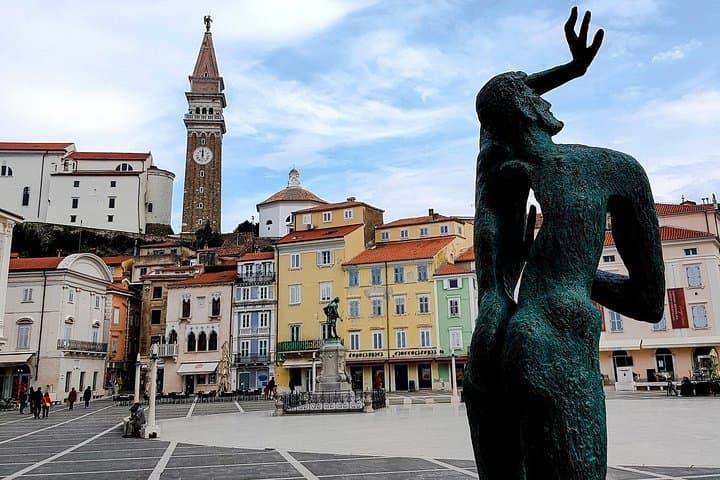
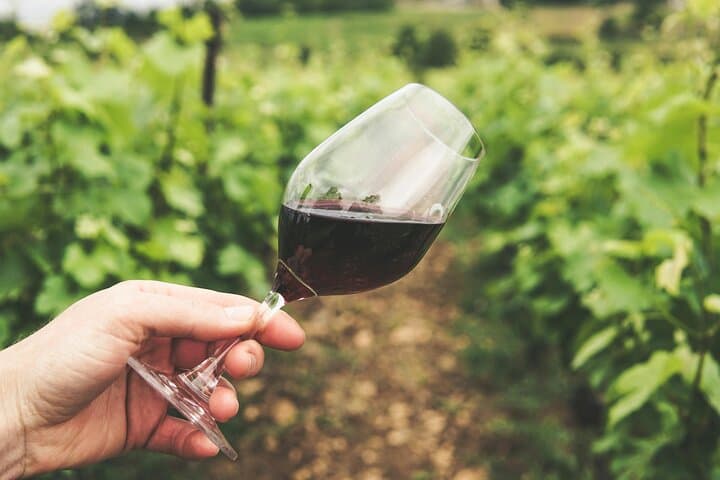
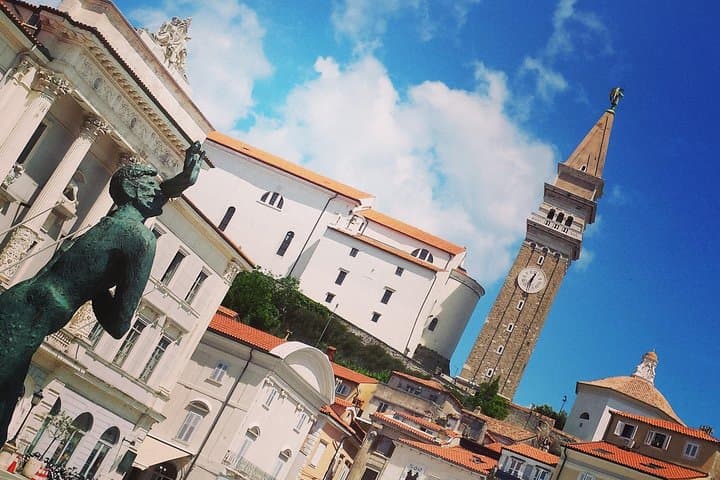
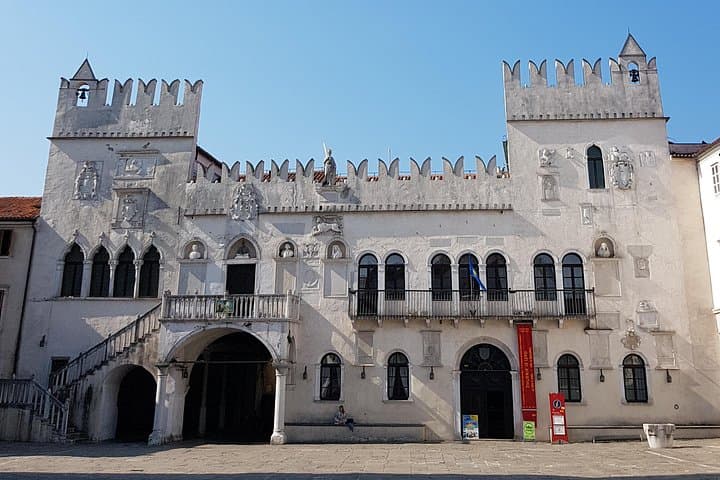
The route threads Koper’s compact harbor and medieval squares, skirts Izola’s low cliffs for a quick photo pause, then lets Piran’s Venetian‑era facades unfold along its cobbled waterfront. Portorož shows a softer, resort-side face before the van climbs into Slovenian Istria—vine terraces and a small village where a local producer pours three regional wines and talks soil, grapes and coastal sun.
This coastline bears layers of history: Venetian rule and Austro-Hungarian administration shaped port towns, while the Karst limestone and narrow coves defined fishing, salt pans and settlement patterns. Cultural notes arrive in café rituals (Trieste’s espresso culture bleeds across the border) and in Istrian varietals—Malvazija, Refosk and Rebula—whose minerally profiles reflect the rocky soils.
Practicalities matter: expect 6–7 hours, short guided walks on uneven cobbles, and photo stops from roadside viewpoints. The tour uses an air‑conditioned vehicle and returns to your Trieste accommodation; wine tasting includes three local samples—bring ID. Footwear with traction, sun protection, and a small daypack make the day smoother.
For travelers who want a compact mix of coastal scenery, urban strolls and a grounded introduction to Slovene wine, this day trip pairs easy walking with landscape‑driven tasting notes—an accessible way to add a rural vineyard conversation to Adriatic sightseeing.
easy.
6–7 hours.
Suitable for most fitness levels; involves short periods of walking and standing on uneven surfaces
The tour runs approximately 6–7 hours (360–420 minutes) with multiple stops and a wine tasting included.
Yes—an air-conditioned vehicle and return to your accommodation in Trieste are provided.
No—Slovenian wineries follow legal drinking age rules; you must present valid ID to participate.
Walking is light to moderate: short guided strolls on cobbles and steps around town centers and viewpoints.
The Slovenian coast reflects Venetian maritime influence and later Austro-Hungarian administration; towns like Piran and Koper retain medieval layouts and architecture.
Tourism-sensitive coastal habitats and vineyards benefit from low-impact visits—stick to marked paths, avoid disturbing shoreline vegetation, and support local producers.
Meet the locals in Slovenia operates guided outdoor trips and adventures with an emphasis on safety, stewardship, and memorable experiences.
You step away from Trieste’s wide coffee-stained piazzas into a van that hums toward the Slovenian shore, the Adriatic sliding into view like a held breath.
You step away from Trieste’s wide coffee-stained piazzas into a van that hums toward the Slovenian shore, the Adriatic sliding into view like a held breath.
The route threads Koper’s compact harbor and medieval squares, skirts Izola’s low cliffs for a quick photo pause, then lets Piran’s Venetian‑era facades unfold along its cobbled waterfront. Portorož shows a softer, resort-side face before the van climbs into Slovenian Istria—vine terraces and a small village where a local producer pours three regional wines and talks soil, grapes and coastal sun.
This coastline bears layers of history: Venetian rule and Austro-Hungarian administration shaped port towns, while the Karst limestone and narrow coves defined fishing, salt pans and settlement patterns. Cultural notes arrive in café rituals (Trieste’s espresso culture bleeds across the border) and in Istrian varietals—Malvazija, Refosk and Rebula—whose minerally profiles reflect the rocky soils.
Practicalities matter: expect 6–7 hours, short guided walks on uneven cobbles, and photo stops from roadside viewpoints. The tour uses an air‑conditioned vehicle and returns to your Trieste accommodation; wine tasting includes three local samples—bring ID. Footwear with traction, sun protection, and a small daypack make the day smoother.
For travelers who want a compact mix of coastal scenery, urban strolls and a grounded introduction to Slovene wine, this day trip pairs easy walking with landscape‑driven tasting notes—an accessible way to add a rural vineyard conversation to Adriatic sightseeing.