THE ADVENTURE COLLECTIVE® · Independent discovery and booking for outdoor travel

Drive the Amalfi cliffs, taste Sorrento’s citrus air and walk the ash-preserved streets of Pompeii in a single day. This guided, small-group excursion blends dramatic coastal scenery with one of Italy’s most compelling archaeological sites.
Drive the Amalfi cliffs, taste Sorrento’s citrus air and walk the ash-preserved streets of Pompeii in a single day. This guided, small-group excursion blends dramatic coastal scenery with one of Italy’s most compelling archaeological sites.
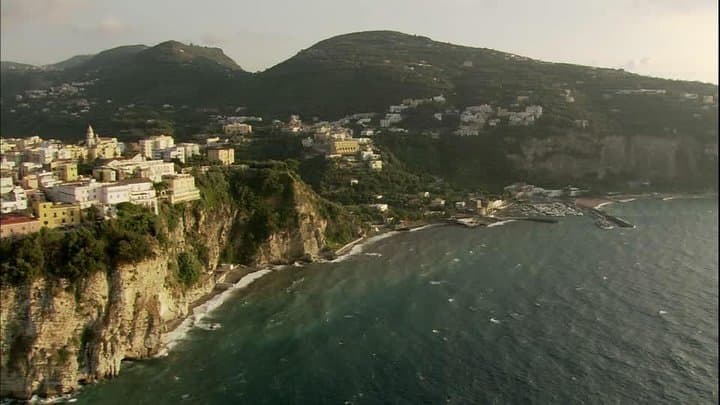
A gray-blue morning unfurls over the Amalfi road as the coach peels away from Naples and the sea eases into view—sharp cliffs, lemon terraces, and houses stacked like colored blocks. The drive itself stages the day: hairpin turns that reveal Positano’s pastel faces, the green bowl of Sorrento, and, farther inland, the silhouette of Vesuvius watching over Pompeii.
Verified experiences and guided adventures in the surrounding area.
Operated by See Amalfi Coast Special Tours · Pompeii, Campania
A gray-blue morning unfurls over the Amalfi road as the coach peels away from Naples and the sea eases into view—sharp cliffs, lemon terraces, and houses stacked like colored blocks. The drive itself stages the day: hairpin turns that reveal Positano’s pastel faces, the green bowl of Sorrento, and, farther inland, the silhouette of Vesuvius watching over Pompeii.
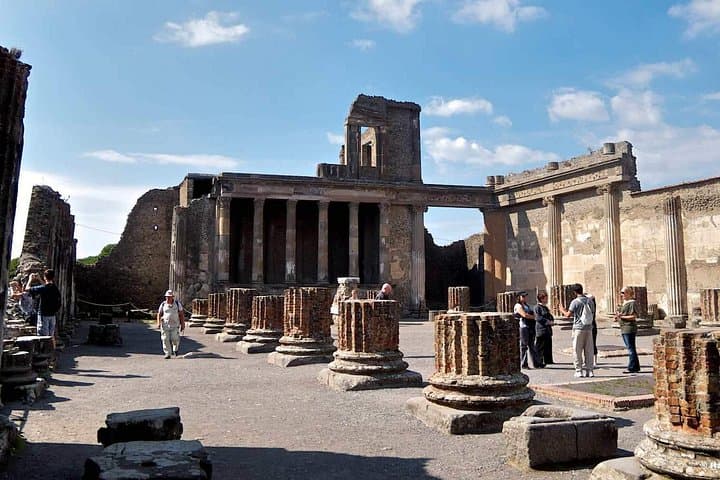
Geology and history meet on this route. The Amalfi cliffs are fractured limestone carved by rain and sea; citrus orchards cling to terraces held by ancient dry-stone walls. Sorrento’s streets recall Roman and Greek links to seafaring lore; the town historically supplied sailors and citrus to the region. Pompeii, buried in ash in AD 79, remains one of the world’s most complete snapshots of Roman urban life—forums, baths, frescoed houses and paved streets preserved under volcanic material.
Travelers should expect an active, full day: roughly 8 hours with multiple short walks—Positano’s hundreds of steps between road and shoreline, Sorrento’s compact cobbles, and around 2–3 km of walking through Pompeii on uneven, often hot stone surfaces. The tour’s skip-the-line access speeds entry at Pompeii, but crowds and sun can still make movement slow.
Practical guidance: wear supportive walking shoes and sun protection, carry 1–2 liters of water and a compact daypack, and plan for stairs and uneven terrain. Bring small change for cafés and public restrooms; many lunch spots in Sorrento and Positano are busy at midday. Pickup and drop-off are typically included; confirm pickup location in Naples or your port. This itinerary mixes coastal scenery with deep history—expect sensory contrasts and a day paced between lookout points and ancient streets.
moderate.
8 hours.
Able to walk 2–4 miles across uneven surfaces and climb/descend multiple stair sections; moderate stamina recommended.
No—mobile tickets are accepted; show the ticket and guide’s confirmation at the meeting point and at the site entrance.
Infants in strollers are possible in some sections, but many areas—especially Positano steps and parts of Pompeii—are not stroller-friendly; bring a carrier for small children.
Yes—there are cafés in Positano and Sorrento and public restrooms near Pompeii, but services can be limited and queues form at peak times.
The tour is labeled easy in booking terms but includes uneven ground and steps; travelers with limited mobility should check ahead to confirm accessibility and possible route adjustments.
Pompeii was buried by Mount Vesuvius in AD 79, preserving urban life under ash; Sorrento has ancient maritime links and long citrus cultivation history tied to trade.
Pompeii’s excavation is an ongoing conservation challenge—visitors are asked not to touch frescoes or walls and to stay on marked paths to protect fragile archaeology.
See Amalfi Coast Special Tours operates guided outdoor trips and adventures with an emphasis on safety, stewardship, and memorable experiences.
A gray-blue morning unfurls over the Amalfi road as the coach peels away from Naples and the sea eases into view—sharp cliffs, lemon terraces, and houses stacked like colored blocks. The drive itself stages the day: hairpin turns that reveal Positano’s pastel faces, the green bowl of Sorrento, and, farther inland, the silhouette of Vesuvius watching over Pompeii.
A gray-blue morning unfurls over the Amalfi road as the coach peels away from Naples and the sea eases into view—sharp cliffs, lemon terraces, and houses stacked like colored blocks. The drive itself stages the day: hairpin turns that reveal Positano’s pastel faces, the green bowl of Sorrento, and, farther inland, the silhouette of Vesuvius watching over Pompeii.
Geology and history meet on this route. The Amalfi cliffs are fractured limestone carved by rain and sea; citrus orchards cling to terraces held by ancient dry-stone walls. Sorrento’s streets recall Roman and Greek links to seafaring lore; the town historically supplied sailors and citrus to the region. Pompeii, buried in ash in AD 79, remains one of the world’s most complete snapshots of Roman urban life—forums, baths, frescoed houses and paved streets preserved under volcanic material.
Travelers should expect an active, full day: roughly 8 hours with multiple short walks—Positano’s hundreds of steps between road and shoreline, Sorrento’s compact cobbles, and around 2–3 km of walking through Pompeii on uneven, often hot stone surfaces. The tour’s skip-the-line access speeds entry at Pompeii, but crowds and sun can still make movement slow.
Practical guidance: wear supportive walking shoes and sun protection, carry 1–2 liters of water and a compact daypack, and plan for stairs and uneven terrain. Bring small change for cafés and public restrooms; many lunch spots in Sorrento and Positano are busy at midday. Pickup and drop-off are typically included; confirm pickup location in Naples or your port. This itinerary mixes coastal scenery with deep history—expect sensory contrasts and a day paced between lookout points and ancient streets.