THE ADVENTURE COLLECTIVE® · Independent discovery and booking for outdoor travel

Three days that trade Buenos Aires bustle for Montevideo’s coastal calm: ferry crossings, a guided city tour and free time to explore Rambla walks, markets and nearby wineries. Practical, paced and ideal for first-time visitors.
Three days that trade Buenos Aires bustle for Montevideo’s coastal calm: ferry crossings, a guided city tour and free time to explore Rambla walks, markets and nearby wineries. Practical, paced and ideal for first-time visitors.
The ferry slides out of Buenos Aires at dawn, the Río de la Plata widening into a low, silvery plain that seems to push you toward Uruguay. By mid-morning, Montevideo’s low skyline and long Rambla come into view — a coastline that invites slow walks, seaside cafés and the city’s easy rhythm.
Verified experiences and guided adventures in the surrounding area.
Operated by Tangol · Montevideo, Montevideo
The ferry slides out of Buenos Aires at dawn, the Río de la Plata widening into a low, silvery plain that seems to push you toward Uruguay. By mid-morning, Montevideo’s low skyline and long Rambla come into view — a coastline that invites slow walks, seaside cafés and the city’s easy rhythm.
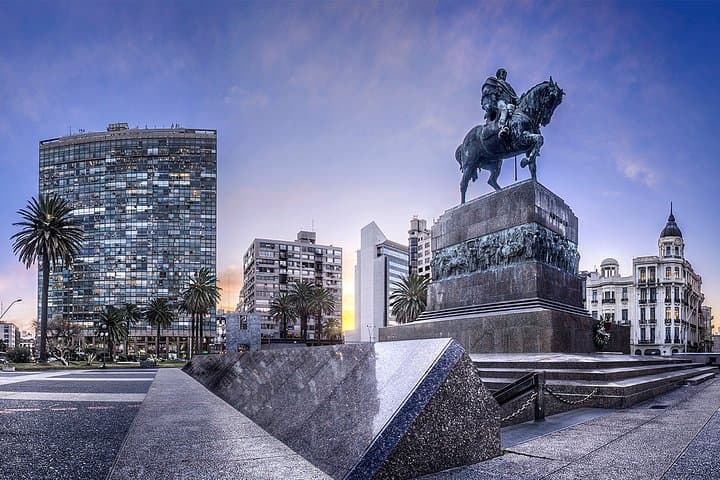
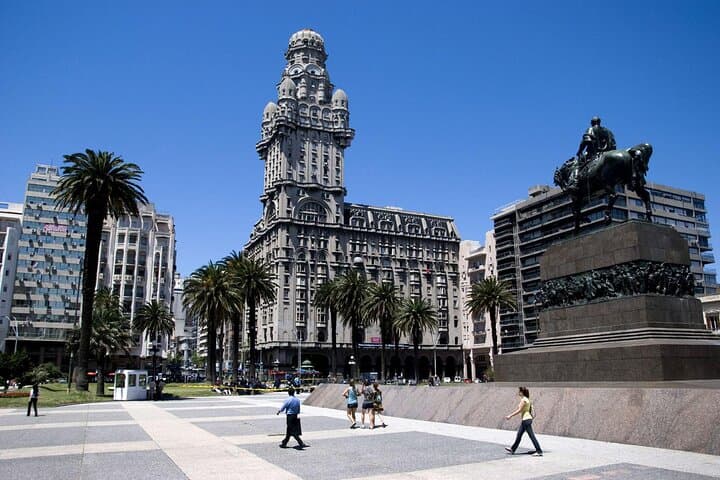
Montevideo blends 19th-century civic monuments and working-class barrios. Plaza Independencia marks the old city’s threshold, skirted by Palacio Salvo and the Artigas mausoleum; up on Cerro you can read the city’s maritime past in stone fortifications and sweeping harbor views. Geologically the region is a broad coastal plain with sandy spits and estuarine mudflats that shape the Rambla and shelter migrating shorebirds.
Culturally, Montevideo is measured: tango and candombe drums surface in Barrio Sur, while markets like the Mercado Agrícola hum with local produce and parrilla smoke. The trip’s included city tour and free day let you move between curated sites and quieter corners — parks, beach promenades and the odd boutique winery in nearby Canelones.
Practical side: ferries run two to three hours; bring a valid passport and carry cash for small vendors. Pack comfortable walking shoes for cobbled streets, a light rain layer for coastal breezes, and plan afternoons for slow exploration when museums and markets are liveliest. If you want wineries, reserve ahead; if you prefer strolling the Rambla, mornings and late afternoons offer the best light and cooler temperatures.
easy.
3 days.
Suitable for most fitness levels; expect several hours of walking on day one and optional light excursions on day two.
Yes — travel between Argentina and Uruguay requires a valid passport; check visa requirements for your nationality before booking.
Typical crossings take about 2¼ to 2½ hours; schedules vary by departure, so confirm times when you book.
Breakfast is included on two mornings as part of the package; check the itinerary details for hotel meal policies on arrival and departure days.
Yes — the itinerary includes ferry tickets, transfers between port and hotel, and the guided city sightseeing tour described in the program.
Founded in the early 18th century, Montevideo grew as a strategic port between Spanish and Portuguese interests; the Ciudad Vieja preserves much of the colonial and early republican architecture.
The Rambla faces coastal erosion and urban runoff challenges; favor locally run businesses, avoid disturbing shorebird habitats and follow waste disposal guidance in parks and beaches.
Tangol operates guided outdoor trips and adventures with an emphasis on safety, stewardship, and memorable experiences.
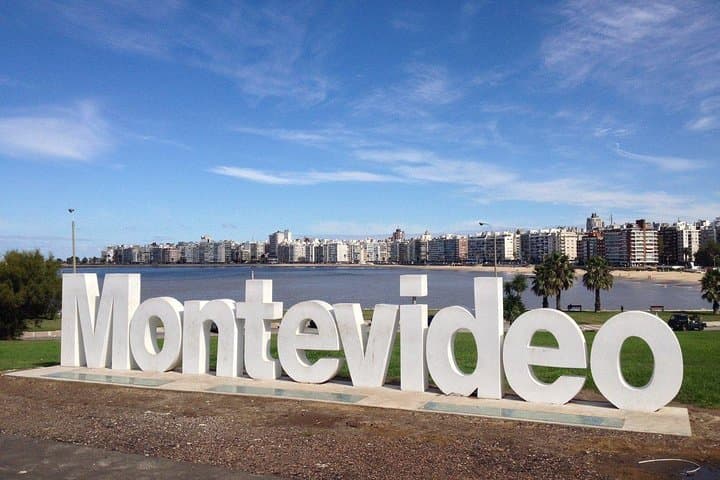
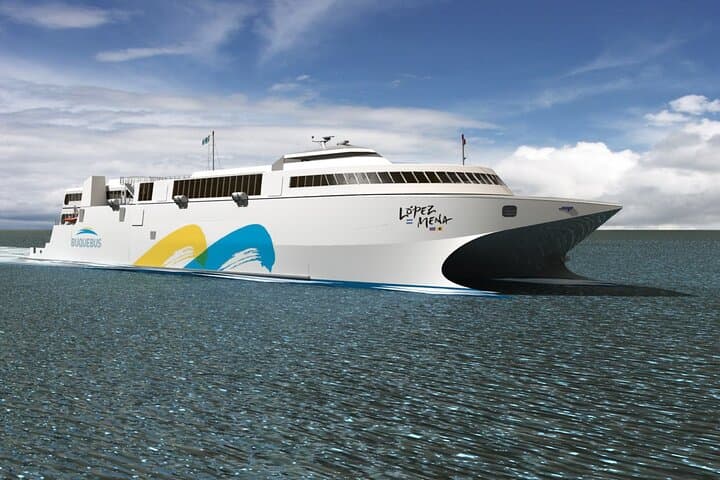
The ferry slides out of Buenos Aires at dawn, the Río de la Plata widening into a low, silvery plain that seems to push you toward Uruguay. By mid-morning, Montevideo’s low skyline and long Rambla come into view — a coastline that invites slow walks, seaside cafés and the city’s easy rhythm.
The ferry slides out of Buenos Aires at dawn, the Río de la Plata widening into a low, silvery plain that seems to push you toward Uruguay. By mid-morning, Montevideo’s low skyline and long Rambla come into view — a coastline that invites slow walks, seaside cafés and the city’s easy rhythm.
Montevideo blends 19th-century civic monuments and working-class barrios. Plaza Independencia marks the old city’s threshold, skirted by Palacio Salvo and the Artigas mausoleum; up on Cerro you can read the city’s maritime past in stone fortifications and sweeping harbor views. Geologically the region is a broad coastal plain with sandy spits and estuarine mudflats that shape the Rambla and shelter migrating shorebirds.
Culturally, Montevideo is measured: tango and candombe drums surface in Barrio Sur, while markets like the Mercado Agrícola hum with local produce and parrilla smoke. The trip’s included city tour and free day let you move between curated sites and quieter corners — parks, beach promenades and the odd boutique winery in nearby Canelones.
Practical side: ferries run two to three hours; bring a valid passport and carry cash for small vendors. Pack comfortable walking shoes for cobbled streets, a light rain layer for coastal breezes, and plan afternoons for slow exploration when museums and markets are liveliest. If you want wineries, reserve ahead; if you prefer strolling the Rambla, mornings and late afternoons offer the best light and cooler temperatures.