THE ADVENTURE COLLECTIVE® · Independent discovery and booking for outdoor travel

Ride from the colorful streets of Higuera Blanca through tropical dry forest and onto the wind-swept sands of Litibú. This two-hour guided tour pairs easy-to-manage horses with coastal scenery and local insights for riders of most skill levels.
Ride from the colorful streets of Higuera Blanca through tropical dry forest and onto the wind-swept sands of Litibú. This two-hour guided tour pairs easy-to-manage horses with coastal scenery and local insights for riders of most skill levels.
You climb into the saddle as Higuera Blanca’s painted houses slip past, the town shrinking behind you while the jungle leans in with humid breath.
Verified experiences and guided adventures in the surrounding area.
Operated by Koyote Tours · Punta Mita, Nayarit
You climb into the saddle as Higuera Blanca’s painted houses slip past, the town shrinking behind you while the jungle leans in with humid breath.
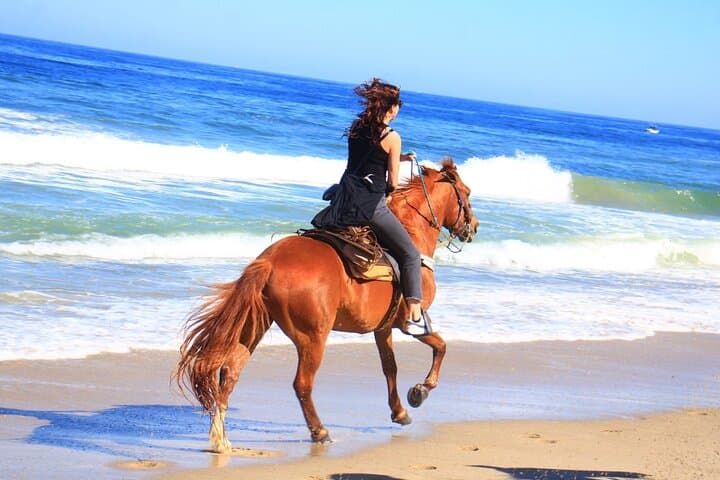
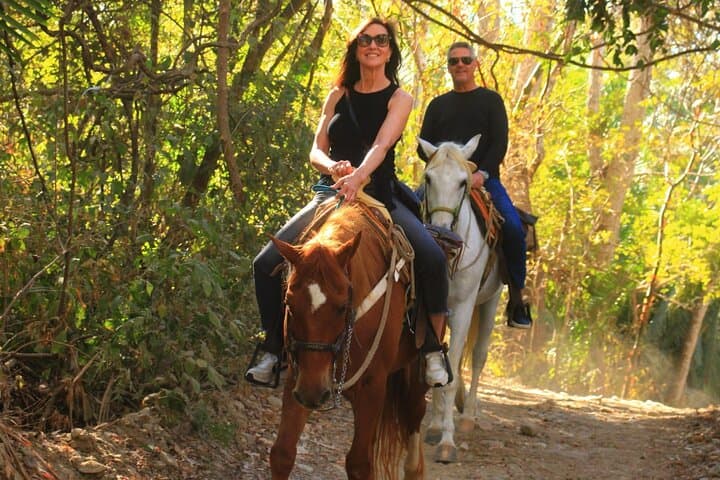
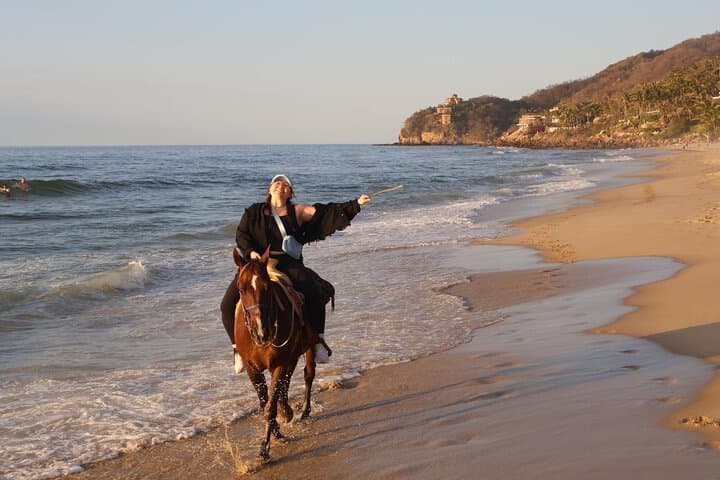
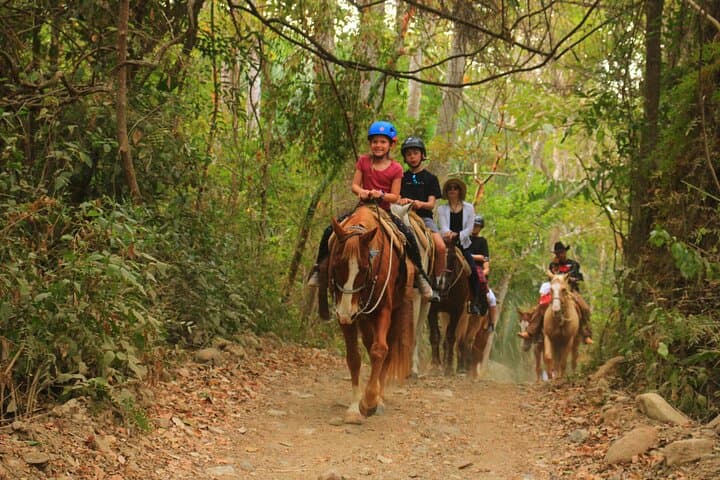
The ride picks up pace through narrow, root-crossed trails where the canopy throws patchwork shade and the horses move with sure, patient rhythm. Before long the trees open and the Pacific appears: a broad, wind-bright horizon. The final stretch runs along Litibú’s golden shore, where hooves send salt-spray into the air and the surf seems to insist you keep time with it.
This coastline is volcanic in origin — headlands and inlets shaped by lava flows and tectonic shifts — and the local fishing villages have long depended on both sea and soil. Guides often point out agave fences, seasonal fruit trees, and the milpa plots that still mark the region’s ranching and agricultural past.
Expect bilingual local guides who manage well-trained horses suited to varied riders; the route moves from cobbled town lanes to singletrack jungle trails and hard-packed beach. Vegetation shifts quickly: coastal scrub, tropical dry forest, and dune plants each offer different footing and microclimate.
Practical notes: rides typically last two hours and include transport, bottled water, and helmets. Bring closed-toe shoes, sun protection, and a light layer for ocean breezes. Avoid the hottest midday hours; early morning or late afternoon offers cooler temperatures, lower tide lines for longer beach stretches, and better light for photos. Riders with back or heart conditions should consult a physician; weight limits and safety briefings are standard. This is an approachable, scenic introduction to riding Mexico’s Pacific coast.
moderate.
2 hours.
Moderate fitness—able to mount, sit confidently for two hours, and handle short trots
Yes—guides accommodate all skill levels and horses are trained for novice riders; a short orientation and safety briefing are provided.
Yes—round-trip transport from designated pickup points in Punta Mita/Higuera Blanca is typically included in the booking.
Most operators supply helmets and require their use; confirm availability for your size when booking.
Limits vary by operator; bookings usually request rider weight and age to match participants with appropriate horses—disclose any medical issues during booking.
The Punta Mita area grew from fishing and ranching communities; colonial-era trade routes and 20th-century tourism reshaped local economies while traditional fishing persists.
Stay on designated trails and avoid disturbing nesting birds on beaches; operators often follow local conservation rules to protect dunes and marine zones.
Koyote Tours operates guided outdoor trips and adventures with an emphasis on safety, stewardship, and memorable experiences.
You climb into the saddle as Higuera Blanca’s painted houses slip past, the town shrinking behind you while the jungle leans in with humid breath.
You climb into the saddle as Higuera Blanca’s painted houses slip past, the town shrinking behind you while the jungle leans in with humid breath.
The ride picks up pace through narrow, root-crossed trails where the canopy throws patchwork shade and the horses move with sure, patient rhythm. Before long the trees open and the Pacific appears: a broad, wind-bright horizon. The final stretch runs along Litibú’s golden shore, where hooves send salt-spray into the air and the surf seems to insist you keep time with it.
This coastline is volcanic in origin — headlands and inlets shaped by lava flows and tectonic shifts — and the local fishing villages have long depended on both sea and soil. Guides often point out agave fences, seasonal fruit trees, and the milpa plots that still mark the region’s ranching and agricultural past.
Expect bilingual local guides who manage well-trained horses suited to varied riders; the route moves from cobbled town lanes to singletrack jungle trails and hard-packed beach. Vegetation shifts quickly: coastal scrub, tropical dry forest, and dune plants each offer different footing and microclimate.
Practical notes: rides typically last two hours and include transport, bottled water, and helmets. Bring closed-toe shoes, sun protection, and a light layer for ocean breezes. Avoid the hottest midday hours; early morning or late afternoon offers cooler temperatures, lower tide lines for longer beach stretches, and better light for photos. Riders with back or heart conditions should consult a physician; weight limits and safety briefings are standard. This is an approachable, scenic introduction to riding Mexico’s Pacific coast.