THE ADVENTURE COLLECTIVE® · Independent discovery and booking for outdoor travel

Drive north from Beirut for a private, full-day cultural tour that pairs Tripoli’s fortified history and bustling souks with Batroun’s coastal ruins and seaside atmosphere. This guided route blends archaeology, local food, and short coastal walks into an accessible eight-hour excursion.
Drive north from Beirut for a private, full-day cultural tour that pairs Tripoli’s fortified history and bustling souks with Batroun’s coastal ruins and seaside atmosphere. This guided route blends archaeology, local food, and short coastal walks into an accessible eight-hour excursion.
Early light on the Mediterranean cuts across the windshield as a private vehicle peels away from Beirut and follows the coast north—olive groves and citrus terraces slide past while the sea dares you to look up from the road.
Verified experiences and guided adventures in the surrounding area.
Operated by Lebanon Tours · Tripoli, North Governorate
Early light on the Mediterranean cuts across the windshield as a private vehicle peels away from Beirut and follows the coast north—olive groves and citrus terraces slide past while the sea dares you to look up from the road.
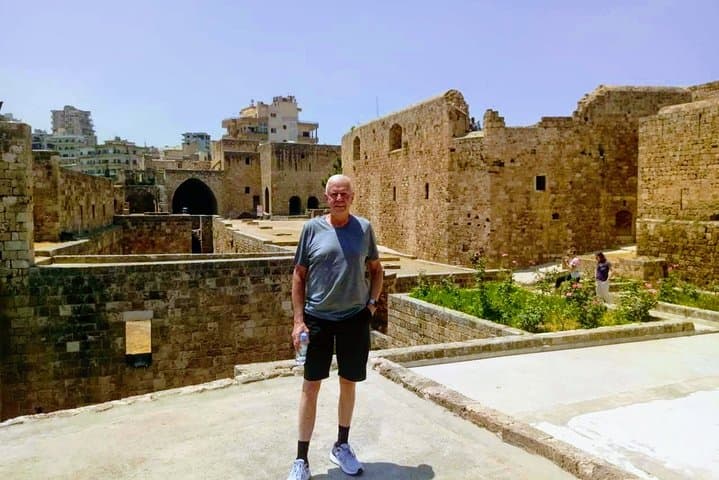
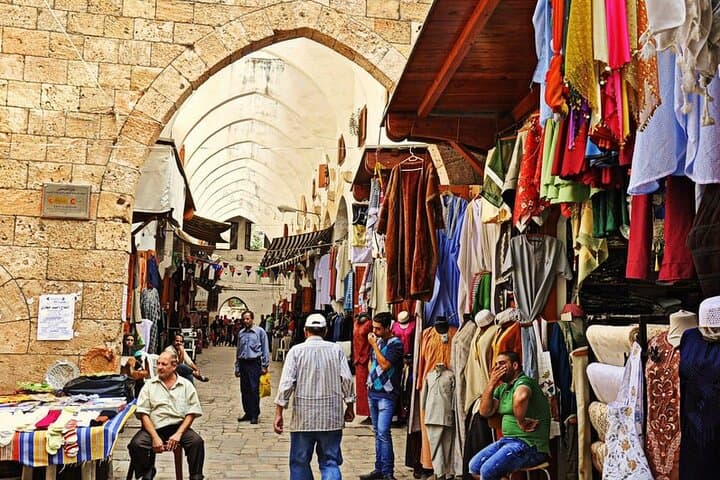
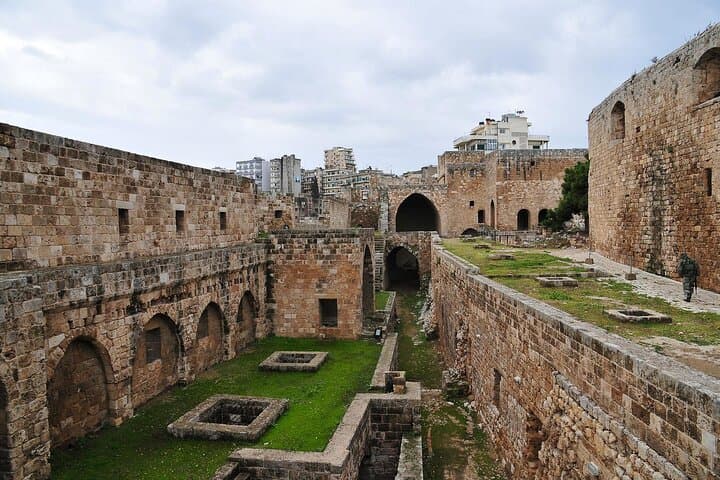
Arriving in Tripoli, the city unfolds in layered chapters: narrow souk alleys that still hum with trade, the stone bulk of Qal’at Sinjil overlooking the harbor, and mosques whose arches keep the echo of Crusader—and earlier—stones. Walk the covered khans and hammams and the Great Mosque where Mamluk renovations lean against earlier Crusader masonry; every doorway is a reminder that this port city has been a crossroads since the Phoenicians founded it.
A short coastal drive brings Batroun, a low-lying city of chalky cliffs, Phoenician sea walls and a shoreline that alternates exposed rock and sheltered beaches. Geologically the coast here is limestone and marine terrace—easy to read in the bedrock steps and the ancient reinforced sea wall in front of the old town.
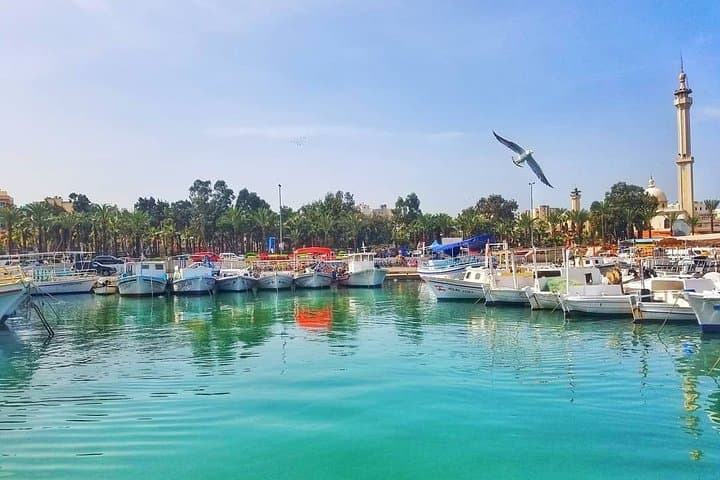
Culturally, the day balances food markets and living craft: try local lemonades and sweets in Tripoli, then pause at Batroun’s harbor for a sea-breeze coffee. Archaeological fragments sit close to contemporary life; fishermen, merchants and café owners keep the stories moving.
Practical notes: expect short walks on uneven stone, steep steps in souks, and open sun on the coast. Bring comfortable shoes, cash for small vendors, sun protection and a reusable bottle. Morning light is best in Tripoli; plan mosque visits with modest clothing and allow time for traffic on the return to Beirut.
easy.
8 hours.
Suitable for most fitness levels; involves several short to moderate walks on uneven surfaces and stairs.
The tour runs about eight hours round trip from Beirut with private transportation, a guide, hotel pick-up/drop-off and stops in Tripoli and Batroun as described; admissions are not generally included unless specified.
Yes; the operator provides infant seats and the itinerary is described as easy with short walks, but plan breaks and check with the guide for stroller access in narrow alleys.
Yes; the itinerary includes time in the souks where you can sample sweets and local specialties and in Batroun for a seaside snack—carry cash for small vendors and mention dietary needs when booking.
Non-Muslim visitors may enter some mosque courtyards and public areas but should follow modest dress and the guide will advise on access and appropriate behavior.
Tripoli and Batroun both date to the Phoenician era and show continuous layers of occupation—Crusader, Mamluk and Ottoman modifications are visible in fortresses, mosques and public baths.
Several small islands off Al-Mina are protected as marine breeding grounds; visitors are asked not to disturb habitats, and supporting local businesses helps sustain conservation efforts.
Lebanon Tours operates guided outdoor trips and adventures with an emphasis on safety, stewardship, and memorable experiences.
Early light on the Mediterranean cuts across the windshield as a private vehicle peels away from Beirut and follows the coast north—olive groves and citrus terraces slide past while the sea dares you to look up from the road.
Early light on the Mediterranean cuts across the windshield as a private vehicle peels away from Beirut and follows the coast north—olive groves and citrus terraces slide past while the sea dares you to look up from the road.
Arriving in Tripoli, the city unfolds in layered chapters: narrow souk alleys that still hum with trade, the stone bulk of Qal’at Sinjil overlooking the harbor, and mosques whose arches keep the echo of Crusader—and earlier—stones. Walk the covered khans and hammams and the Great Mosque where Mamluk renovations lean against earlier Crusader masonry; every doorway is a reminder that this port city has been a crossroads since the Phoenicians founded it.
A short coastal drive brings Batroun, a low-lying city of chalky cliffs, Phoenician sea walls and a shoreline that alternates exposed rock and sheltered beaches. Geologically the coast here is limestone and marine terrace—easy to read in the bedrock steps and the ancient reinforced sea wall in front of the old town.
Culturally, the day balances food markets and living craft: try local lemonades and sweets in Tripoli, then pause at Batroun’s harbor for a sea-breeze coffee. Archaeological fragments sit close to contemporary life; fishermen, merchants and café owners keep the stories moving.
Practical notes: expect short walks on uneven stone, steep steps in souks, and open sun on the coast. Bring comfortable shoes, cash for small vendors, sun protection and a reusable bottle. Morning light is best in Tripoli; plan mosque visits with modest clothing and allow time for traffic on the return to Beirut.