THE ADVENTURE COLLECTIVE® · Independent discovery and booking for outdoor travel

Drive Sri Lanka’s southwest coast in a day: mangrove boat rides, a turtle hatchery visit, moonstone mining and the UNESCO‑listed Galle Fort. This private car tour packs history, wildlife and shoreline geology into one full coastal loop.
Drive Sri Lanka’s southwest coast in a day: mangrove boat rides, a turtle hatchery visit, moonstone mining and the UNESCO‑listed Galle Fort. This private car tour packs history, wildlife and shoreline geology into one full coastal loop.
You step out of the air‑conditioned car into a salt-bright breeze and the low thud of waves—Galle announces itself with gulls and the clipped creak of wooden boats. A day that begins with city traffic dissolves into mangrove canals, a turtle hatchery’s soft Sand and the weathered stone of a 17th‑century fortress.
Verified experiences and guided adventures in the surrounding area.
Operated by Beauty Lanka Travels · Galle, Southern Province
You step out of the air‑conditioned car into a salt-bright breeze and the low thud of waves—Galle announces itself with gulls and the clipped creak of wooden boats. A day that begins with city traffic dissolves into mangrove canals, a turtle hatchery’s soft Sand and the weathered stone of a 17th‑century fortress.
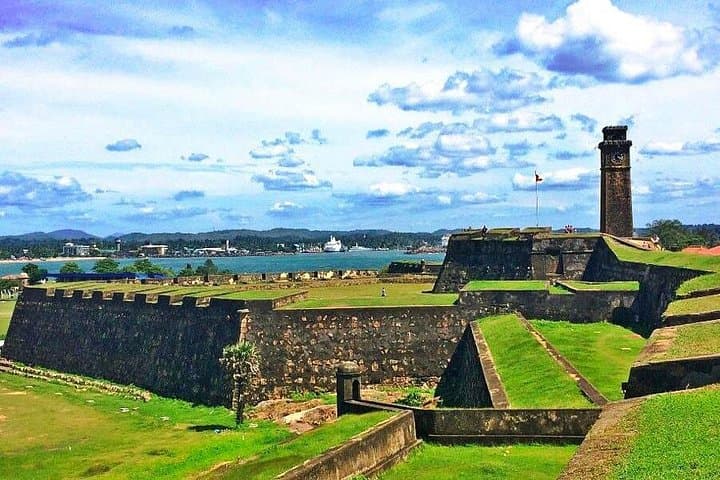
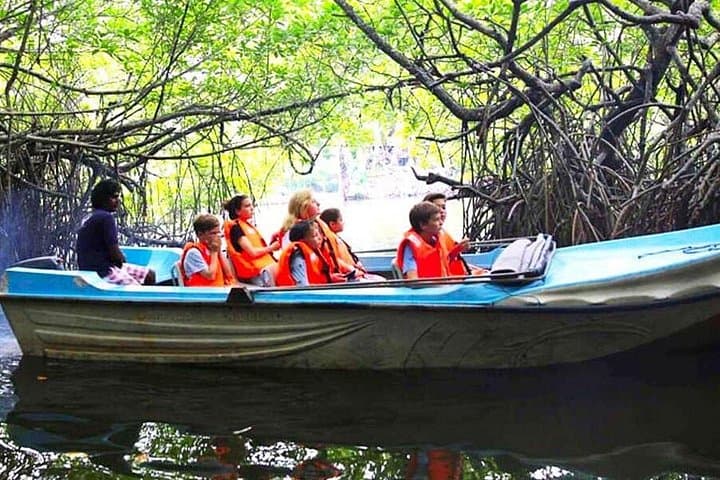
The itinerary threads regional history and geology: the Dutch‑era ramparts of Galle Fort (first fortified from 1649) rise from coral limestone and layered colonial trade, while the nearby Meetiyagoda moonstone workings expose the island’s gem‑bearing alluvium. The Madu Ganga estuary—protected under the Ramsar Convention—reveals a working mangrove ecosystem, where tidal channels shape the shoreline and birds read the current like a map.
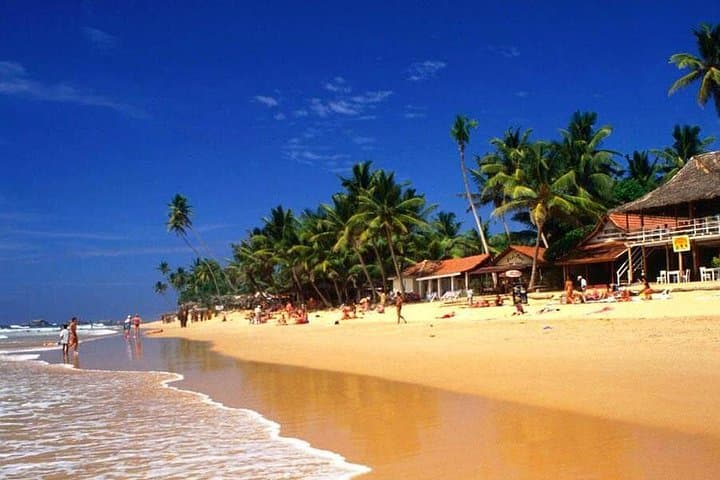
Cultural touches are practical: a local chauffeur who doubles as a guide, a visit to a turtle hatchery where conservation and community connect, and a moonstone workshop that shows skill born of generations. Expect light walking, short boat trips in the estuary, and time on Hikkaduwa’s coral fringe before arriving at Galle’s ramparts at the golden hour.
Practical guidance: start early to avoid Colombo traffic, carry reef‑safe sunscreen and a small bill for craft shops, and allow 8–9 hours for a relaxed pace. Footwear that tolerates sand and short wet boardwalks is useful; bring a rain layer during the southwest monsoon months. Respect local wildlife rules—especially around hatchlings—and leave time to walk the fort at dusk when the sea and stone come alive.
easy.
8–9 hours.
Suitable for most fitness levels; involves light walking, short boat rides and stair sections around the fort.
Pickup is available from Colombo or Negombo; exact pickup point and time are confirmed at booking and depend on your hotel location.
The tour includes private transfers and some admissions; confirm whether specific entrance fees (e.g., Galle Fort museums) or optional activities are covered when you book.
Licensed hatcheries sometimes allow releases of rehabilitated hatchlings—this is seasonal and subject to conservation rules, so check availability in advance.
Yes; the tour is listed as suitable for all fitness levels, and infant seats are available, but plan for sun protection and shorter attention spans during longer drives.
Galle Fort was first established by the Portuguese in the late 16th century and extensively fortified by the Dutch from 1649; it remains a UNESCO World Heritage site and a living colonial port town.
The Madu Ganga estuary is a Ramsar‑listed wetland and local turtle hatcheries work to protect nesting populations; visitors should avoid disturbing nests, dispose of plastic responsibly, and follow hatchery guidance.
Beauty Lanka Travels operates guided outdoor trips and adventures with an emphasis on safety, stewardship, and memorable experiences.

You step out of the air‑conditioned car into a salt-bright breeze and the low thud of waves—Galle announces itself with gulls and the clipped creak of wooden boats. A day that begins with city traffic dissolves into mangrove canals, a turtle hatchery’s soft Sand and the weathered stone of a 17th‑century fortress.
You step out of the air‑conditioned car into a salt-bright breeze and the low thud of waves—Galle announces itself with gulls and the clipped creak of wooden boats. A day that begins with city traffic dissolves into mangrove canals, a turtle hatchery’s soft Sand and the weathered stone of a 17th‑century fortress.
The itinerary threads regional history and geology: the Dutch‑era ramparts of Galle Fort (first fortified from 1649) rise from coral limestone and layered colonial trade, while the nearby Meetiyagoda moonstone workings expose the island’s gem‑bearing alluvium. The Madu Ganga estuary—protected under the Ramsar Convention—reveals a working mangrove ecosystem, where tidal channels shape the shoreline and birds read the current like a map.
Cultural touches are practical: a local chauffeur who doubles as a guide, a visit to a turtle hatchery where conservation and community connect, and a moonstone workshop that shows skill born of generations. Expect light walking, short boat trips in the estuary, and time on Hikkaduwa’s coral fringe before arriving at Galle’s ramparts at the golden hour.
Practical guidance: start early to avoid Colombo traffic, carry reef‑safe sunscreen and a small bill for craft shops, and allow 8–9 hours for a relaxed pace. Footwear that tolerates sand and short wet boardwalks is useful; bring a rain layer during the southwest monsoon months. Respect local wildlife rules—especially around hatchlings—and leave time to walk the fort at dusk when the sea and stone come alive.