THE ADVENTURE COLLECTIVE® · Independent discovery and booking for outdoor travel

Walk the Cork coast with a marine biologist guide to identify seaweeds, shellfish and coastal plants while hearing Celtic sea lore. A hands-on, 1.5–2 hour tour that blends natural history with practical foraging advice.
Walk the Cork coast with a marine biologist guide to identify seaweeds, shellfish and coastal plants while hearing Celtic sea lore. A hands-on, 1.5–2 hour tour that blends natural history with practical foraging advice.
The tide peels back rocky shelves and the wind pushes salt-smoothed pebbles along the shore as your guide steps forward, fingers tracing the edges of glossy kelp. On this coastal foraging and folklore walk near Cork you move at the tide’s tempo—stooping to inspect wrack lines, sniffing the briny perfume of bladderwrack, listening as old sea-stories are unfolded against a backdrop of gull calls.
Verified experiences and guided adventures in the surrounding area.
Operated by Kinsale Food Tours · Cork, County Cork
The tide peels back rocky shelves and the wind pushes salt-smoothed pebbles along the shore as your guide steps forward, fingers tracing the edges of glossy kelp. On this coastal foraging and folklore walk near Cork you move at the tide’s tempo—stooping to inspect wrack lines, sniffing the briny perfume of bladderwrack, listening as old sea-stories are unfolded against a backdrop of gull calls.
Geology here is blunt and readable: bedrock and glacial deposits shaped the coves where edible seaweeds cling and shellfish hide. The cultural layer is equally rich — coastal folklore and Celtic myths grew from fishing, sea-weather and the medicinal uses of plants. Your guide, a marine biologist, connects species identification to traditional uses and modern safety: what’s edible, what’s protected, and how coastal communities historically relied on these resources.
Expect a gently paced walk of roughly 1.5–2 hours on uneven rocky shore and firm sand. You’ll learn to identify seaweeds, common shellfish, and coastal plants; hear regional legends; and discuss sustainable foraging and tide awareness. The guide will stress biosecurity and legal limits — picking for personal consumption, not commercial harvest.
Practical tips: check tide times and local weather, wear sturdy waterproof footwear with good grip, bring a small bag and gloves for handling samples, and keep a respectful distance from bird colonies or spawning areas. This experience pairs well with a day in Cork town, where you can sample local seafood and trace the coastal stories you just heard.
easy.
1.5–2 hours.
Light walking on uneven, rocky shore; suitable for most fitness levels
Yes—this is an easy, educational walk suitable for older children; guardians should supervise near slippery rocks and water.
Guides will explain which species are safe and legal to harvest for personal use, but avoid eating anything unless the guide confirms it and you follow local rules.
Wear waterproof, grippy shoes, layered clothing, and bring a waterproof jacket, gloves, and a small bag for samples; sunscreen and water are recommended.
Yes—some species and zones are legally protected or seasonal; the guide will explain local limits and sustainable practices during the tour.
Coastal communities in County Cork have long used seaweeds and shellfish for food, fertilizer and folk medicine; many local myths grew from seafaring and weather lore.
Foraging here is best practiced with take-only-what-you-need ethics; avoid overharvesting and respect seasonal closures to protect bird nesting and shellfish stocks.
Kinsale Food Tours operates guided outdoor trips and adventures with an emphasis on safety, stewardship, and memorable experiences.
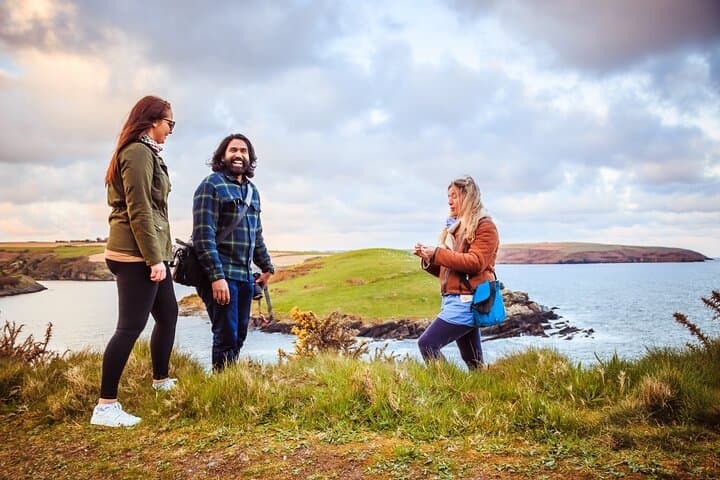
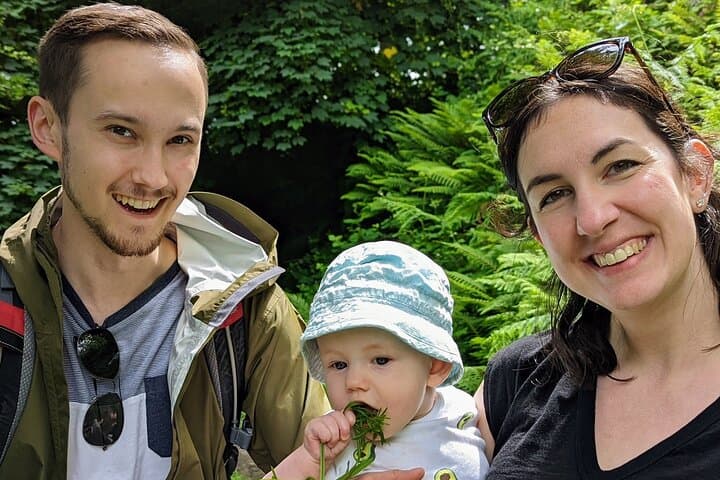
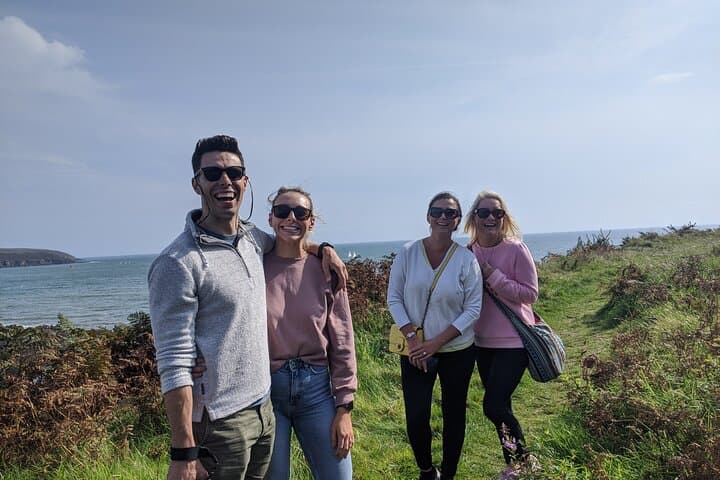
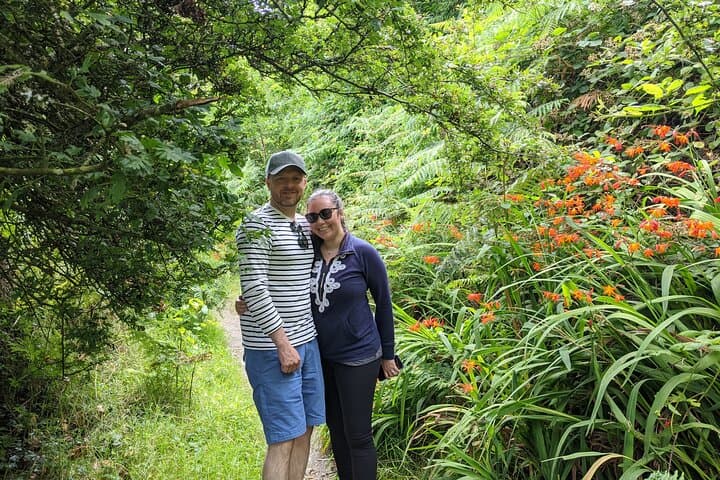
The tide peels back rocky shelves and the wind pushes salt-smoothed pebbles along the shore as your guide steps forward, fingers tracing the edges of glossy kelp. On this coastal foraging and folklore walk near Cork you move at the tide’s tempo—stooping to inspect wrack lines, sniffing the briny perfume of bladderwrack, listening as old sea-stories are unfolded against a backdrop of gull calls.
The tide peels back rocky shelves and the wind pushes salt-smoothed pebbles along the shore as your guide steps forward, fingers tracing the edges of glossy kelp. On this coastal foraging and folklore walk near Cork you move at the tide’s tempo—stooping to inspect wrack lines, sniffing the briny perfume of bladderwrack, listening as old sea-stories are unfolded against a backdrop of gull calls.
Geology here is blunt and readable: bedrock and glacial deposits shaped the coves where edible seaweeds cling and shellfish hide. The cultural layer is equally rich — coastal folklore and Celtic myths grew from fishing, sea-weather and the medicinal uses of plants. Your guide, a marine biologist, connects species identification to traditional uses and modern safety: what’s edible, what’s protected, and how coastal communities historically relied on these resources.
Expect a gently paced walk of roughly 1.5–2 hours on uneven rocky shore and firm sand. You’ll learn to identify seaweeds, common shellfish, and coastal plants; hear regional legends; and discuss sustainable foraging and tide awareness. The guide will stress biosecurity and legal limits — picking for personal consumption, not commercial harvest.
Practical tips: check tide times and local weather, wear sturdy waterproof footwear with good grip, bring a small bag and gloves for handling samples, and keep a respectful distance from bird colonies or spawning areas. This experience pairs well with a day in Cork town, where you can sample local seafood and trace the coastal stories you just heard.