THE ADVENTURE COLLECTIVE® · Independent discovery and booking for outdoor travel

Walk from Lucija across sunny olive groves to Lucan hill for sweeping views of Sečovlje salt-pans and Croatian Istria. The circular route pairs a gentle coastal hike with an Istrian meadow breakfast—ideal for morning light and food-curious walkers.
Walk from Lucija across sunny olive groves to Lucan hill for sweeping views of Sečovlje salt-pans and Croatian Istria. The circular route pairs a gentle coastal hike with an Istrian meadow breakfast—ideal for morning light and food-curious walkers.
A low sun warms the leaves as you step off the bus in Lucija and follow a narrow lane uphill. Olive trees lean into the breeze, their silver undersides flicking like a hand tracing the coastline. The path unfurls over Lucan hill, offering sectional views: the pale pans of Sečovlje below, the stub of Seča peninsula to the west, and, on clear days, the low hills of Croatian North Istria across the water.
Verified experiences and guided adventures in the surrounding area.
Operated by TOURISM SLOVENIA · Lucija, Coastal–Karst
A low sun warms the leaves as you step off the bus in Lucija and follow a narrow lane uphill. Olive trees lean into the breeze, their silver undersides flicking like a hand tracing the coastline. The path unfurls over Lucan hill, offering sectional views: the pale pans of Sečovlje below, the stub of Seča peninsula to the west, and, on clear days, the low hills of Croatian North Istria across the water.
This walk is as much cultural as scenic. The Sečovlje salt-pans nearby are medieval in origin and shaped the local economy; the limestone and karst bedrock here channels rain into pockets and dry channels that define the scrubby coastline. Small stone walls and terraced groves show generations of olive cultivation, while Istrian food—simple, oil-forward, herb-accented—remains the heartbeat of local hospitality.
Practicalities are straightforward. The circular route from Lucija to Lucan is roughly 6 km with about 100–150 m of cumulative elevation gain, mostly on packed dirt and occasional paved farm tracks. Expect a 2-hour walk at an easy pace; the full experience runs about 4 hours including an Istrian meadow breakfast and a short local-food quiz. Public transit reaches Lucija; the meeting point is the main bus station.
Bring steady footwear, sun protection, and a small daypack; organizers provide a 0.5 L water bottle and breakfast. Best light is morning or late afternoon when the sea throws long glints and the salt pans glow like trays of metal. The route is family-friendly but avoid it in stifling summer heat—early starts keep the walk pleasant and the views sharp.
easy.
4 hours.
Suitable for most fitness levels; expect steady walking on uneven terrain for up to 2 hours.
The group meets and finishes at the main bus station in Lucija—check the ticket for exact pickup time and allow time for local buses.
The circular walk is about 6 km and typically takes around 2 hours at an easy pace; the full activity lasts about 4 hours including breakfast.
Yes—participants receive an Istrian meadow breakfast and a complimentary 0.5 L bottle of water, plus a short quiz about Istrian cuisine.
The tour is described as physically easy, but there are uneven surfaces and short slopes; it's suitable for most children but not recommended for travelers with significant spinal or cardiovascular problems.
Sečovlje salt-pans have produced salt since at least the medieval period and shaped local settlement and trade patterns along the Slovenian coast.
The salt-pans are managed as a landscape-parks area with efforts to protect bird habitat; stay on marked tracks to reduce erosion and disturbance.
TOURISM SLOVENIA operates guided outdoor trips and adventures with an emphasis on safety, stewardship, and memorable experiences.
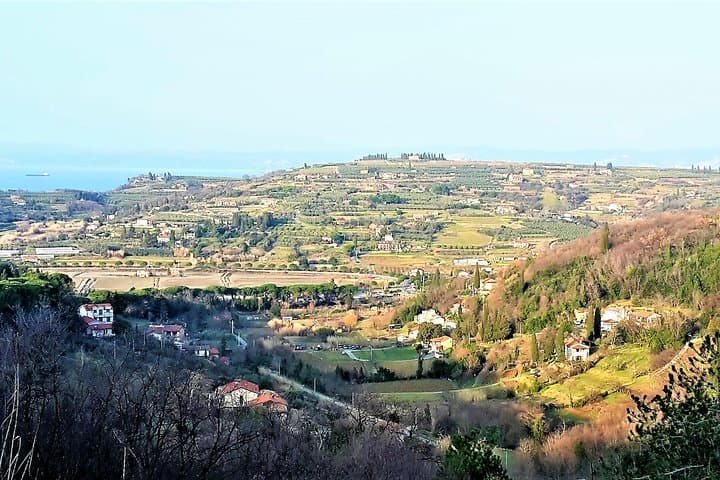
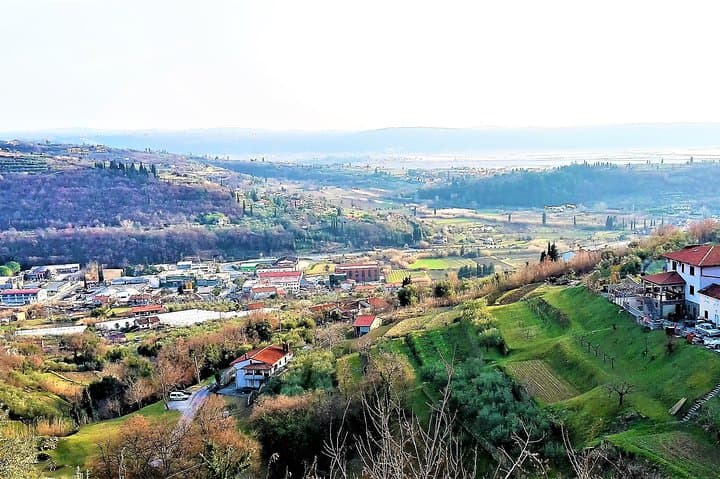
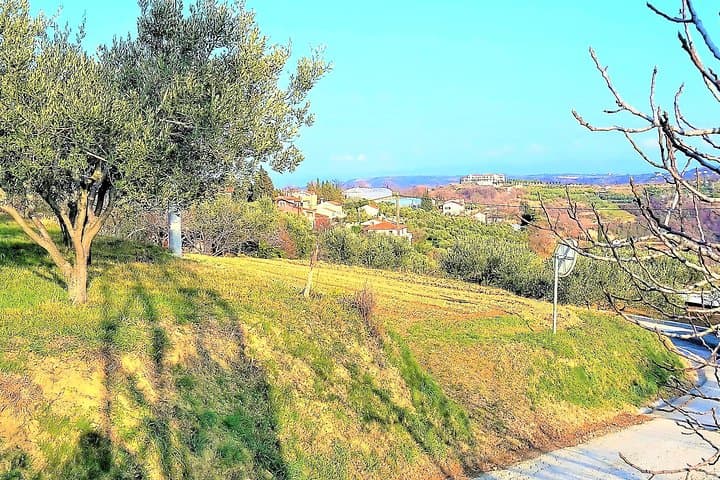
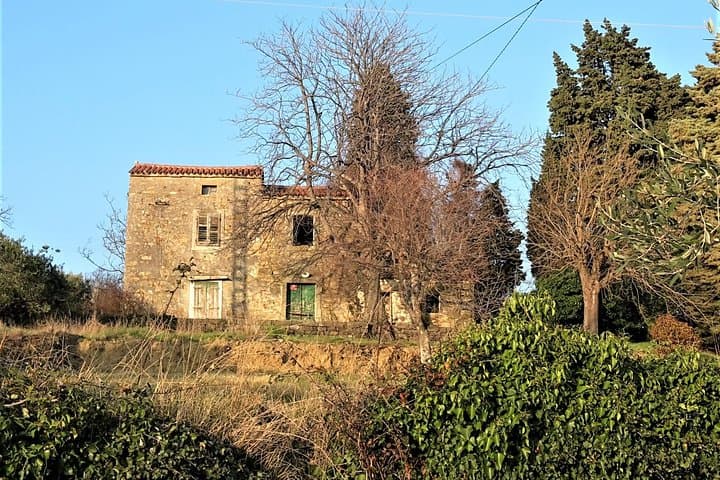
A low sun warms the leaves as you step off the bus in Lucija and follow a narrow lane uphill. Olive trees lean into the breeze, their silver undersides flicking like a hand tracing the coastline. The path unfurls over Lucan hill, offering sectional views: the pale pans of Sečovlje below, the stub of Seča peninsula to the west, and, on clear days, the low hills of Croatian North Istria across the water.
A low sun warms the leaves as you step off the bus in Lucija and follow a narrow lane uphill. Olive trees lean into the breeze, their silver undersides flicking like a hand tracing the coastline. The path unfurls over Lucan hill, offering sectional views: the pale pans of Sečovlje below, the stub of Seča peninsula to the west, and, on clear days, the low hills of Croatian North Istria across the water.
This walk is as much cultural as scenic. The Sečovlje salt-pans nearby are medieval in origin and shaped the local economy; the limestone and karst bedrock here channels rain into pockets and dry channels that define the scrubby coastline. Small stone walls and terraced groves show generations of olive cultivation, while Istrian food—simple, oil-forward, herb-accented—remains the heartbeat of local hospitality.
Practicalities are straightforward. The circular route from Lucija to Lucan is roughly 6 km with about 100–150 m of cumulative elevation gain, mostly on packed dirt and occasional paved farm tracks. Expect a 2-hour walk at an easy pace; the full experience runs about 4 hours including an Istrian meadow breakfast and a short local-food quiz. Public transit reaches Lucija; the meeting point is the main bus station.
Bring steady footwear, sun protection, and a small daypack; organizers provide a 0.5 L water bottle and breakfast. Best light is morning or late afternoon when the sea throws long glints and the salt pans glow like trays of metal. The route is family-friendly but avoid it in stifling summer heat—early starts keep the walk pleasant and the views sharp.