THE ADVENTURE COLLECTIVE® · Independent discovery and booking for outdoor travel

Swap resort buffets for the raw rhythm of the Atlantic. Cast lines from rock and sand with an Agadir guide who teaches local shore-fishing techniques, supplies gear and shares coastal stories over tea.
Swap resort buffets for the raw rhythm of the Atlantic. Cast lines from rock and sand with an Agadir guide who teaches local shore-fishing techniques, supplies gear and shares coastal stories over tea.
The morning light in Agadir hits the water with a flat, honest glare — enough to read the surface, not to hide it. You meet your guide outside your hotel, a thermos of mint tea already steaming in the passenger seat. The drive to the coast is short but decisive: palm trees give way to low scrub, then the shore unrolls, rocks and sand carved by wind and waves. The guide points to the line where land drops into swell and, with calm authority, hands you the rod.
Verified experiences and guided adventures in the surrounding area.
Operated by Lowtours · Agadir, Souss-Massa
The morning light in Agadir hits the water with a flat, honest glare — enough to read the surface, not to hide it. You meet your guide outside your hotel, a thermos of mint tea already steaming in the passenger seat. The drive to the coast is short but decisive: palm trees give way to low scrub, then the shore unrolls, rocks and sand carved by wind and waves. The guide points to the line where land drops into swell and, with calm authority, hands you the rod.
This is not sportfishing theater; it’s a local practice rooted in Amazigh coastal life. For generations, families along Morocco’s Atlantic flank have read tide, wind and fish like a weathered map. The coast around Agadir was shaped by tectonic uplift and Atlantic swell — basalt headlands and rocky coves where currents concentrate baitfish and seabirds cue you toward dinner. Portuguese, Arab and Berber influences have braided coastal culture here, and modern Agadir — rebuilt after the 1960 quake — still relies on small-scale fishing for identity and tables.
On the shoreline, your guide teaches basics: baiting hooks, judging casting angles against cross-wind, and reading the subtle quiver that means a bite. The technique is simple, pragmatic and forgiving; this tour suits complete beginners. Snacks and tea arrive between casts, a local rhythm that softens waiting into conversation. You’ll likely fish from rock or low shore rather than a boat, which makes the experience sensory: salt stings your lips, gulls wheel and the sea seems to dare you to be patient.
Practicalities are straightforward. The tour includes pickup from Agadir or Taghazout at 9:00 a.m., transport, gear and a guide; the full activity runs roughly 6–7 hours. Wear grippy shoes for wet rocks, bring sun protection and a small daypack for layers and water. Local regulations vary — your guide will steer you on size limits and what species to keep; when in doubt, catch-and-release respects local stocks.
Because the trip leans local rather than commercial, pay attention to cultural cues: keep language simple, accept tea, and tip if the guide’s help felt personal. If you want photographs, dawn and late-afternoon light are most flattering, and the guide knows viewpoints where surf frames the headlands. Above all, this trip rewards a particular mindset: slow observation, easy instruction and a hands-on slice of coastal Moroccan life that’s as practical as it is memorable.
easy.
6–7 hours.
Suitable for people in light to moderate physical condition; you should be able to stand and walk on uneven shore for up to several hours.
No — the guide provides all gear and instruction, making the trip suitable for beginners and families.
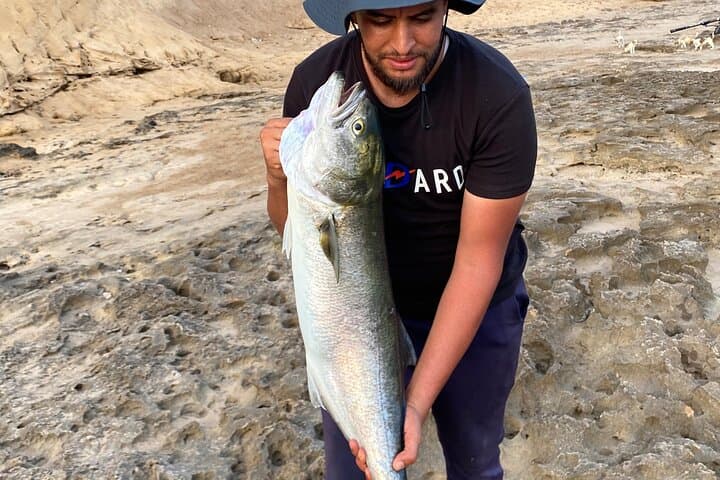
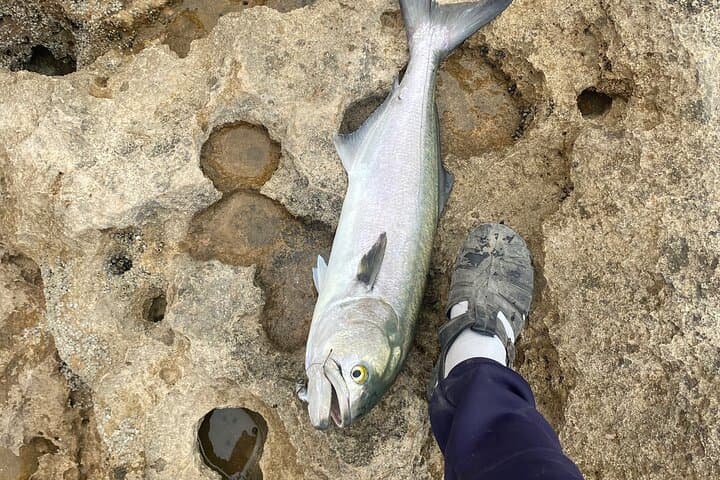
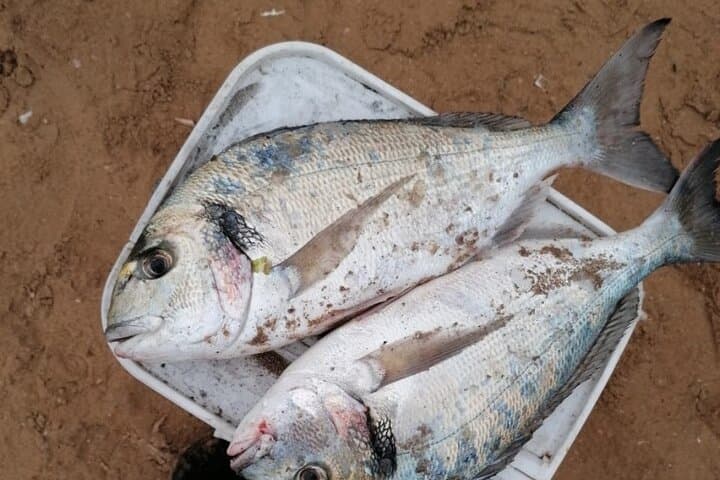
Common catches include small sea bass, mackerel and various shore species; exact species depend on season and location.
Yes — pickup from hotels in Agadir and Taghazout is provided; confirm your pickup point when booking.
Facilities depend on the exact shore location; plan for limited options and use hotel facilities before departure.
This depends on local regulations and species size; your guide will advise and promote catch-and-release when appropriate.
Tipping is appreciated for personalized local service — a modest tip for the guide is customary if you enjoyed the experience.
Agadir’s coastal communities have long combined Amazigh fishing practices with influences from Portuguese and Arab maritime trade; the modern city rebuilt after the 1960 earthquake retains a working fishing harbor.
Coastal fish stocks face pressure from overfishing and pollution; follow guide advice on size limits, avoid single-use plastics and favor catch-and-release when uncertain.
Lowtours operates guided outdoor trips and adventures with an emphasis on safety, stewardship, and memorable experiences.
The morning light in Agadir hits the water with a flat, honest glare — enough to read the surface, not to hide it. You meet your guide outside your hotel, a thermos of mint tea already steaming in the passenger seat. The drive to the coast is short but decisive: palm trees give way to low scrub, then the shore unrolls, rocks and sand carved by wind and waves. The guide points to the line where land drops into swell and, with calm authority, hands you the rod.
The morning light in Agadir hits the water with a flat, honest glare — enough to read the surface, not to hide it. You meet your guide outside your hotel, a thermos of mint tea already steaming in the passenger seat. The drive to the coast is short but decisive: palm trees give way to low scrub, then the shore unrolls, rocks and sand carved by wind and waves. The guide points to the line where land drops into swell and, with calm authority, hands you the rod.
This is not sportfishing theater; it’s a local practice rooted in Amazigh coastal life. For generations, families along Morocco’s Atlantic flank have read tide, wind and fish like a weathered map. The coast around Agadir was shaped by tectonic uplift and Atlantic swell — basalt headlands and rocky coves where currents concentrate baitfish and seabirds cue you toward dinner. Portuguese, Arab and Berber influences have braided coastal culture here, and modern Agadir — rebuilt after the 1960 quake — still relies on small-scale fishing for identity and tables.
On the shoreline, your guide teaches basics: baiting hooks, judging casting angles against cross-wind, and reading the subtle quiver that means a bite. The technique is simple, pragmatic and forgiving; this tour suits complete beginners. Snacks and tea arrive between casts, a local rhythm that softens waiting into conversation. You’ll likely fish from rock or low shore rather than a boat, which makes the experience sensory: salt stings your lips, gulls wheel and the sea seems to dare you to be patient.
Practicalities are straightforward. The tour includes pickup from Agadir or Taghazout at 9:00 a.m., transport, gear and a guide; the full activity runs roughly 6–7 hours. Wear grippy shoes for wet rocks, bring sun protection and a small daypack for layers and water. Local regulations vary — your guide will steer you on size limits and what species to keep; when in doubt, catch-and-release respects local stocks.
Because the trip leans local rather than commercial, pay attention to cultural cues: keep language simple, accept tea, and tip if the guide’s help felt personal. If you want photographs, dawn and late-afternoon light are most flattering, and the guide knows viewpoints where surf frames the headlands. Above all, this trip rewards a particular mindset: slow observation, easy instruction and a hands-on slice of coastal Moroccan life that’s as practical as it is memorable.