THE ADVENTURE COLLECTIVE® · Independent discovery and booking for outdoor travel

Trade Marrakech’s heat for Atlantic wind on a full-day trip to Essaouira. Expect a 2.5-hour drive, a stroll along historic ramparts, visits to argan cooperatives, and free time in a compact seaside medina.
Trade Marrakech’s heat for Atlantic wind on a full-day trip to Essaouira. Expect a 2.5-hour drive, a stroll along historic ramparts, visits to argan cooperatives, and free time in a compact seaside medina.
A salt-skinned breeze meets the minibus as it rolls west from Marrakech, and the road stretches like a promise toward the Atlantic. Arriving in Essaouira feels immediate: wind-driven waves set the rhythm, gulls inspect the harbor, and the town’s white-and-blue houses sit low against the plain. Walks along the Skala’s ramparts place you beside rows of 18th-century cannons staring into the sea; the ocean seems to dare you to look beyond the horizon.
Verified experiences and guided adventures in the surrounding area.
Operated by Pro Voyage Morocco · Essaouira, Marrakech-Safi
A salt-skinned breeze meets the minibus as it rolls west from Marrakech, and the road stretches like a promise toward the Atlantic. Arriving in Essaouira feels immediate: wind-driven waves set the rhythm, gulls inspect the harbor, and the town’s white-and-blue houses sit low against the plain. Walks along the Skala’s ramparts place you beside rows of 18th-century cannons staring into the sea; the ocean seems to dare you to look beyond the horizon.
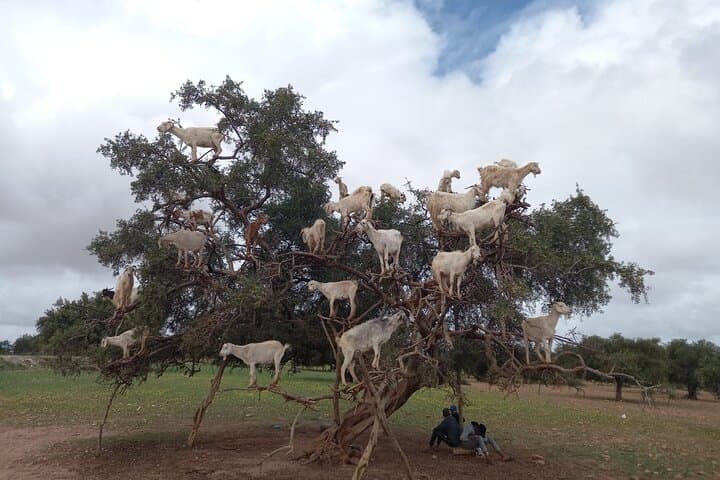
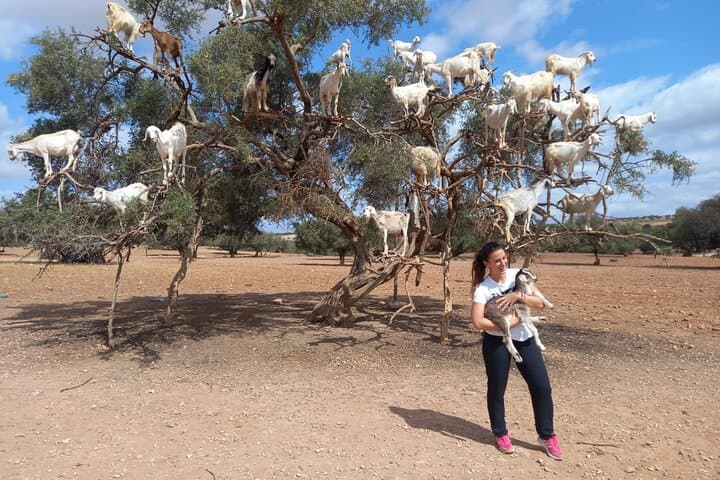
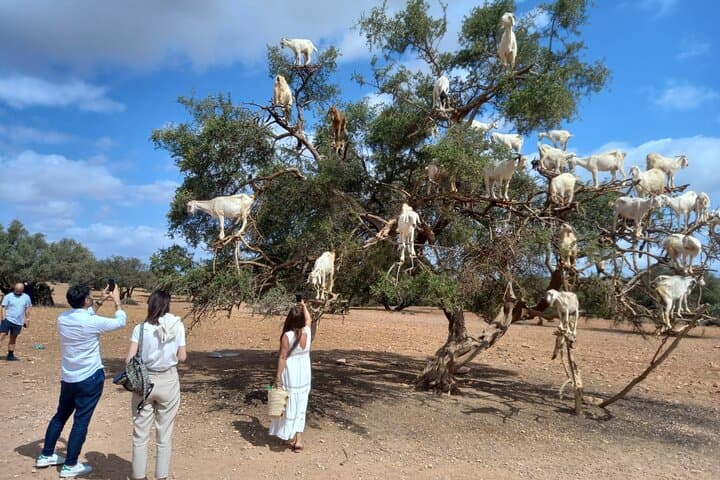
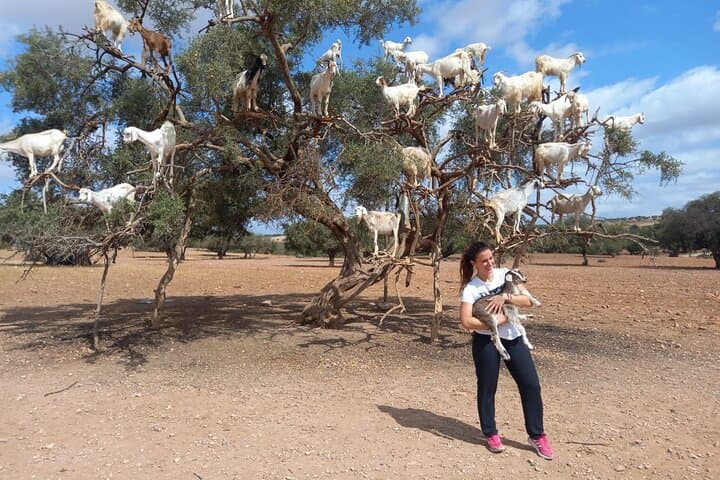
Essaouira’s medina is a living record of Portuguese and Moroccan planning — angled walls, broad avenues and a fishing port where daily catches are traded beside cedar-wood shops. The coastline here is geologically young sands deposited by Atlantic currents; the wide beach invites kite-surfers in high season and calm swims on milder days. The argan cooperatives outside town showcase a local industry: women’s cooperatives press kernels into culinary and cosmetic oils, a craft rooted in centuries of semi-arid agroforestry.
Practical notes: the excursion is typically a 2.5-hour drive each way and runs 7–9 hours total, with about 1–3 miles of walking on cobbles and sand—comfortable shoes and sun protection matter. Expect guided stops at an argan cooperative, the Skala de la Kasbah, the medina and the port, plus free time for a seaside lunch. Bring small bills for markets, a refillable water bottle, and a windproof layer; the Atlantic wind is constant. For travelers seeking a brisk cultural day away from Marrakech’s heat, Essaouira delivers cool air, tangible history and an accessible coastal pace.
easy.
7–9 hours.
Suitable for most fitness levels; requires short walks on uneven cobbles and sand.
The trip typically takes about 2.5 hours each way in an air-conditioned vehicle, depending on traffic and stops.
Yes — the beach is accessible and generally safe for swimming, but conditions vary with season and wind; check locally before entering the water.
Yes — Moroccan dirhams are preferred for markets, cafés and tipping; ATMs are available in town but bring small bills for stalls.
Most tours visit established women’s cooperatives where demonstrations and product sales support local livelihoods; ask about production methods and prices.
Essaouira’s current layout dates to the late 18th century and reflects European military engineering blended with Moroccan urban design, built to facilitate trade and coastal defense.
Argan ecosystems are protected by local cooperatives and national programs; visitors should avoid taking wood or shells and support certified ethical argan producers.
Pro Voyage Morocco operates guided outdoor trips and adventures with an emphasis on safety, stewardship, and memorable experiences.
A salt-skinned breeze meets the minibus as it rolls west from Marrakech, and the road stretches like a promise toward the Atlantic. Arriving in Essaouira feels immediate: wind-driven waves set the rhythm, gulls inspect the harbor, and the town’s white-and-blue houses sit low against the plain. Walks along the Skala’s ramparts place you beside rows of 18th-century cannons staring into the sea; the ocean seems to dare you to look beyond the horizon.
A salt-skinned breeze meets the minibus as it rolls west from Marrakech, and the road stretches like a promise toward the Atlantic. Arriving in Essaouira feels immediate: wind-driven waves set the rhythm, gulls inspect the harbor, and the town’s white-and-blue houses sit low against the plain. Walks along the Skala’s ramparts place you beside rows of 18th-century cannons staring into the sea; the ocean seems to dare you to look beyond the horizon.
Essaouira’s medina is a living record of Portuguese and Moroccan planning — angled walls, broad avenues and a fishing port where daily catches are traded beside cedar-wood shops. The coastline here is geologically young sands deposited by Atlantic currents; the wide beach invites kite-surfers in high season and calm swims on milder days. The argan cooperatives outside town showcase a local industry: women’s cooperatives press kernels into culinary and cosmetic oils, a craft rooted in centuries of semi-arid agroforestry.
Practical notes: the excursion is typically a 2.5-hour drive each way and runs 7–9 hours total, with about 1–3 miles of walking on cobbles and sand—comfortable shoes and sun protection matter. Expect guided stops at an argan cooperative, the Skala de la Kasbah, the medina and the port, plus free time for a seaside lunch. Bring small bills for markets, a refillable water bottle, and a windproof layer; the Atlantic wind is constant. For travelers seeking a brisk cultural day away from Marrakech’s heat, Essaouira delivers cool air, tangible history and an accessible coastal pace.