
Coastal Circuit: Cape of Good Hope, Penguins & Ostriches Day Tour
A full-day coastal circuit from Table Mountain to Cape Point that pairs big ocean views with close encounters: African penguins, ostriches and Cape baboons. Practical route notes, fees, and what to pack for wind-swept headlands.
An Adventure In Cape Town.
A full-day coastal circuit from Table Mountain to Cape Point that pairs big ocean views with close encounters: African penguins, ostriches and Cape baboons. Practical route notes, fees, and what to pack for wind-swept headlands.
Read the full experience
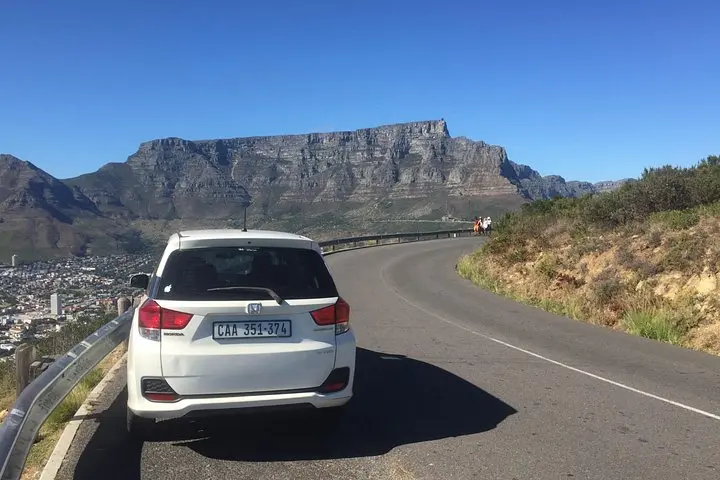
A cold Atlantic wind cuts across the car window as the road bends toward the southwestern edge of Africa. You step out at a lookout where wind and rock argue—waves daring you to stand closer, kelp forests churning below. The day unfolds as a stitched route: morning coffee in Camps Bay, a quick cable-car ascent to Table Mountain’s flat summit, a stroll through a craft market and on to Boulders Beach where African penguins wobble between granite outcrops.
A cold Atlantic wind cuts across the car window as the road bends toward the southwestern edge of Africa. You step out at a lookout where wind and rock argue—waves daring you to stand closer, kelp forests churning below. The day unfolds as a stitched route: morning coffee in Camps Bay, a quick cable-car ascent to Table Mountain’s flat summit, a stroll through a craft market and on to Boulders Beach where African penguins wobble between granite outcrops.
Geology here is blunt and old—granite shoulders fused to sandstone cliffs formed by ancient uplift and endless surf. The Cape’s history is equally direct: early sailors named it Cape of Storms before new routes turned it into the Cape of Good Hope, and the region retains traces of maritime trade, colonial settlements, and fishing villages like Simon's Town.
Wildlife is immediate: banded penguins, ostriches and small herds of eland or bontebok at Cape Point, and troops of Cape baboons that patrol the headlands. Local culture centers on coastal communities and seafood kitchens in Kalk Bay and Fish Hoek.
Practical guidance: this is a full-day tour (8–9 hours) with short walks and at least one 45-minute uphill hike to the lighthouse at Cape Point. Card payment is required at several entrances; bring layers for sudden wind, sturdy shoes for gravel and boardwalks, and water. Expect tolls at Chapman’s Peak and variable fees for attractions; plan for limited mobile coverage on certain headlands.
Frequently asked questions
Most entrance fees (Table Mountain cable car, Cape Point, Boulders) are typically not included; check operator details and expect card-only payments.
Walking from Cape Point car park to the lighthouse and back can be a 45–60 minute round trip on uneven terrain and stone steps.
Yes—the boardwalk brings you close without disturbing them; do not attempt to touch or feed the penguins.
Many tours offer pickup from central Cape Town hotels or pre-arranged meeting points; confirm pickup and timing when booking.
About This Experience
James Daniel Boro operates guided outdoor trips and adventures with an emphasis on safety, stewardship, and memorable experiences.
Adventure tips
Recommended gear
- Windproof jacket: Blocks strong Atlantic gusts on exposed headlands.
- Sturdy walking shoes: Provides traction on gravel, boardwalks and uneven trails.
- Reusable water bottle: Stay hydrated—bottled water is often provided but refill options vary.
- Portable power bank: Useful for photos and navigation when mobile signal is weak.
Photos of the experience
Related adventures & guides
Read the full experience
A cold Atlantic wind cuts across the car window as the road bends toward the southwestern edge of Africa. You step out at a lookout where wind and rock argue—waves daring you to stand closer, kelp forests churning below. The day unfolds as a stitched route: morning coffee in Camps Bay, a quick cable-car ascent to Table Mountain’s flat summit, a stroll through a craft market and on to Boulders Beach where African penguins wobble between granite outcrops.
A cold Atlantic wind cuts across the car window as the road bends toward the southwestern edge of Africa. You step out at a lookout where wind and rock argue—waves daring you to stand closer, kelp forests churning below. The day unfolds as a stitched route: morning coffee in Camps Bay, a quick cable-car ascent to Table Mountain’s flat summit, a stroll through a craft market and on to Boulders Beach where African penguins wobble between granite outcrops.
Geology here is blunt and old—granite shoulders fused to sandstone cliffs formed by ancient uplift and endless surf. The Cape’s history is equally direct: early sailors named it Cape of Storms before new routes turned it into the Cape of Good Hope, and the region retains traces of maritime trade, colonial settlements, and fishing villages like Simon's Town.
Wildlife is immediate: banded penguins, ostriches and small herds of eland or bontebok at Cape Point, and troops of Cape baboons that patrol the headlands. Local culture centers on coastal communities and seafood kitchens in Kalk Bay and Fish Hoek.
Practical guidance: this is a full-day tour (8–9 hours) with short walks and at least one 45-minute uphill hike to the lighthouse at Cape Point. Card payment is required at several entrances; bring layers for sudden wind, sturdy shoes for gravel and boardwalks, and water. Expect tolls at Chapman’s Peak and variable fees for attractions; plan for limited mobile coverage on certain headlands.
Make a day of it nearby.
Verified experiences and guided adventures in the surrounding area.