THE ADVENTURE COLLECTIVE® · Independent discovery and booking for outdoor travel

A private full-day drive from Marrakech to Essaouira pairs coastal scenery with UNESCO-listed medina streets, fresh seafood, and seaside fortifications. This guide outlines what to expect—timing, terrain, local culture, and practical tips to get the most from the day.
A private full-day drive from Marrakech to Essaouira pairs coastal scenery with UNESCO-listed medina streets, fresh seafood, and seaside fortifications. This guide outlines what to expect—timing, terrain, local culture, and practical tips to get the most from the day.
Morning light thins across the High Atlas foothills as a private vehicle leaves Marrakech, the city’s ochre walls shrinking behind you and the Atlantic surf growing louder in the air. By late morning the road opens to wind-swept plains and groves of argan trees; Essaouira appears as a low, white-washed town rimmed by ramparts and fishing boats bobbing in the harbor.
Verified experiences and guided adventures in the surrounding area.
Operated by Terra Nomadic Travels · Essaouira, Marrakesh-Safi
Morning light thins across the High Atlas foothills as a private vehicle leaves Marrakech, the city’s ochre walls shrinking behind you and the Atlantic surf growing louder in the air. By late morning the road opens to wind-swept plains and groves of argan trees; Essaouira appears as a low, white-washed town rimmed by ramparts and fishing boats bobbing in the harbor.
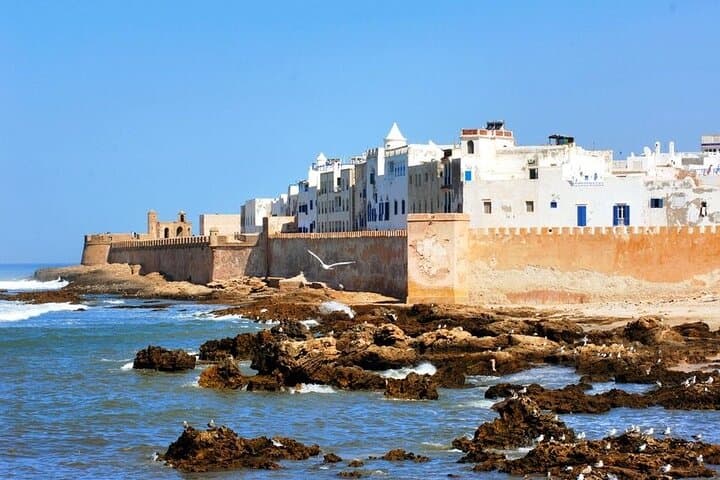
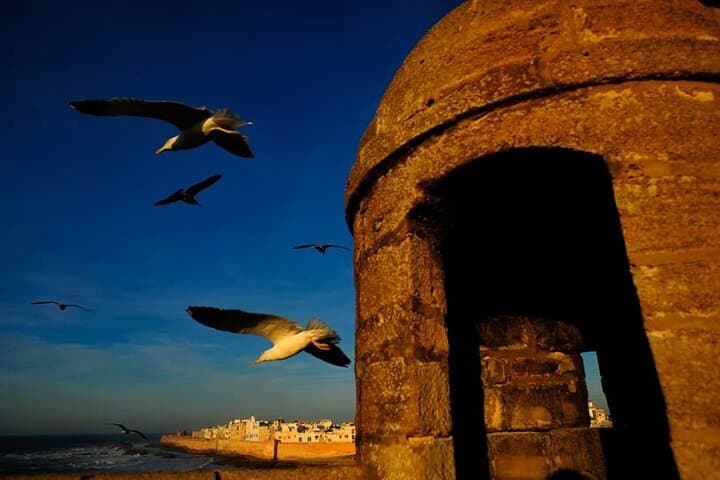
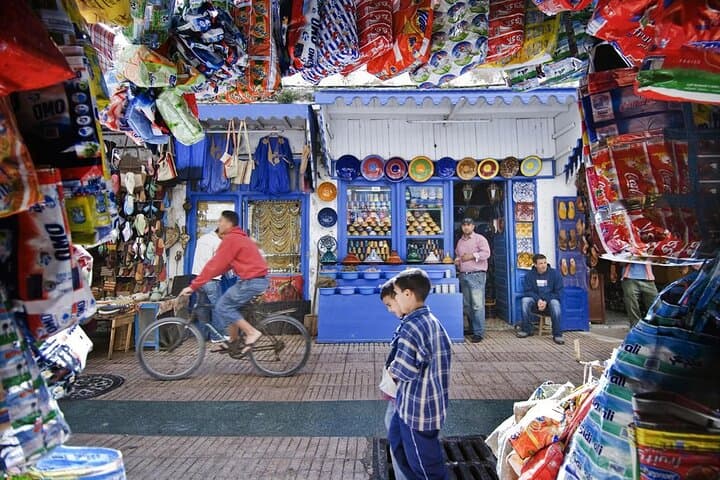
Essaouira’s medina is a UNESCO-listed grid of narrow alleys, where Portuguese fortifications like the Scala Fortress meet Moroccan craftsmanship: carved cedar doors, brass lamps, and blue-painted shutters. The shoreline tells a different story—geology of coastal sandstone and marine terraces carved by Atlantic storms. For centuries the port linked Morocco to Europe and sub-Saharan trade, and today its culture mixes Gnawa music, artisan workshops, and a working fishing quay where daily hauls arrive still glinting.
Expect a balance of easy walking and time to sit—stroll the ramparts for ocean views, trace scent-filled alleys, then watch fishermen unload colorful boats at the port. Local cuisine centers on fresh seafood grills and tagines; a mid-day lunch at a harbor-side restaurant is the practical highlight.
Practical guidance: depart early from Marrakech to maximize time on-site; wear sturdy walking shoes for cobbled alleys and breezy promenades. Bring sun protection and a light wind layer—the Atlantic can be cool even on bright days. If you want to tailor the day, prioritize the medina and port first, and leave shopping or galleries for the end before the return drive to Marrakech.
easy.
8–10 hours.
Suitable for travelers in average physical shape who can handle several hours of walking and standing; no special fitness required.
The drive typically takes about 2.5 to 3 hours each way depending on traffic and route, with scenic stops potentially adding time.
Some main promenades and parts of the harbor are stroller-accessible, but many medina alleys have stairs and uneven cobbles that limit full wheelchair access.
Yes—most full-day private itineraries include a lunch stop at a local restaurant or fish market where you can enjoy fresh catches of the day.
Yes—a private tour allows flexibility; you can prioritize the medina, the beach, the fishing port, or local art galleries based on preference.
Essaouira grew as a fortified Atlantic port in the 18th century under Sultan Mohammed ben Abdallah and earlier hosted Portuguese fortifications; its layout reflects both military and commercial roles.
Argan tree groves in the surrounding region are managed by local cooperatives; tourists are encouraged to respect local markets and avoid disturbing marine life and shoreline habitats.
Terra Nomadic Travels operates guided outdoor trips and adventures with an emphasis on safety, stewardship, and memorable experiences.
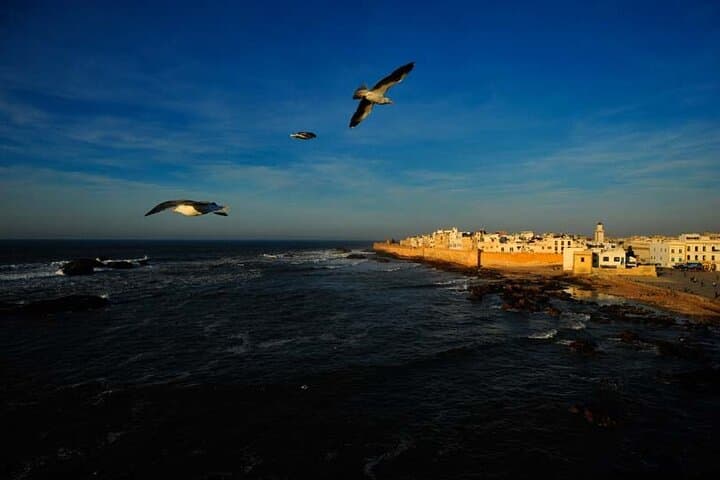
Morning light thins across the High Atlas foothills as a private vehicle leaves Marrakech, the city’s ochre walls shrinking behind you and the Atlantic surf growing louder in the air. By late morning the road opens to wind-swept plains and groves of argan trees; Essaouira appears as a low, white-washed town rimmed by ramparts and fishing boats bobbing in the harbor.
Morning light thins across the High Atlas foothills as a private vehicle leaves Marrakech, the city’s ochre walls shrinking behind you and the Atlantic surf growing louder in the air. By late morning the road opens to wind-swept plains and groves of argan trees; Essaouira appears as a low, white-washed town rimmed by ramparts and fishing boats bobbing in the harbor.
Essaouira’s medina is a UNESCO-listed grid of narrow alleys, where Portuguese fortifications like the Scala Fortress meet Moroccan craftsmanship: carved cedar doors, brass lamps, and blue-painted shutters. The shoreline tells a different story—geology of coastal sandstone and marine terraces carved by Atlantic storms. For centuries the port linked Morocco to Europe and sub-Saharan trade, and today its culture mixes Gnawa music, artisan workshops, and a working fishing quay where daily hauls arrive still glinting.
Expect a balance of easy walking and time to sit—stroll the ramparts for ocean views, trace scent-filled alleys, then watch fishermen unload colorful boats at the port. Local cuisine centers on fresh seafood grills and tagines; a mid-day lunch at a harbor-side restaurant is the practical highlight.
Practical guidance: depart early from Marrakech to maximize time on-site; wear sturdy walking shoes for cobbled alleys and breezy promenades. Bring sun protection and a light wind layer—the Atlantic can be cool even on bright days. If you want to tailor the day, prioritize the medina and port first, and leave shopping or galleries for the end before the return drive to Marrakech.