THE ADVENTURE COLLECTIVE® · Independent discovery and booking for outdoor travel

A compact half‑day that layers seaside history, limestone cliffs and sheltered bays. Visit Sesimbra’s fortresses, Cabo Espichel’s dramatic headland and the clear waters of Portinho da Arrábida.
A compact half‑day that layers seaside history, limestone cliffs and sheltered bays. Visit Sesimbra’s fortresses, Cabo Espichel’s dramatic headland and the clear waters of Portinho da Arrábida.
You step off the coach into a wind that tastes of salt and limestone, the Atlantic pressing at the horizon while gulls wheel above whitewashed roofs. Sesimbra's bay opens like a map of currents—boats rocking in a sheltered crescent, the 17th‑century Fortaleza de Santiago keeping watch on the sand.
Verified experiences and guided adventures in the surrounding area.
Operated by The Guru Guide · Sesimbra, Setúbal District
You step off the coach into a wind that tastes of salt and limestone, the Atlantic pressing at the horizon while gulls wheel above whitewashed roofs. Sesimbra's bay opens like a map of currents—boats rocking in a sheltered crescent, the 17th‑century Fortaleza de Santiago keeping watch on the sand.
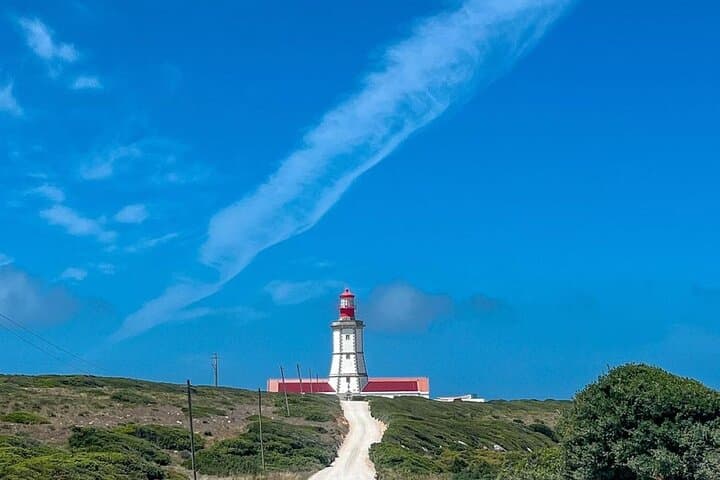
The route threads history into landscape: a medieval castle clinging to a spine of rock, a Mannerist church tiled in blue and white, and then Cabo Espichel, where sheer cliffs and a lone lighthouse face tireless waves. Geologically, the Arrábida range is compressed limestone—its cliffs scarred by calcite and ancient marine fossils—giving way to sheltered coves such as Portinho da Arrábida, where water runs clear enough to read the pebbles beneath.
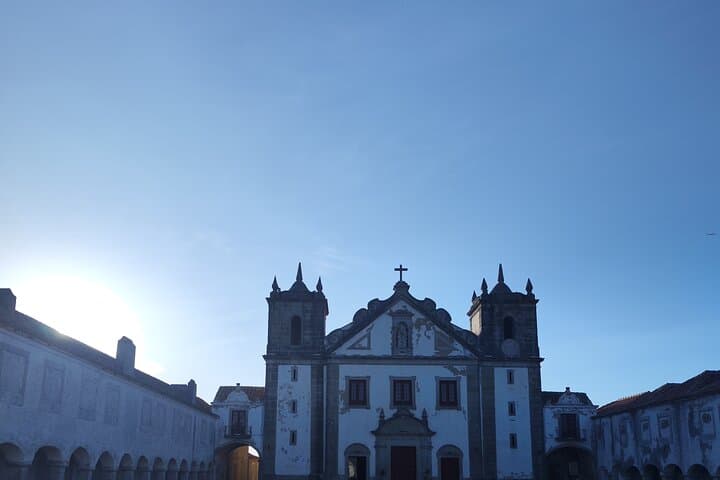
Culturally the area holds layers—fishermen’s traditions in Sesimbra’s mercados, Franciscan solitude in convent ruins, and pilgrims’ routes to the Sanctuary of Nossa Senhora do Cabo. The park’s protected status keeps the vegetation dense and the coastal views dramatic; on a clear day you can pick out the Troia peninsula and the Tagus mouth.
Practically: this half‑day tour is driven with short walks at viewpoints and sites, so expect light walking on uneven pavement and cliffside paths. Wear grippy shoes, bring sun protection and a wind layer—conditions change fast near the headlands. Mornings offer calmer seas and softer light for photos; late afternoons sharpen the cliffs into contrastive silhouettes. Hydration, modest packing, and respectful behavior around fragile limestone and marine reserves make the visit smoother for you and the landscape.
easy.
3 hours.
Light fitness; suitable for travelers comfortable with short walks and steps
Short, mostly easy walks between viewpoints and historic sites; expect some stairs and uneven paving but no long hikes.
This tour typically covers sightseeing stops; admissions to special exhibitions or museums may not be included—check the operator details.
Yes—it's rated easy and suitable for most ages, though cliffside viewpoints require supervision for children.
Morning offers softer light and calmer seas; late afternoon provides dramatic shadows on cliffs but can be windier.
The area bears layers from medieval fortifications and pilgrim pathways to Franciscan retreats; many coastal defenses date to the 17th century.
Arrábida is a protected natural park with marine reserves—stay on trails, avoid disturbing shore vegetation and follow local signage to limit erosion and habitat disruption.
The Guru Guide operates guided outdoor trips and adventures with an emphasis on safety, stewardship, and memorable experiences.
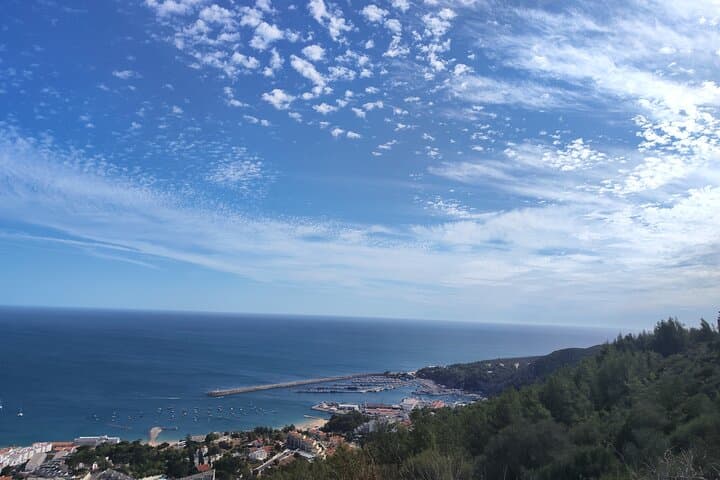
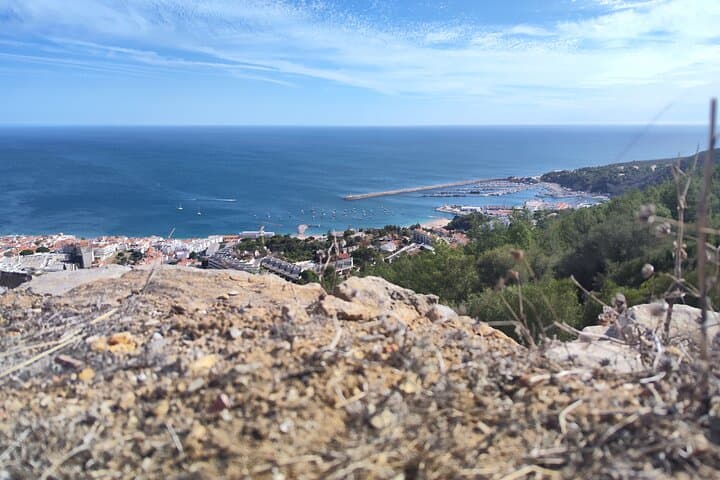
You step off the coach into a wind that tastes of salt and limestone, the Atlantic pressing at the horizon while gulls wheel above whitewashed roofs. Sesimbra's bay opens like a map of currents—boats rocking in a sheltered crescent, the 17th‑century Fortaleza de Santiago keeping watch on the sand.
You step off the coach into a wind that tastes of salt and limestone, the Atlantic pressing at the horizon while gulls wheel above whitewashed roofs. Sesimbra's bay opens like a map of currents—boats rocking in a sheltered crescent, the 17th‑century Fortaleza de Santiago keeping watch on the sand.
The route threads history into landscape: a medieval castle clinging to a spine of rock, a Mannerist church tiled in blue and white, and then Cabo Espichel, where sheer cliffs and a lone lighthouse face tireless waves. Geologically, the Arrábida range is compressed limestone—its cliffs scarred by calcite and ancient marine fossils—giving way to sheltered coves such as Portinho da Arrábida, where water runs clear enough to read the pebbles beneath.
Culturally the area holds layers—fishermen’s traditions in Sesimbra’s mercados, Franciscan solitude in convent ruins, and pilgrims’ routes to the Sanctuary of Nossa Senhora do Cabo. The park’s protected status keeps the vegetation dense and the coastal views dramatic; on a clear day you can pick out the Troia peninsula and the Tagus mouth.
Practically: this half‑day tour is driven with short walks at viewpoints and sites, so expect light walking on uneven pavement and cliffside paths. Wear grippy shoes, bring sun protection and a wind layer—conditions change fast near the headlands. Mornings offer calmer seas and softer light for photos; late afternoons sharpen the cliffs into contrastive silhouettes. Hydration, modest packing, and respectful behavior around fragile limestone and marine reserves make the visit smoother for you and the landscape.